
The Price of the Style: Toxic chemicals used in synthetic braiding hair raise health concerns for Black Iowans
A study found toxic chemicals and unidentified ones in the hair extensions that Black consumers use to create their popular braided hairstyles.
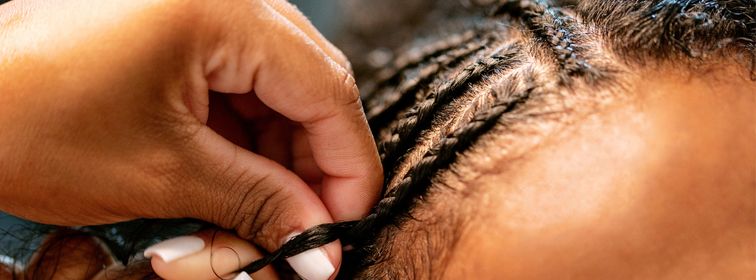
For many Black college students, hair forms an integral part of who they are. Braided styles have long been a part of Black culture.
College is a time of self-discovery, when young adults make important decisions about their careers, relationships, health and personal appearance. Hair can play a significant part in that journey for Black students, serving as a form of cultural expression, confidence and identity. But as students begin their adulthood, new research is raising concerns about the products they’ve long used to care for their hair.
A recent study by researchers at the Silent Spring Institute revealed potentially hazardous chemicals in products commonly used by Black consumers, including synthetic hair extensions. Researchers examined 43 synthetic hair extension products and found that 95% contained chemicals appearing on federal, state or international hazard lists.
They detected about 900 chemical signatures across the products, identifying 169 distinct chemicals, 48 of which are linked to cancer and hormone disruption, such as phthalates, pesticides and flame retardants. Some of the most alarming findings were toxic organotins — compounds linked to skin irritation and hormone disruption — that were found in roughly 4 out of 43 products at concentrations exceeding European regulatory limits.
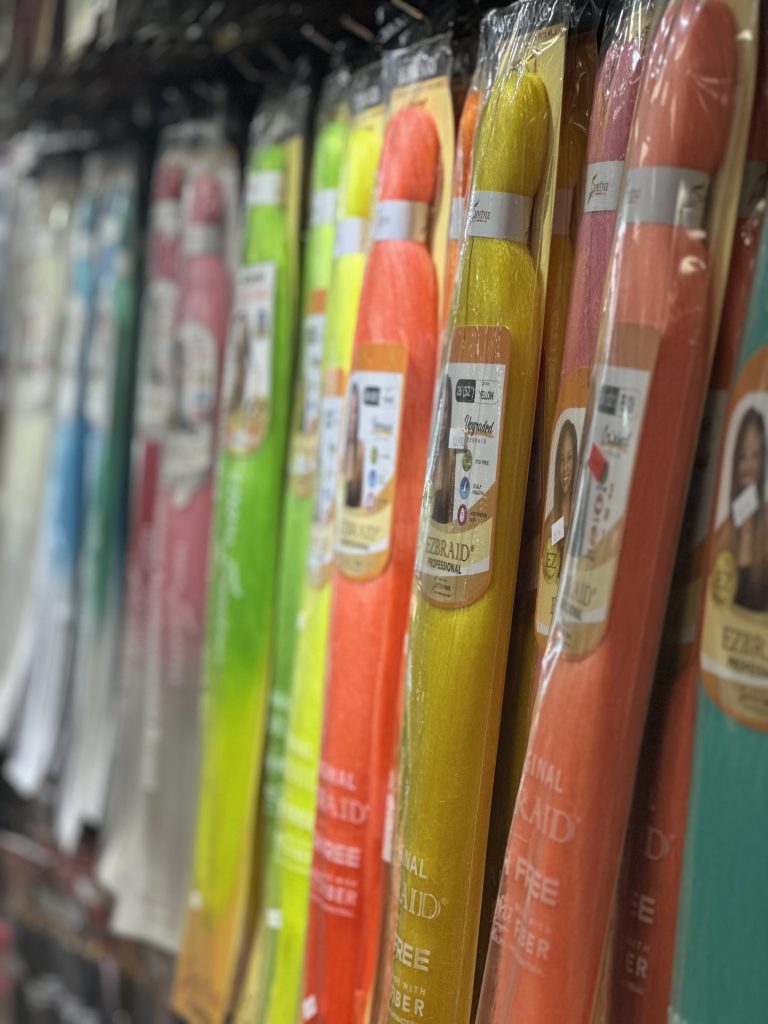
Of all products tested, only two were free of hazardous chemicals and labeled “non-toxic” or “toxic-free” — Spetra, used in EZBRAID, and an unspecified one. The results from the study prompted conversations surrounding long-term exposure, product safety and the lack of oversight in products disproportionately marketed to Black consumers.
These findings build on concerns highlighted in a previous Black Iowa News article, which examined a Consumer Reports investigation that found carcinogens in synthetic braiding hair products. The new research shifts to a wider range of hair extensions and identifies chemicals that appear on federal, state and international hazard lists. Researchers say the findings raise broader questions about long-term exposure and whether products commonly used by Black individuals are receiving enough safety testing.
For students who grew up using these products, this news can be alarming.
“I’ve been wearing extensions since I was 12. I’m 21 now, so that’s almost been 10 years,” Sophia Turner, an Iowa State University student, said. “Being exposed to anything that’s carcinogenic for that long can’t be good for you.”
She connected the research findings to a pattern she had already noticed. “We see really high cancer rates in the Black community. I know cancer rates (here) are higher than average,” she said. “That’s just another thing adding to an already unfortunate statistic.”
Turner’s concern is backed by data. According to a 2025 study, Iowa has one of the highest cancer incidence rates among Black women in the U.S., at 496.7 per 100,000. Black women nationwide have the lowest breast cancer survival rate compared to other groups of women, according to researchers. From the long-term health consequences to the lack of transparency, she voiced her frustration towards the industry’s lack of honesty.
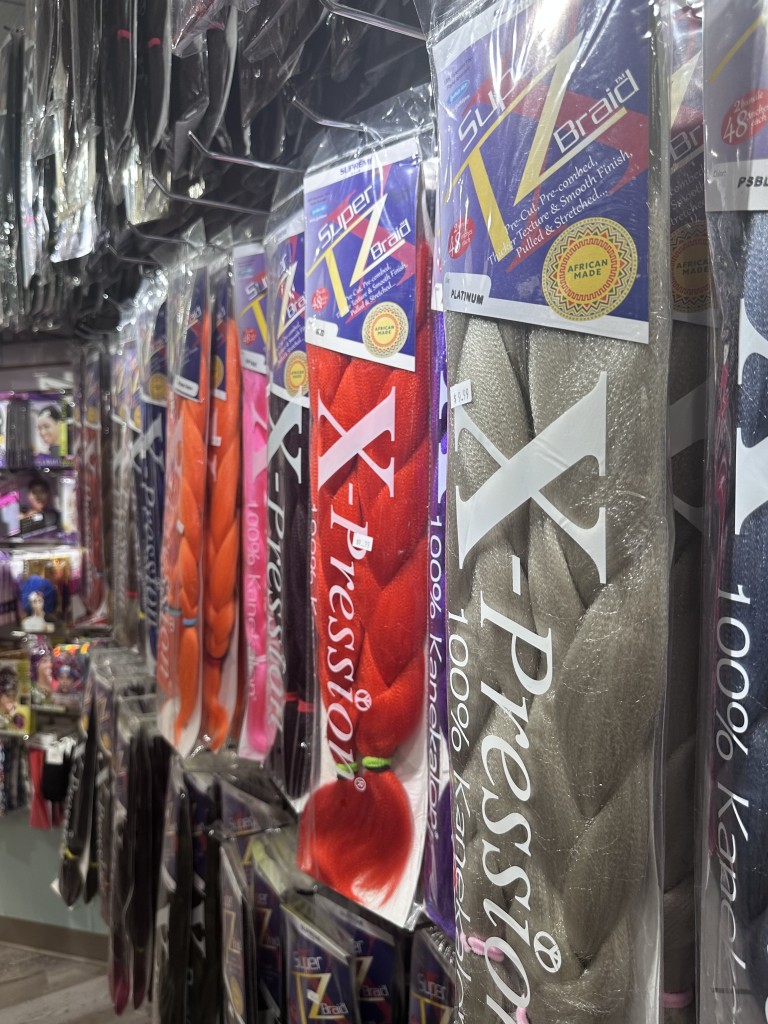
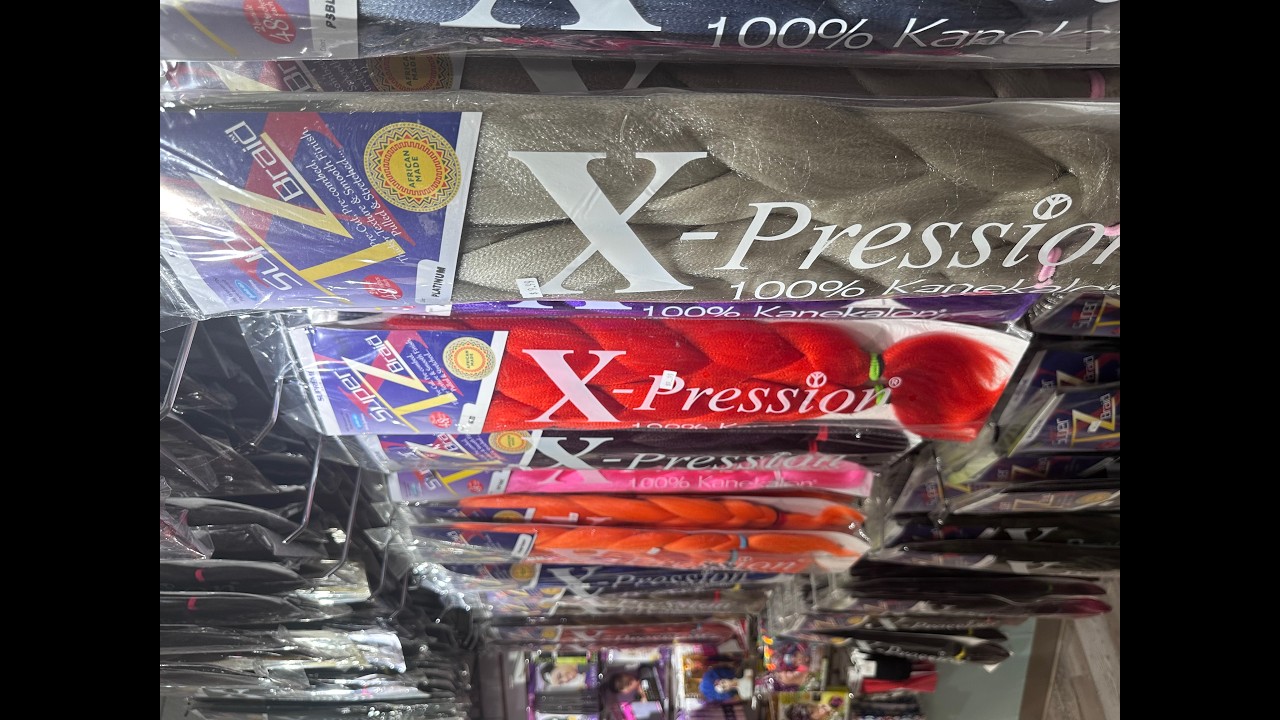
“I think it’s the fact that they’ve been used extensively without any transparency,” she said. “I feel like there’s a lot of testing around shampoos and conditioners. The fact that brands like X-Pression and Freetress have been around for 20 or 30 years and nobody has been regulating their products is really alarming.”
Elissia Franklin, Ph.D., the study’s lead researcher, established the link between the chemicals found in these products and the health disparities Turner described. “The chemicals that we found in particular are associated with outcomes like breast cancer, which we know Black women have the lowest survival rate compared to other groups of women.”
Despite the worrisome findings, Franklin said the ultimate goal is awareness and reduction, not alarm.
“There’s always a new product, and all of them have chemicals. That doesn’t mean they’re all bad,” she said. “We need to think thoroughly about how we can reduce our exposures so we can reduce our risk of these adverse health outcomes.”
These concerns have reached other countries as well. Frank Banascoe, an Iowa State University student originally from Africa, said he identified this problem firsthand.
“I want to use Africa as an example. Most of our ladies and gentlemen use these kinds of chemicals to braid their hair, and it creates irritations and even balding,” Banascoe said. “I think we should learn more about these chemicals and see how we can curb the negativity from it.”
He detailed how this issue could potentially affect future generations, saying that if nothing changes, it will leave a mark on communities to come.
Back on campus, other students expressed doubt that change would come quickly or at all. Iowa’s Black population accounts for about 4% of the state’s 3.2 million residents, and in Ames, home to Iowa State University, Black residents make up 2% of the population.
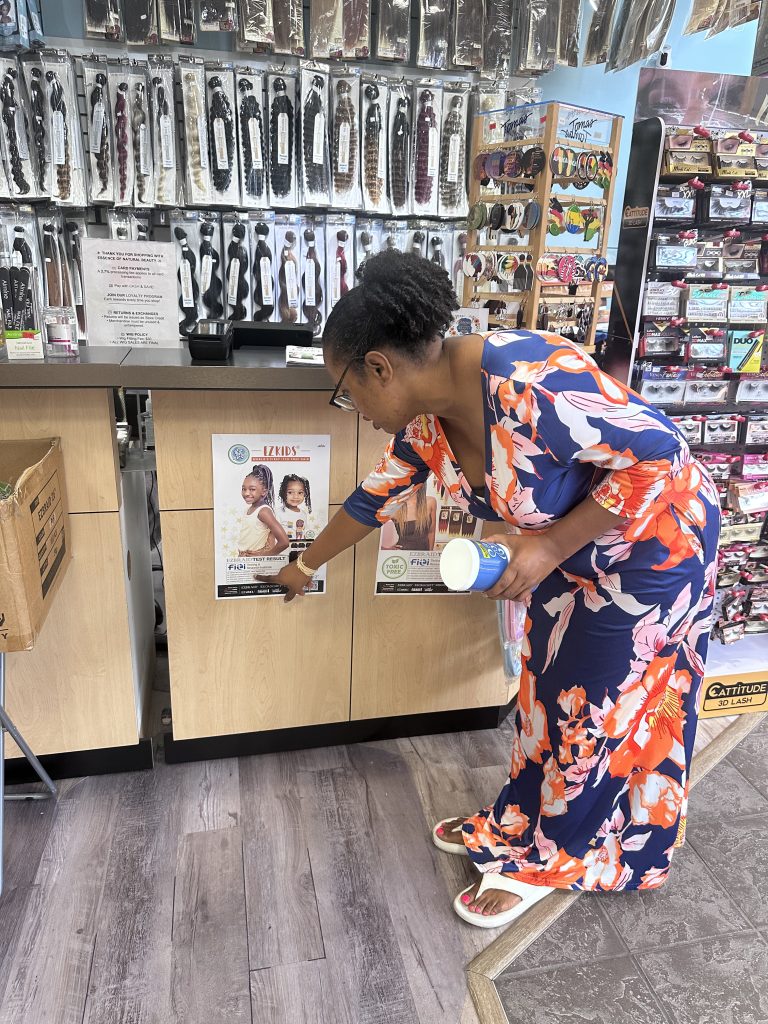
A 2023 report from Iowa State Daily documented how ISU students struggle to find natural hair care products in Ames, with some commenting that the city’s options are limited. Due to the lack of products, some drove to Des Moines, which is roughly 36 miles away. This is why Essence of Natural Beauty opened as the only Black-owned hair care business in Ames.
Dee Sims has owned the Essence of Natural Beauty, a beauty supply store and braiding salon in Ames, for seven years. Are many of her customers particularly worried about the chemicals in braiding hair?
“Honestly, you’d be surprised — they are not,” she said. “But I tell them about it anyway.”
Washing the hair before use reveals that some braiding hair, including popular brands that use Kankelon, is “dirty,” she said. She recommends the EZBRAID brand since it’s listed as non-toxic.
“They’ve conducted their own tests,” she said. “I’ve tested it myself, too.”
She added: “We need to educate the community about the stuff that we’re putting in our hair,” Sims said.
Will increasing awareness about the chemicals in braiding hair spark consumers to change? Shannon Jelks, an anthropology major at ISU, is skeptical.
“I think this will be an ignored issue,” Jelks said. “It would take a long time for protective styles to go out of fashion. Braids are common and practical styles. This is really upsetting to learn. Wow, even the stuff I’m using to do my hair is a carcinogen.”
He went on to mention how systemic racism comes into play. Black communities and natural hair have been marginalized throughout history, he said, making the reform of issues like this one harder to achieve.
Boluwarin Ojo, an ISU student, shares this frustration, asking how this was allowed to happen for so long.
“It’s disheartening to hear that braiding and synthetic hair has been used for so long in Black communities,” Ojo said. “How has this been going on, and how are we just finding out?”
Ojo says she hopes the study will lead to legislative action but is aware that what happens next remains uncertain.
“I would hope that when a new study like this comes out, they make some changes,” she said. “But I guess it’s on us as a community to demand that change too. If we don’t say much, they’re not going to do anything.”
For researchers like Franklin, the path forward starts through transparency. Knowing what is in these products, understanding the risks and making choices that reduce exposure when possible.
And for many young Black students, it starts with the realization that some of the products they have used their entire lives come at a cost unknown to them and their communities.
🎥Watch the Video: “The Price of the Style: Toxic chemicals in synthetic braiding hair raise health concerns for Black Iowans.”


Authors

Related Articles

Bridging the gap between awareness and action: Expanding the impact of Black health and wellness fairs
Fitness expert Coy Jackson shares how exercise and lifestyle changes can help lower blood pressure and improve heart health.
Study reveals stress contributes to Black Americans’ higher risk of mortality
Racism and societal structures worsen stress and inflammation in Black Americans, which could lead to chronic problems, a study found.
Inaugural Black Women’s Conference, promoting healing, awareness, empowerment, to be held in October in Chicago
The nonprofit Courageous Access, founded in Iowa, will host a conference for Black women, held in Chicago. Register today.