
Study reveals stress contributes to Black Americans’ higher risk of mortality
Racism and societal structures worsen stress and inflammation in Black Americans, which could lead to chronic problems, a study found.
A recent study performed by a group of students at Washington University in St. Louis found that there is a rise in mortality risk in Black Americans that could be due to the population’s greater exposure to stressors in comparison to white Americans.
The students reviewed data from the St. Louis Personality and Aging Network Study, following older adults throughout the span of 20 years. They reviewed data such as blood draws, surveys and retrospective reports of childhood experiences to explain the extent of each participant’s stress levels and exposure throughout their lives and how these are related to inflammatory biological markers.

“If stress becomes chronic, that could be incorporated into one’s homeostasis; you may become less able to mount your biological systems to respond to acute stress challenges and you may be less able to return to a bodily state that promotes regeneration and restoration,” senior author Ryan Bodgan, the William R. Stuckenberg Professor in Human Values and Moral Development and director of the university’s BRAIN Lab, told the Journal of Blacks in Higher Education.
According to their analysis, white participants had less stress exposure and lower levels of inflammation in comparison to Black participants. This explained around half of the increase in mortality risk in Black Americans who participated in the study. The students believe that these stressors come from a repeated pattern of racism and the societal structures that have undermined Black Americans throughout history.
“Stress exposure will always be there,” Isaiah Spears, the study’s lead author, told JBHE. “So we need to devote more efforts to understand the mechanisms through which stress contributes to adverse health outcomes so that factors could be targeted to minimize health risks among those exposed.”
Author

Related Articles
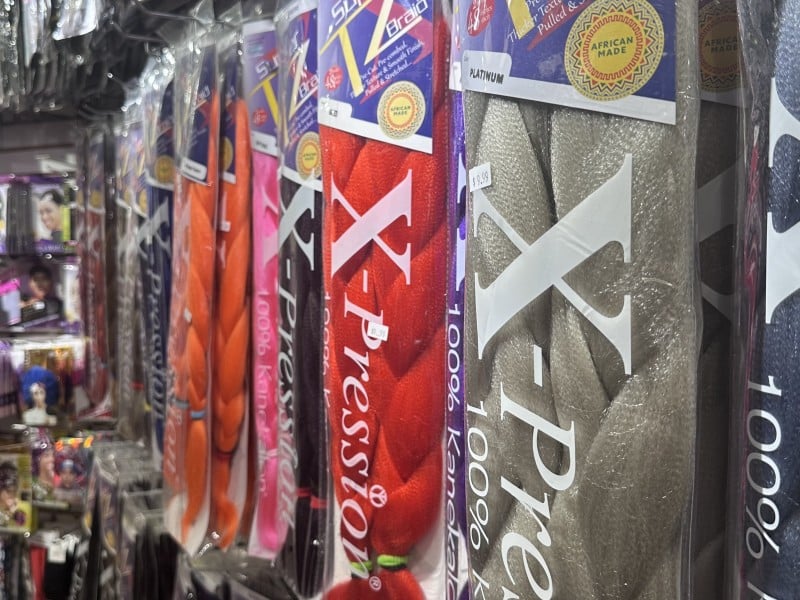
The Price of the Style: Toxic chemicals used in synthetic braiding hair raise health concerns for Black Iowans
A study found toxic chemicals and unidentified ones in the hair extensions that Black consumers use to create their popular braided hairstyles.

Bridging the gap between awareness and action: Expanding the impact of Black health and wellness fairs
Fitness expert Coy Jackson shares how exercise and lifestyle changes can help lower blood pressure and improve heart health.
Inaugural Black Women’s Conference, promoting healing, awareness, empowerment, to be held in October in Chicago
The nonprofit Courageous Access, founded in Iowa, will host a conference for Black women, held in Chicago. Register today.