
Bridging the gap between awareness and action: Expanding the impact of Black health and wellness fairs
Fitness expert Coy Jackson shares how exercise and lifestyle changes can help lower blood pressure and improve heart health.

Coy Jackson is a professional coach, author and adjunct professor at Blackhawk College, with over 10 years of experience helping individuals improve their fitness, performance and long-term health. He is the head coach and owner of Quiet Strength Health & Performance.
Health and wellness fairs have been in full swing in our community, and these are great environments to engage Black people not only about different programs in our area but also to raise awareness of issues that adversely impact us.
These can and have been extremely successful, as Black people are often more misdiagnosed or underdiagnosed than any other racial demographic in America. Community members can often be screened for high blood pressure, cancer and diabetes, to name a few.
The approach used at these wellness fairs often centers around medical interventions. Because of this, we often lose sight of the many at-home strategies to get in front of an issue before it gets worse. The following is just one of three strategies that I would love to see incorporated at Black health and wellness fairs.
Before going into this topic, it is very important to note that this is informational and not medical guidance. improved cardiovascular fitness reduces the demand on the heart and blood vessels, which contributes to lower blood pressure. Practice simple changes like walking, running and some form of exercise (resistance training is great here). Aim for 150 minutes of moderate-intensity physical activity per week.
Much of the conversation is currently centered around the medical treatment for stabilizing high blood pressure. This conversation is critical, and many people need this standard information. However, by framing the conversation around fitness and other lifestyle behaviors, we help those with high blood pressure, as well as empower others in our community to take steps to reduce their risk before it develops.
Related Articles
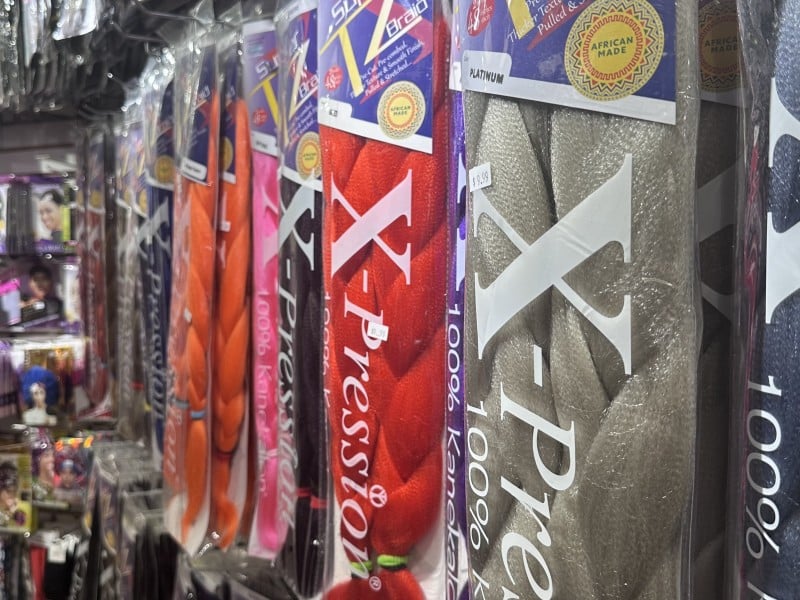
The Price of the Style: Toxic chemicals used in synthetic braiding hair raise health concerns for Black Iowans
A study found toxic chemicals and unidentified ones in the hair extensions that Black consumers use to create their popular braided hairstyles.
Study reveals stress contributes to Black Americans’ higher risk of mortality
Racism and societal structures worsen stress and inflammation in Black Americans, which could lead to chronic problems, a study found.
Inaugural Black Women’s Conference, promoting healing, awareness, empowerment, to be held in October in Chicago
The nonprofit Courageous Access, founded in Iowa, will host a conference for Black women, held in Chicago. Register today.