
Use food labels to make better choices
How often do you use food labels? Not very often? Why you might want to reconsider.
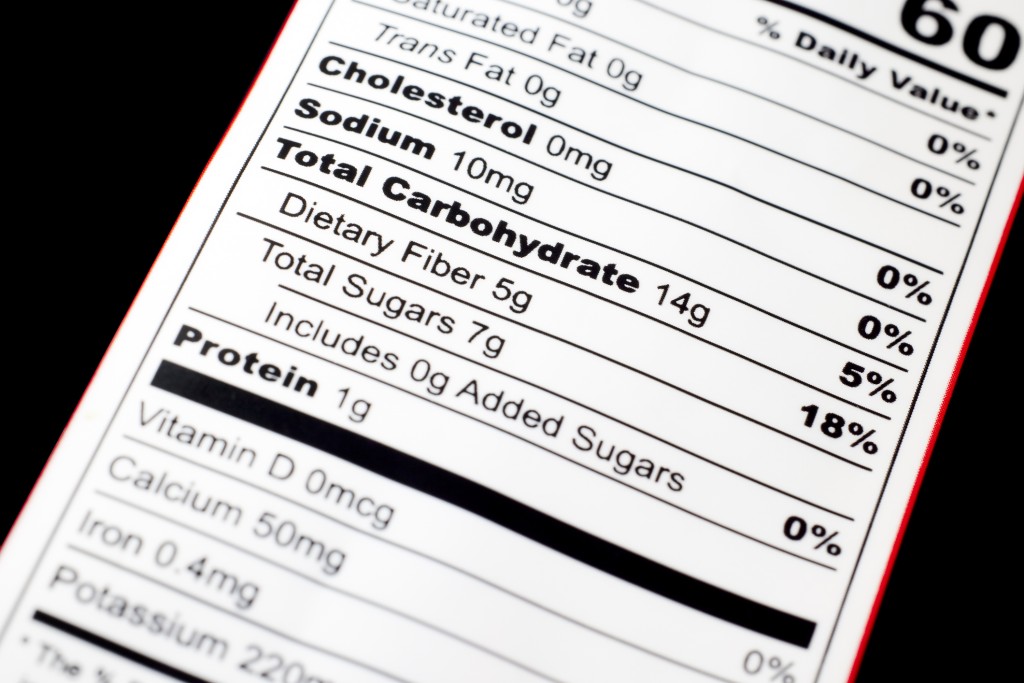
Protein has become one of the hottest subjects in nutrition, and nothing highlights that better than Protein Pop-Tarts! Suddenly, every food manufacturer has created a ‘high protein’ version of their product. The question is no longer whether protein is important, but rather products labeled as ‘high protein’ actually deserve that distinction.
Firstly, protein is important to our diet, and represents one of the three major macronutrients (protein, carbohydrates, and fats). All three provide energy, but protein is a building block for muscle tissue, hormones, the immune system and countless other processes in the body. Protein consumption supports a stronger body, which is the key to recovery, longevity, and healthy aging.
Strength training and weight management have grown in similar popularity, with both increasing the conversation of higher protein diets. When working with clients, we address sleep, nutrition, and exercise, understanding that all three are necessary to see improvements. Strength training improves the fitness of a person, particularly their lean muscle mass (LMM). Researchers recently have recognized lean muscle mass and its preservation as a predictor of health aging and longevity. High-protein sources can improve the rate of recovery of muscle (as well as overall growth), leading to the ability to train harder or more frequently. This, along with sleep, is an important relationship for people to learn early on
Food manufacturers have picked up on both the trend and have invested money in the creation of products for this consumer. These products make it easy for busy consumers looking for convenient ways to increase their protein intake. If you look in grocery aisles, you will see protein chips, protein cereal, protein pancakes, and any other number of products. These achieve the purpose of attracting the protein-centric person and the person who can justify their decision to purchase as better than eating something ‘unhealthy’. Big win!
However, here are some very important things you should know to make the best choices for your food sources. For starters, many products now proudly project the word ‘protein’ on the front of the packaging, but what does that really mean? The FDA regulates nutrient content claims, and a product can be deemed a ‘good source of protein’ if it contains 10-19% of the Daily Value, which is typically 5-10 grams of protein per serving. A maple bar, while delicious, would never be culturally considered a good source of protein despite having on average 6 grams of protein per serving. This is enough to qualify for the FDA claim but falls short of what people need in a meal. We coach our clients that, depending on goals, a meal should contain between 25-45 grams of protein. By comparison, the maple bar gives only a fraction of this amount while contributing a significant number of calories. Additionally, prioritize most of the shopping on the outer section of your grocery store, as this represents the perishable goods and typically better food options (although will require more preparation). Next, we need to learn how to read a nutrition label, determine serving sizes and identify protein content. When choosing primary protein sources, look for items that carry at least 20 grams per serving. Lastly, identify the number of calories per serving. You will want to aim for grams of protein for every 100 calories. This is a good way to ensure you get a solid amount of protein in the item and close in on your protein target without excessive calories getting in the way.
Protein rightfully deserves attention, but don’t let marketing prevent you from becoming better informed. Understanding the nutrition label will always be more valuable than simply scanning the front of the packaging for information. Once you understand serving sizes, calories, and protein content, you can make a better choice between a chicken breast and a protein Pop-Tart.
Author

Related Articles
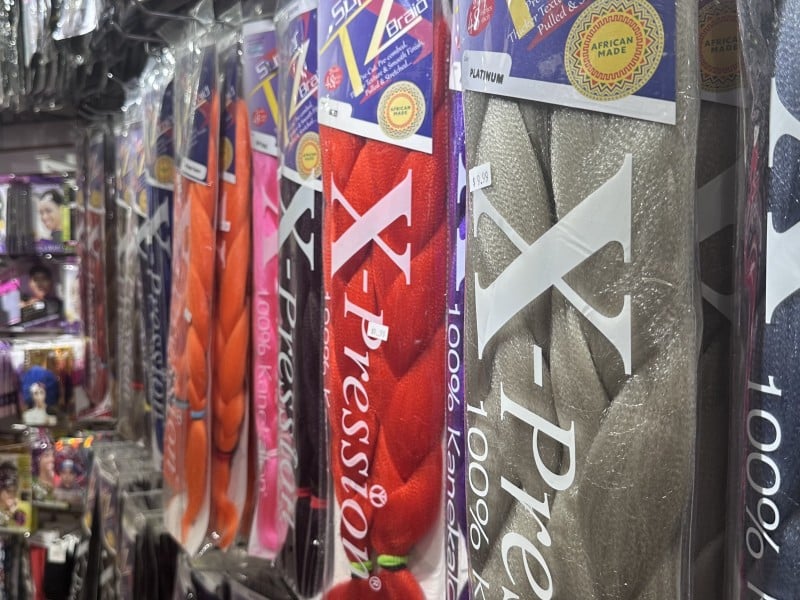
The Price of the Style: Toxic chemicals used in synthetic braiding hair raise health concerns for Black Iowans
A study found toxic chemicals and unidentified ones in the hair extensions that Black consumers use to create their popular braided hairstyles.

Bridging the gap between awareness and action: Expanding the impact of Black health and wellness fairs
Fitness expert Coy Jackson shares how exercise and lifestyle changes can help lower blood pressure and improve heart health.

Study reveals stress contributes to Black Americans’ higher risk of mortality
Racism and societal structures worsen stress and inflammation in Black Americans, which could lead to chronic problems, a study found.