
The Sharpest Pen: Truth, Courage & Ida B. Wells-Barnett
Opinion: Ida B. Wells-Barnett’s pursuit of the truth changed the craft of journalism, said writer Shade Burgs.
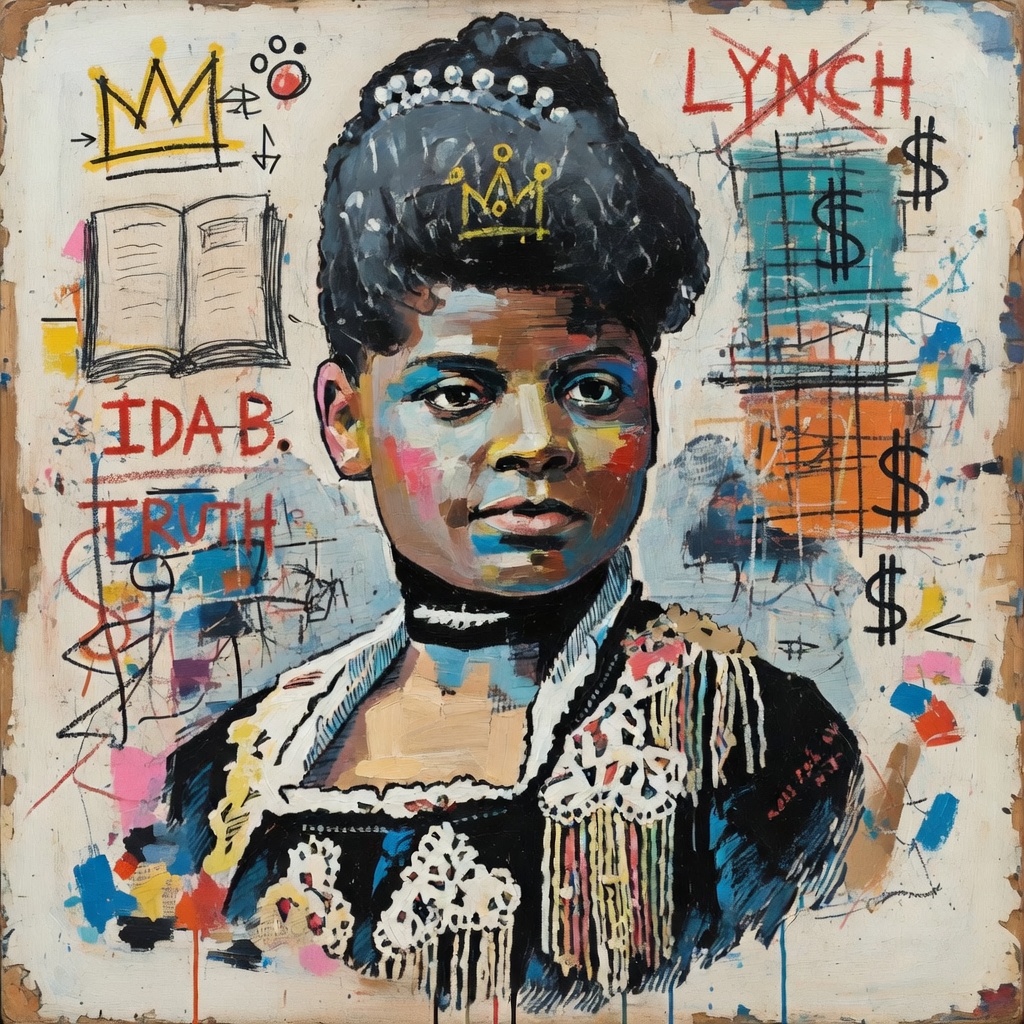
I never knew I was any good at writing. I mean, outside of essays I wrote in school, and the required minimum one could do to get a passing grade, I never saw myself as a future columnist for anything printed. In short, I don’t have a degree in journalism or history or anything because College and I were not friends. College wanted me to have a sense of personal responsibility at a time when I was perfecting new and exciting levels of irresponsible behavior that would set a standard for generations to come. I know there are plenty of writers without journalism degrees, but somehow I never put myself in that same category. Then Dana read some of my Facebook posts. Yes, this whole thing started because I was “draggin they a**” in the comments.
And when my mother, Audrey Burgs, the former night editor of the Des Moines Register, an articulate, well-educated, well-read, accomplished journalist whose critiques were shaped by the professional standards of a major newspaper in our state, and Dana’s friend and colleague, got involved, here I am writing about a legend I wanted to know more about: Ida B. Wells-Barnett.
As it turns out, there may not be a better person for a new writer to learn from.
Ida B. Wells-Barnett spent her life proving that whoever controls the narrative can make just about anything sound reasonable. Long before investigative journalism became the respectable profession it is today, Wells armed herself with evidence, interviews, and meticulous research. She methodically dismantled all the lies powerful people wanted everyone to swallow. Her reward was not fame or fortune, but death threats, a newspaper office reduced to ashes by an angry mob, and exile from the city she called home.
Born into slavery in Mississippi in 1862, Ida B. Wells-Barnett had impeccable historical timing. She arrived just months before the Emancipation Proclamation began changing the legal landscape of the country she would spend the rest of her life challenging. At the age of 16, both her parents died in a yellow fever epidemic, so she became the main caregiver for her younger siblings while still a teenager. Most people know Rosa Parks for refusing to give up her seat on a bus in 1955. Fewer realize that in 1884, Wells refused to give up her seat on a train—more than 70 years earlier. She sued the railroad and initially won before the ruling was overturned. That experience convinced her that simply having rights on paper wasn’t enough.
Then came the event that changed everything in her life.
In 1892, three of her close friends, successful Black businessmen in Memphis were lynched after opening a grocery store that competed with a white-owned business. The official story painted them as criminals. Wells investigated and discovered the truth was far more disturbing: many lynchings had little to do with crime and everything to do with economics, racism, and maintaining white supremacy. Instead of accepting the public narrative, she dug into court records, newspaper accounts, and eyewitness testimony. She compiled statistics. She compared stories. She challenged false reporting.
That was revolutionary.
Today, journalists receive awards, fellowships, and other accolades for that kind of reporting. She received death threats for the rest of her life from people who found it easier to sit comfortably with a lie than stand on the uncomfortable truth.
She published her findings, exposing how newspapers often comfortably lied about lynchings of Black men by claiming victims had assaulted white women with little to no evidence. Her reporting infuriated powerful people and enraged white mobs. Her newspaper office in Memphis was destroyed while she was away, and she was effectively driven out of the city under threat of death.
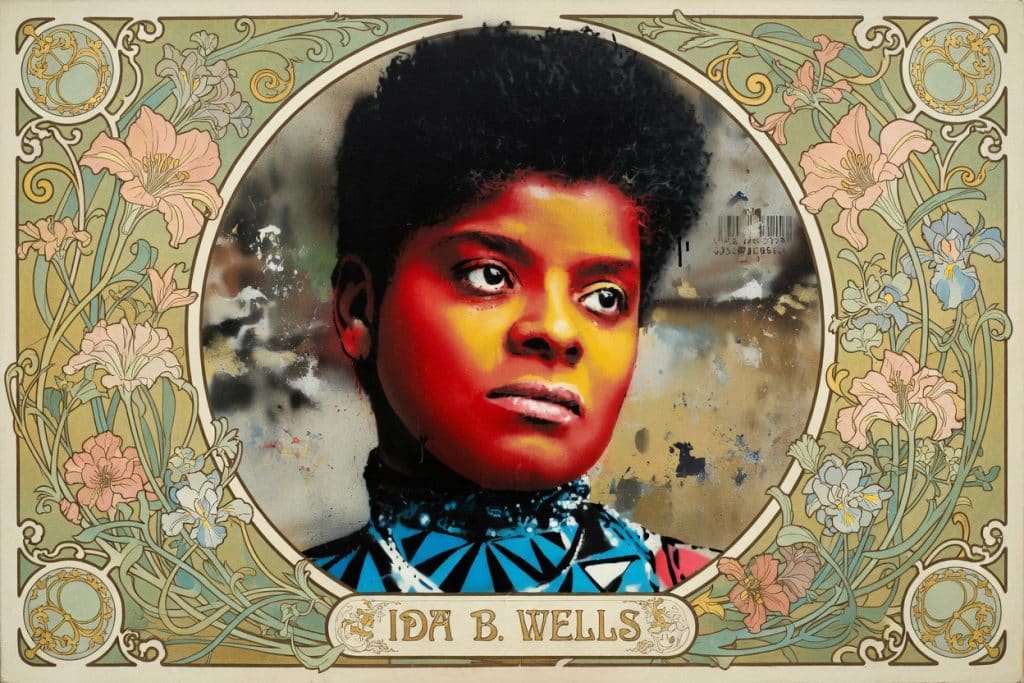
Rather than stop writing, she let their anger sharpen her pen and did the thing she did best: she wrote even more. Every story held a mirror to the face of white America, and many did not like the reflection staring back at them. The rage and fury of powerful people was never her concern. Documenting the facts, pursuing accuracy, and telling the truth was.
She traveled across the United States and even to Britain, speaking about lynching and forcing people to confront what was happening in America. She also helped found organizations that shaped the civil rights movement. Wells-Barnett was a co-founder of the National Association for the Advancement of Colored People. However, she later disagreed with some of its leadership because she believed they were sometimes too cautious. She was not one to wait for the appropriate time when it came to civil rights, because in her mind, the time was now. Nobody told white folks to wait for anything, so why should we?
What made Wells’s style uniquely remarkable is that she wasn’t simply practicing journalism, she was helping invent investigative journalism. She questioned official narratives, followed evidence instead of rumor, relied on documentation rather than hearsay, and took extraordinary personal risk in pursuit of the truth. Those principles, the individual drive and determination she saw as routine, eventually became the standards by which generations of reporters would measure themselves. I have no doubts modern investigative journalism owes a tremendous debt to Ms. Wells. So here I am, attempting to repay that debt with every word I write.
But that’s not the end of her story. If anything, that’s just her highlight reel. The gifts she gave to Black history were extraordinary, but there’s still so much more to the woman, the wife and mother she was, behind the headlines.
She married Ferdinand L. Barnett, the publisher of The Conservator, Chicago’s first Black newspaper. Iowa’s famed Alexander Clark co-owned and edited the paper before Wells-Barnett began working there, according to historical records.
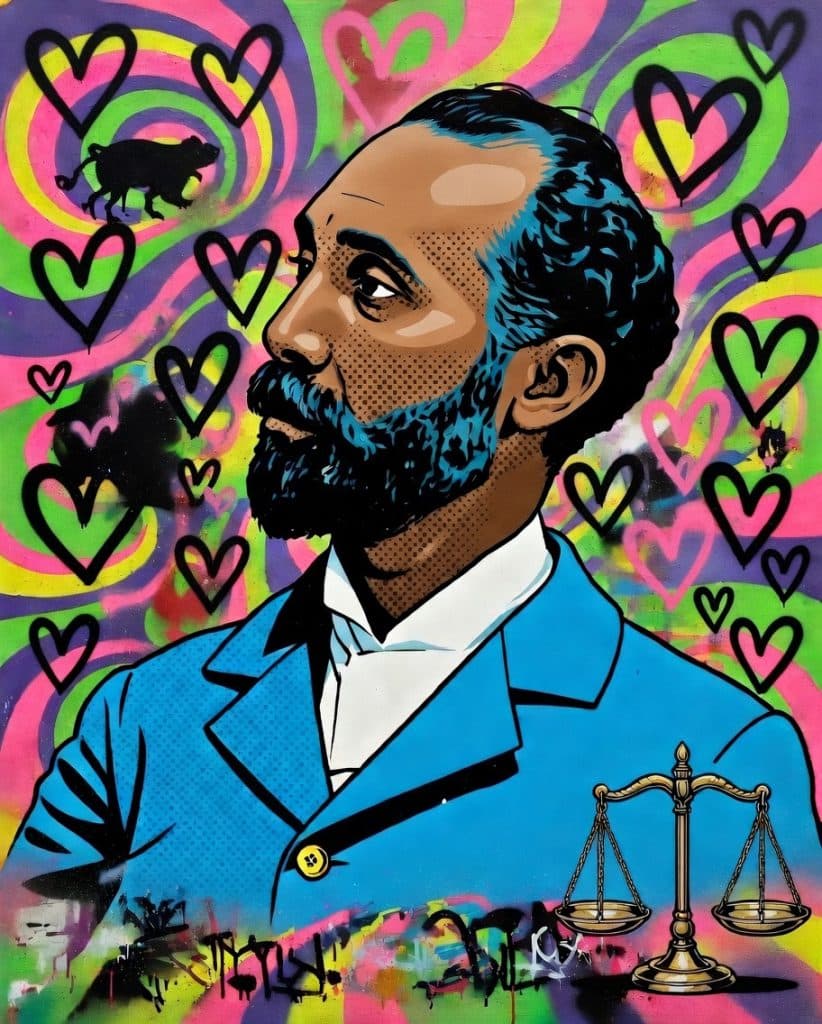
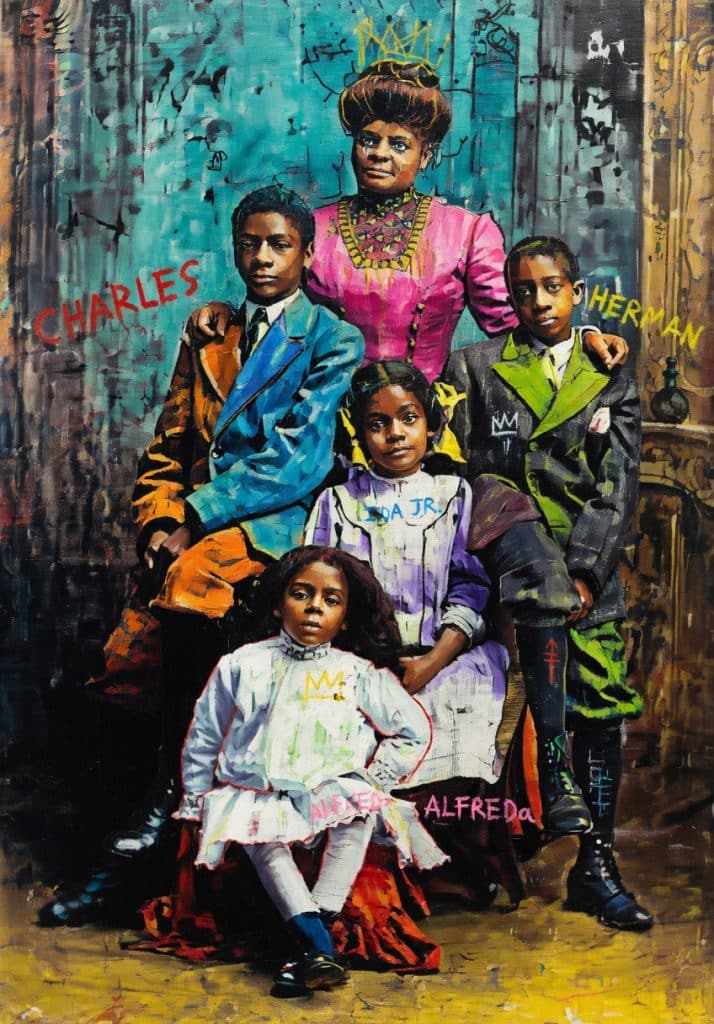
With the support of her family, she took her quest for justice on the road, speaking in churches, community halls and before reform organizations. Then, from 1893 to 1894, her campaign eventually took her across the Atlantic, where she addressed audiences at events hosted by the Aberdeen Press and Journal in Aberdeen, the Edinburgh Ladies’ Emancipation Society in Edinburgh, the Centenary Hall in London, and the Belgrave Lecture Hall in Leeds.
She spoke on subject matter that surgically struck a nerve with every word: the brutality of lynching, the dismantling of racist myths, injustice and public complicity, and the enduring legacy of slavery. Her speeches were riveting, weaving together meticulously detailed research from her published investigations and her own lived experiences. She did more than inform her audiences; she challenged them to look inside themselves and confront uncomfortable truths. As she spoke, with her mild Southern American accent, she gently forced people to lcome to the realization that silence in the face of injustice was itself a form of complicity.
As a founding member of the N.A.A.C.P., Wells-Barnett often found herself at odds with some of its leaders. She wasn’t known for keeping quiet. She continued to write, speak and organize with the same fearless independence that had defined her career from the beginning. She even challenged those who claimed to be allies, publicly questioning Frances Willard’s commitment to racial justice when she believed Willard’s words and actions fell short of the cause she claimed to support.
She trusted her instincts, developed a playbook and executed it without fear of the consequences. That same system — gathering evidence, verifying facts, following the story wherever it led and publishing the truth — is still used by journalists and reporters around the world.
When it comes to naming Civil Rights leaders and Black History sheroes, make sure you put some respect on the name of Ida B. Wells-Barnett.
This story appeared in the October edition of the Black Iowa Newspaper. Pick up a copy!
Author

Related Articles
African American Museum of Iowa honors statewide leaders in annual event
From athletes to state representatives, the History Makers event showcases Black excellence through various perspectives of leadership.
You Need to Thank Thurgood Marshall
OPINION: Find out why Shade Burgs says the nation owes a debt of gratitude to Thurgood Marshall.

Waterloo historical and cultural museum reopens to the public
The African American Historical & Cultural Museum in Waterloo has reopened with new exhibits and regular public hours.