
Waterloo historical and cultural museum reopens to the public
The African American Historical & Cultural Museum in Waterloo has reopened with new exhibits and regular public hours.
Nearly 30 years after its founding, the African American Historical & Cultural Museum has reopened its doors to the public. Though the museum located in Waterloo has not been open to the general public since 2025, this reopening is spurred on by its new board. Organizers were able to make significant improvements in the museum, making it finally ready for the public.
Founded by community leaders Ada Tredwell and Ruth Anderson, the museum was created to ensure that the stories and contributions of African Americans in Iowa would not be forgotten. At a time when few organizations were dedicated to preserving Black history in the state, the founders recognized the urgency of documenting these experiences.
“They believed it was essential to preserve the stories, traditions and contributions of Black Iowans that might otherwise be overlooked,” Ryan Madison, the museum president, said.
Located at 1320 E. 4th St. in Waterloo, the museum is uniquely housed inside a historic railroad boxcar — a direct connection to the Illinois Central Railroad, which brought hundreds of African American families to the area during the Great Migration. Through exhibits and artifacts, the museum tells the story of how those families helped shape the Cedar Valley.
The reopening marks a major milestone. The museum was first opened to the public in 2025, but needed more to become fully functional. The board worked hard to improve the museum by adding water, internet, and phone service, enhancing exhibits, improving the visitor experience and establishing regular public hours for the first time in the museum’s history.
“This milestone was not simply about opening the doors,” Madison said. “It was about fulfilling the vision of those who founded the museum and ensuring that these stories are accessible to everyone.”
The museum operates entirely through volunteer efforts, with no government funding. Every exhibit, program and improvement is made possible through donations, partnerships and community support.
That reliance on volunteers presents both a strength and a challenge. While the museum has expanded its programming and established regular hours, its future depends heavily on increased community involvement.
“The greater question is not whether we can afford to preserve this history, but whether we can afford to lose it,” Madison said.
The reopening also highlights a call to action, particularly within the Black community. While the museum has received strong support from outside groups, the board hopes to see more engagement from the community whose history it represents.
“The reopening is not the finish line,” Madison said. “It is an invitation for the community to help write the museum’s next chapter.”
Visitors can expect to learn about Waterloo’s Black history through stories of the Great Migration, the Black Triangle neighborhood, local businesses, churches and community leaders. The museum emphasizes that history is not made only by well-known figures, but also by everyday people whose contributions shape the community.
The museum is also preparing for its 2nd Annual Juneteenth Car Show and Vendor Fair on June 20. The event will feature classic cars, local vendors, food, music and family-friendly activities, celebrating both culture and community.
Ultimately, the board hopes visitors leave with a deeper understanding of the role African Americans played in shaping not only Waterloo, but the state of Iowa as a whole.
“These stories are not just African American history,” they agreed. “They are part of our shared history.”
Author

Related Articles
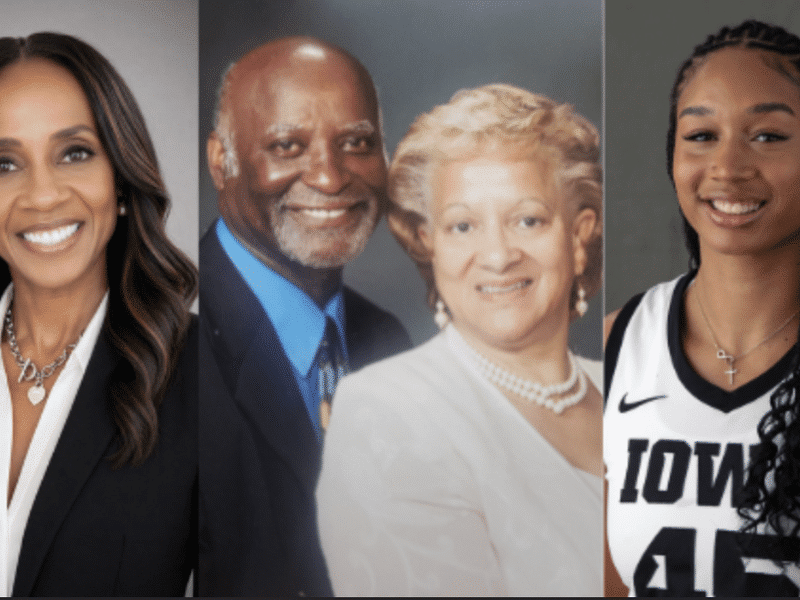
African American Museum of Iowa honors statewide leaders in annual event
From athletes to state representatives, the History Makers event showcases Black excellence through various perspectives of leadership.
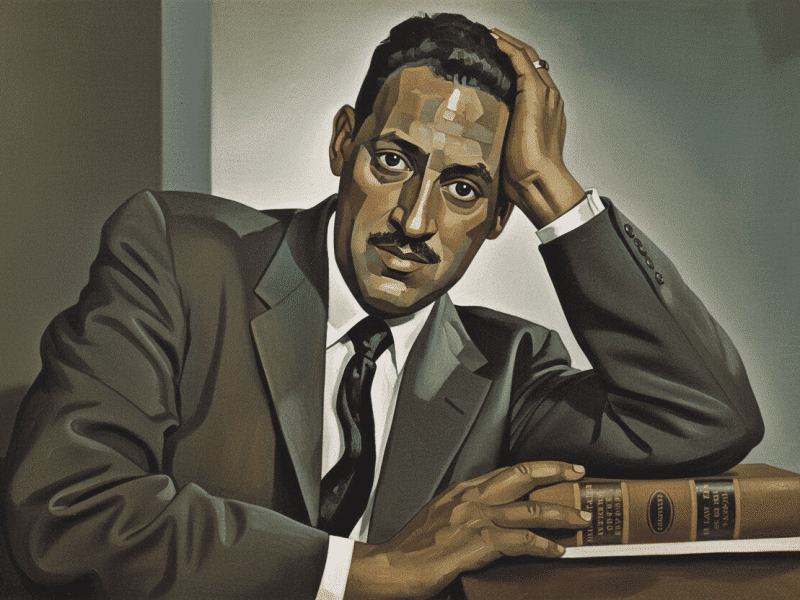
You Need to Thank Thurgood Marshall
OPINION: Find out why Shade Burgs says the nation owes a debt of gratitude to Thurgood Marshall.
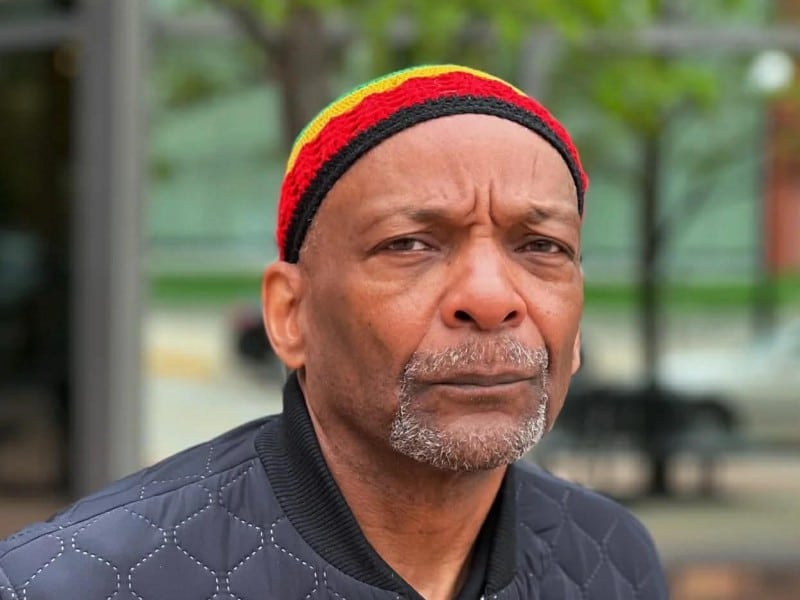
Meet Sioux City’s local Black author and historian: Jim Tillman
Telling Black stories. Author Jim Tillman has deep roots in Sioux City, Iowa, and he has made it his mission to shepherd Black history there.