
The Power of One Vote
Some Americans believe their vote cannot possibly matter. Others are frustrated with the government, disappointed with political leaders, or convinced that elections are decided long before they reach the ballot box.
By Wayne Ford
Wayne Ford, a former Iowa State Representative, is the founder of the Wayne Ford Equity Impact Institute and co-founder and co-chair, with Mary Campos, of the Brown & Black Presidential Forums.
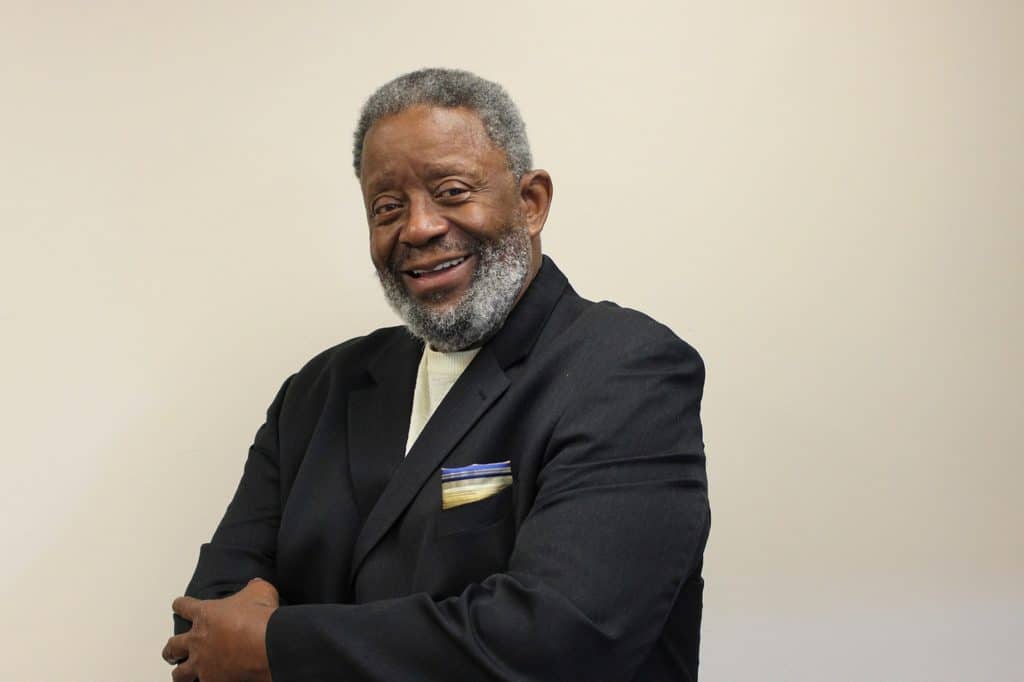
Wayne Ford. Photo by Black Iowa News.
What difference can one vote make?
Some Americans believe their vote cannot possibly matter. Others are frustrated with the government, disappointed with political leaders, or convinced that elections are decided long before they reach the ballot box.
But history tells another story. Throughout this country’s first 250 years, individual votes, narrow decisions and courageous citizens have helped shape the direction of our nation. Some decisions expanded freedoms and opportunity. Others contributed to consequences that have lasted generations.
As a former Iowa state legislator who has spent nearly 50 years involved in civic engagement, I believe Iowans have an opportunity to learn from that history. And some of the most remarkable examples begin right here in Iowa with renowed historical figures.
Iowa, Alexander Clark and the Right to Vote
In 1868, two years before the 15th Amendment to the U.S. Constitution, Iowa voters approved a constitutional amendment removing the word “white” from the state’s voting qualifications. Approximately 56.5 percent of participating voters supported the change, extending voting rights to Black men in Iowa, according to the State Historical Society of Iowa.
Alexander Clark, a Black civil rights advocate from Muscatine, played a pivotal role. He understood that freedom without meaningful political participation left citizenship incomplete. His advocacy also helped advance educational equality in Iowa.
In 1857, Iowa voters had rejected Black male suffrage. Just over a decade later, after a deep public shift, they approved it. State law changed. Iowa had changed.
Many such examples exist.
After nearly 50 years of civic engagement, I have come to understand that democracy is not simply about who wins an election. It is also about whose voices are heard, whose opportunities are protected and how decisions made today shape the lives of generations yet to come.
The power of the vote transcends skin color, religion, party affiliation, or background. America’s history belongs to all of us. We cannot change decisions made in 1868, 1876, 1919, or 1920. But we can learn from them and carry those lessons into America’s next 250 year.
Related Articles
Historic midterm elections, renewed hope and Iowa’s next chapter of civic engagement
Opinion: Former Iowa legislator Wayne Ford reflects on the 2026 Midterms, Black political representation and plans to strengthen civic engagement among Black Iowans through Project V.O.T.E.
Former state Rep. Wayne Ford asks Rob Sand to restore advisory bodies if elected Iowa governor
Gubernatorial candidate Rob Sand, Democrat, held a fire side chat with Black leaders on Oct. 26. The election is Nov. 3.
The Sharpest Pen: Truth, Courage & Ida B. Wells-Barnett
Opinion: Ida B. Wells-Barnett’s pursuit of the truth changed the craft of journalism, said writer Shade Burgs.