
Historic midterm elections, renewed hope and Iowa’s next chapter of civic engagement
Opinion: Former Iowa legislator Wayne Ford reflects on the 2026 Midterms, Black political representation and plans to strengthen civic engagement among Black Iowans through Project V.O.T.E.
As I watched the election results unfold on Nov. 3, I experienced something extraordinary: tremendous excitement, gratitude and renewed hope about the future of American democracy.
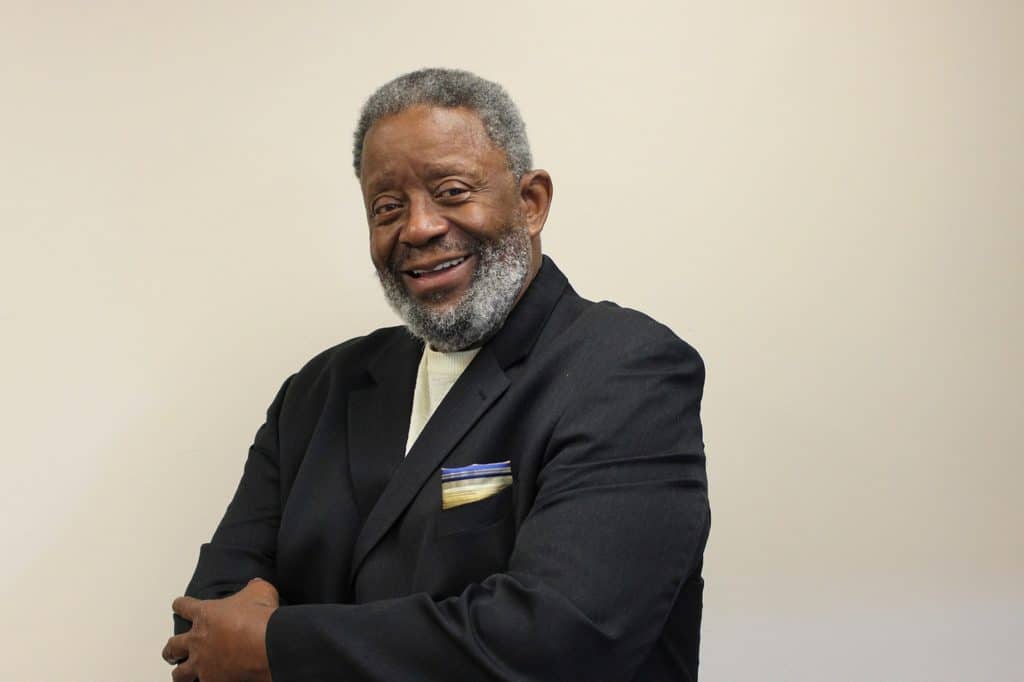
After five decades of working in civic engagement, community development and public policy, including my years serving in the Iowa Legislature, I have come to understand that historic elections are about more than who wins public office. They are about the opportunities those victories create for communities, families and future generations.
That is especially important to me as we consider what these developments could mean for Black Iowans and the next generation of civic leaders in our state.
And the timing could not have been more meaningful.
America is celebrating its 250th anniversary, and voters have given our nation a remarkable moment in history as we begin the next 250 years.
Across America, voters made history.
- Georgia elected Keisha Lance Bottoms, the first Black woman to be elected governor of a U.S. state.
- New Mexico elected Deb Haaland, the first Native American woman elected governor.
- Texas elected Gina Hinojosa, its first Latina governor.
- California elected Xavier Becerra, its first elected Latino governor.
- Florida elected Republican Byron Donalds, its first Black governor.
- Wisconsin elected David Crowley, its first Black governor, and Nevada elected Aaron Ford, its first Black governor.
These victories crossed political parties, geographical boundaries and racial backgrounds.
Together, these elections represent a historic expansion of Black representation in governors’ offices across America, creating the prospect of an unprecedented number of Black governors serving at the same time.
The election also brought the possibility of additional historic milestones in Congress, including Hakeem Jeffries potentially becoming the first Black speaker of the United States House of Representatives and three Black women serving simultaneously in the United States Senate.
For generations, Americans struggled to gain equal access to the ballot box and opportunities for political leadership. These achievements remind us how far our democracy has traveled while recognizing how much work remains.
For Black communities, including those of us who have spent years working to strengthen civic participation in Iowa, these developments carry meaning beyond the historic firsts.
They remind us that representation matters, that participation can change the direction of government and that the work of building a more inclusive democracy must continue long after Election Day.
But something else excites me just as much: the voters themselves.
According to preliminary national estimates reported following the election, approximately 124.3 million Americans participated in this midterm election, compared with approximately 112 million in 2022, according to the University of Florida Election Lab.
Early voting figures reported by the League of Women Voters, citing the Leadership Conference on Civil and Human Rights, indicated that Black early voting increased 35.8%, while Latino early voting increased 46.3% compared with the previous midterm election.
Final nationwide racial and ethnic turnout figures are still being compiled. These early voting increases should not be confused with final overall turnout rates, but they deserve attention as indicators of electoral engagement.
They remind us that participation remains the foundation of democracy.
Having spent five decades involved in civic engagement, community development and public policy, I have learned an important lesson:
Democracy cannot be something we celebrate every two or four years and then put away until the next election.
It must become part of our everyday lives, our schools, neighborhoods, families and institutions.
That belief continues to guide my work with Mary Campos, my longtime partner and co-chair of the Brown & Black Forums of America™, a nonpartisan 501(c)(3) nonprofit organization. Vice News hosted the 2020 forum and won an Emmy Award for graphic Design.
For decades, our presidential forums have brought candidates and communities together, providing opportunities for Black and Latino Americans to question those seeking the nation’s highest office.
Mary and I have always believed our communities deserve a seat at the table, not simply an invitation to watch from the sidelines.
Receiving an Emmy Award was a tremendous honor, but our greatest accomplishment has been helping people recognize that their voices matter.
That experience has reinforced something I believe is particularly important for Iowa: Our communities should not have to wait for a presidential election or a national political milestone to become engaged in decisions that affect their lives.
Civic engagement must be cultivated locally, where people live, work, raise families and build their futures.
And now we are preparing for another exciting chapter, beginning here in Iowa.
One major initiative is Project V.O.T.E. — Voters Opportunity Through Education, a civic engagement program we hope to launch in Iowa in 2027, with the long-term goal of developing a model that can expand throughout America.
For me, bringing this initiative to Iowa is especially meaningful. It represents an opportunity to build on decades of civic engagement work and encourage more people, including young Black Iowans, to see themselves as active participants in shaping public policy and the future of their communities.
We are also exploring a major Civic Engagement Week around the birthday of civil rights icon Martin Luther King Jr. in January 2028.
Although called Civic Engagement Week, activities could extend approximately 10 days within a two-week period, featuring civic education workshops, community conversations and presidential forums.
Our vision is to create opportunities for Americans to learn about public policy, understand the responsibilities of citizenship and engage directly with those seeking public office.
Before the end of 2026, we anticipate announcing additional details, including proposed dates for our 2028 presidential forums and other initiatives.
We want to transform election-year excitement into lasting democratic participation.
Because elections are not the end of democracy. They are the beginning of another period of public responsibility.
Elected officials must govern, citizens must remain informed and institutions must remain accountable.
As I reflect on the Nov. 3 election, I think about those who struggled, sacrificed, organized, marched and gave their lives so future generations could participate in democracy.
Their work helped make these historic moments possible.
But I also think about the young people who will inherit America over the next 50 years, including the young people growing up in Iowa today.
What kind of democracy will we leave them?
Will they understand the importance of voting, civic responsibility and public service? Will they see themselves as people who can influence decisions in their schools, neighborhoods, communities and government?
And will we provide them with the knowledge, opportunities and encouragement to become the next generation of leaders?
Those are questions that must guide our work beyond this election.
America’s first 250 years have included extraordinary accomplishments and profound injustices. Our responsibility is to learn from both and continue building a nation where opportunity and participation are available to everyone.
The Nov. 3 election reminded me that ordinary people still possess the power to shape extraordinary moments in history.
For Iowa, and particularly for Black Iowans, the bottom line is clear: Historic political victories must become more than moments of celebration. They must inspire lasting civic participation, stronger community leadership and greater opportunities for the next generation to help shape our democracy.
Through initiatives such as Project V.O.T.E., we hope to help turn that opportunity into lasting participation, education and community leadership.
Let us celebrate the historic achievements of this election, but let us also prepare for tomorrow.

Related Articles
Former state Rep. Wayne Ford asks Rob Sand to restore advisory bodies if elected Iowa governor
Gubernatorial candidate Rob Sand, Democrat, held a fire side chat with Black leaders on Oct. 26. The election is Nov. 3.
The Sharpest Pen: Truth, Courage & Ida B. Wells-Barnett
Opinion: Ida B. Wells-Barnett’s pursuit of the truth changed the craft of journalism, said writer Shade Burgs.
The Power of One Vote
Some Americans believe their vote cannot possibly matter. Others are frustrated with the government, disappointed with political leaders, or convinced that elections are decided long before they reach the ballot box.