
Ahead of Iowa caucuses, Democratic Black Caucus holds event, discusses economic justice, party concerns
During an economic justice forum, a state senator and realtor shared personal stories about prison/jail’s lingering burdens.
Forty-nine minutes into an economic justice forum, organized by the Iowa Democratic Party Black Caucus, State Rep. Ako Abdul-Samad (D-Des Moines) stood up.
“This conversation isn’t new,” he said. “This conversation is so old it’s pathetic.”
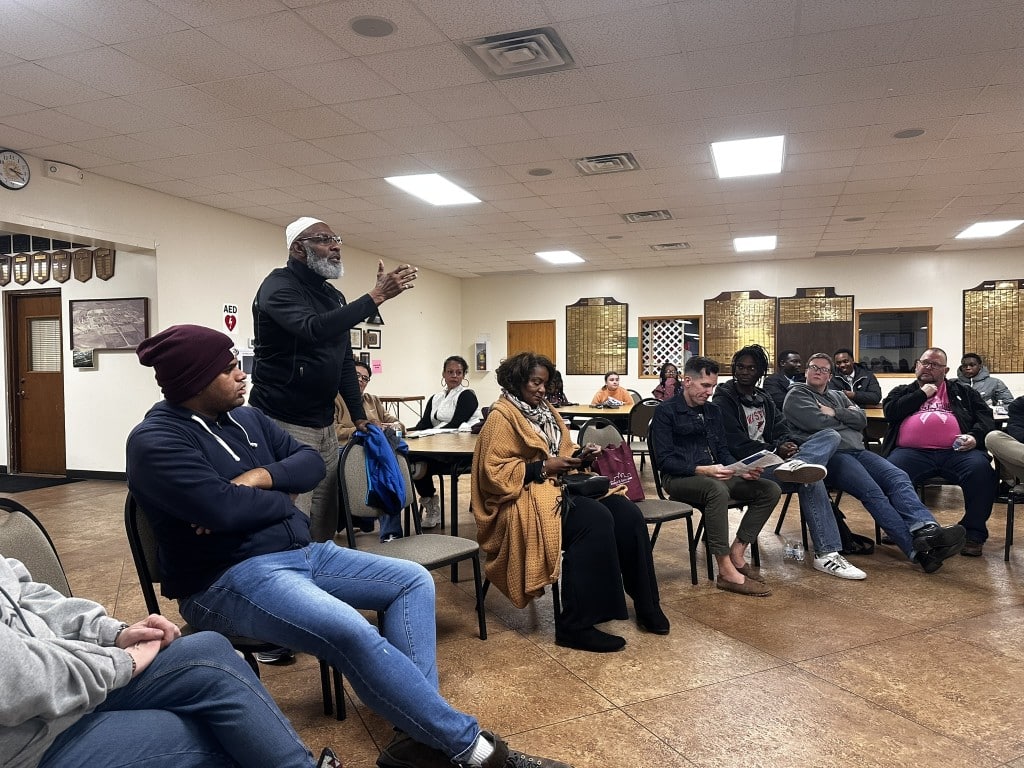
About 25 people attended the Martin Luther King Jr. Economic Justice Event, held on Saturday at UAW Hall 450 on Des Moines’ north side. Realtor Mena Jones served as moderator for the panel, which included Sen. Izaah Knox; Tiara Mays-Sims, vice chair of the Black caucus who is running for Iowa House District 43; Kameron Middlebrooks, Iowa organizer for the REFORM Alliance and Polk County Treasurer Mary Wells.
“For those who are familiar with Dr. King’s Poor People’s campaign, I think one of the things that people face is not only having to deal with racial inequity and trying to deal with social justice, but how do they also deal with economic injustice as wel1,” said Al Womble, the Black caucus chair who organized the event.
Abdul-Samad, who was seated in the audience, said the Democratic Party doesn’t have Black people in leadership roles. He said the party needs a comprehensive plan. He also advocated for the creation of a think tank.
“So until we start having real conversations, we’ll keep turning around and verbally masturbating in meetings like this, and we’ll walk away and everybody will talk about, ‘That was good,’” he said.
Attendees included Iowa Democratic Party Chair Rita Hart; Polk County Democrats Chair Bill Brauch; Melissa Vine, a candidate for Iowa’s 3rd Congressional District and former State Rep. Marti Anderson.
Panel members answered prepared questions and weaved in personal stories, which moved a few audience-goers to tears. Topics included criminal justice reform, voting, excessive jail and prison fees, the state of the Democratic Party, among others.
Hart, who urged participants to attend the 2024 Iowa caucuses on Jan. 15, and use the new online Presidential preference card process, said: “When we stop talking and thinking about the Democratic Party as being without and instead talking about it as if we all belong to it and are part of the change, that’s where we got to be.”
Abdul-Samad said “white folks have to educate white folks’’’ to fix the disparities prevalent in the state.
“So until we start ironing out these disparities, we can talk all we want . . . let’s sing “Kumbaya,” but Black folks still catching hell in a much deeper way than any other race in this country, or in the world today,” he said.
Dava James, of Nevada, who said she has worked with the Iowa Democratic Party since 1985, called for a shift.
“I want the Democratic Party to not only include us, I want them to identify with us, and I want them to act like our problems are their problems,” she said.


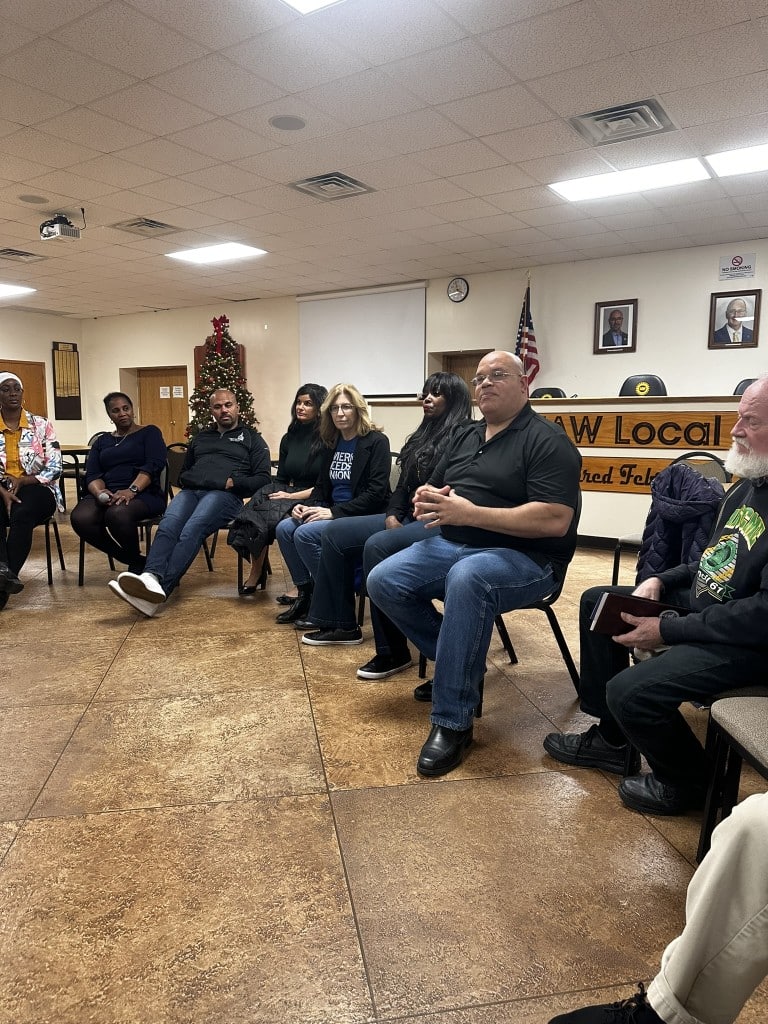
Abdul-Samad said he hears from other “white folks” that Knox, the second Black senator in Iowa history, is considered “safe.” He told Black Iowa News on Sunday that Knox has a seat at the table and is deemed approachable by members of the party and other individuals, which is a “good thing.”
“When white people come to the table and want to help, they’re looking for a safe Black person,” he said, at the panel.
Abdul-Samad said there weren’t any new voices in the room and participants represented the “choir.”
“We have these meetings, but we’re not talking to white folks and telling them what y’all need to do to change the game,” he said. “We can’t do it by ourselves. Brown people can’t do it by themselves. We’re not the ones in control.”
Jones, founder of the Coalition for 1st-Time Black & Brown Homebuyers, said she appreciated Abdul-Samad’s “boldness.”
“Because a lot of times we do have this conversation that we’re scared to say, ‘No, y’all did Black people wrong,’ and now, we’re stuck in a systematic cycle,” she said.
During the nearly two-hour panel, participants stressed the importance of storytelling to help counter false narratives.
Jones asked Mays-Sims what role education and employment opportunities play in achieving economic justice for lower-income people.
Mays-Sims shared details from her personal life. She became pregnant with twins while in college, and her boyfriend fled to New Jersey to avoid trouble, she said. She struggled as a single mother and used child-care assistance and food stamps to survive, she said.
“I started out just in poverty,” she said.
She graduated from Iowa State University when her children, who saw her graduate, turned one-years old. She went on to earn an MBA. Recently married, she is now a contract manager. The mother of a child with autism, Mays-Sims, who serves on the Heartland AEA board, choked up while sharing her story. She said she’s passionate about ensuring Iowans have access to good health care and education.
“My parents didn’t have a lot to give us but they told us that education was the key to getting out and that’s all I knew,” she said.
She said legislators have privileges and don’t have any idea what goes on in regular households.
“We need real people at the table who understand stories like this,” she said.
Lingering jail/prison debt haunt state senator, realtor
Urban Dreams offers an OWI jail diversion program, a full-time mental health counselor, a substance abuse counselor, workforce programs and a food pantry in a new 12,000-square-foot facility, said Knox, the executive director.
Knox said he has personal reasons for working on criminal justice reform. The state senator said he went to prison for 13 months after getting into a fight at age 19, while in college.
“To get out of jail in the state of Iowa and Polk County, they make you sign a form that says you’ll pay back your room and board for staying in jail,” he said. “My bill for 13 months was $27,000.”
He said the debt made it difficult to get a driver’s license and registration and a criminal record affected his ability to get a job — even with a college degree.
Knox, who is now 46 and has degrees from Drake University, said he just paid off the debt last year and had his record expunged.
“So these things just accumulate, accumulate, accumulate and continue to put people in all kinds of issues,” Knox said.
Jones agreed. She said when she was 17, she “caught a felony” and was charged as an adult. After she was released from prison at age 19, Jones wasn’t able to pay the $7,000 in fees that had accumulated.
“It does haunt you,” she said. “It chases you around.”
Jones said the issues go beyond Black and Brown to criminalizing underserved people.
REFORM Alliance partnered with businessman Michael Rubin and Kim Kardashian and paid the fees of more than 50 mothers across the country last May, including Jones, now age 33.
Working to reform Iowa law
Middlebrooks, who works with REFORM Alliance, said the alliance is working to change Iowa laws through a probation credit bill, which passed in the Iowa House, HF 349, however, “got killed in the Senate.” But Knox said: “I brought it back.”
People would earn credit for complying with the terms of their probation, Middlebrooks said.
“That is obviously just incentivizing good behavior while on probation,” he said.
Individuals would get their probation terms reduced, or discharge credits, for certain achievements, such as:
- Academic achievement
- For every six months of employment
“So our fight is we want to get as many people out of the system as fast as possible so they can get back to their communities,” he said.
Middlebrooks said legislators have appeared open to reform discussions but need to hear from people when the session begins next year.
Hart said the legislators who may or may not be open to education can be replaced, and people should support the candidates running to replace them.
Hart said: “This society right now is for the haves and is hurting the have-nots.”
Hart added: “Many of these laws and these fines and the way the system works to the detriment of so many people is based in racism. It’s based in racism.”
2024 Iowa caucuses take center stage next month
Hart said preparations are underway for the 2024 Iowa caucuses, which will be held on Jan. 15, the same date as Iowa Republicans, which falls on King’s birthday. Hart said Womble stepped up to arrange events to honor King’s legacy leading up to the caucuses and “folding that in with our efforts around making sure that we have a good turnout.”
Party business, such as electing delegates and precinct caucus chairs, not Presidential selection, will occur during the in-person caucuses on Jan. 15. The Iowa Democratic Party this year will use a new process featuring Presidential preference cards. Iowa Democrats can request the preference cards online and download a form online to print and mail in. The candidates are President Joe Biden, U.S. Rep. Dean Phillips, Marianne Williamson, or mark uncommitted. The preference cards will be mailed out on Jan. 12. February 19 is the last day to request a preference card. Results will be released on “Super Tuesday,” March 15.
Hart asked participants to pull out their cell phones to request a preference card from the website.
“We’re a little over 3,000 signed up now. The goal is somewhere around 20,000,” Hart said.
She urged participants to look out for people who aren’t tech-savvy to help them through the new online process.
Womble, Wells, and others urged people to vote and to register others to vote.
Author

Related Articles
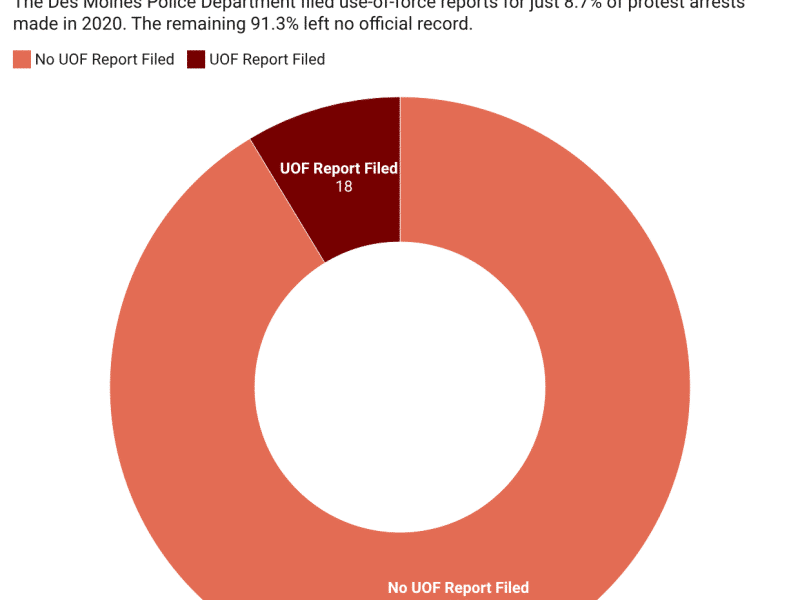
What the Numbers Caught: A Night of Force Tells All about the DMPD
ANALYSIS: Iowa nonprofit Just Voices releases study of Des Moines Police’ Use-of-Force Reports from the George Floyd protests.
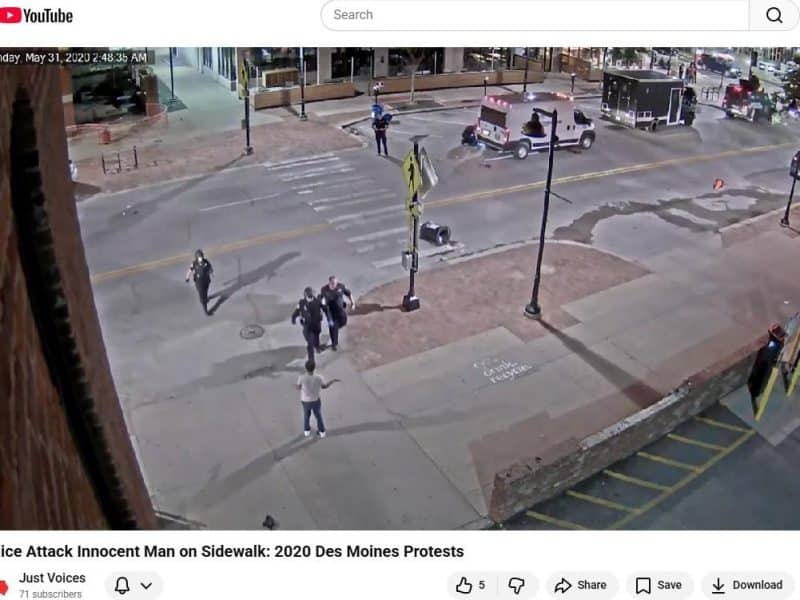
Profile of Des Moines police violence in aftermath of 2020 George Floyd protests
Officers caught on camera: Just Voices dives into video of Des Moines police officers assaulting a pedestrian on May 31, 2020 – a week after George Floyd’s murder.
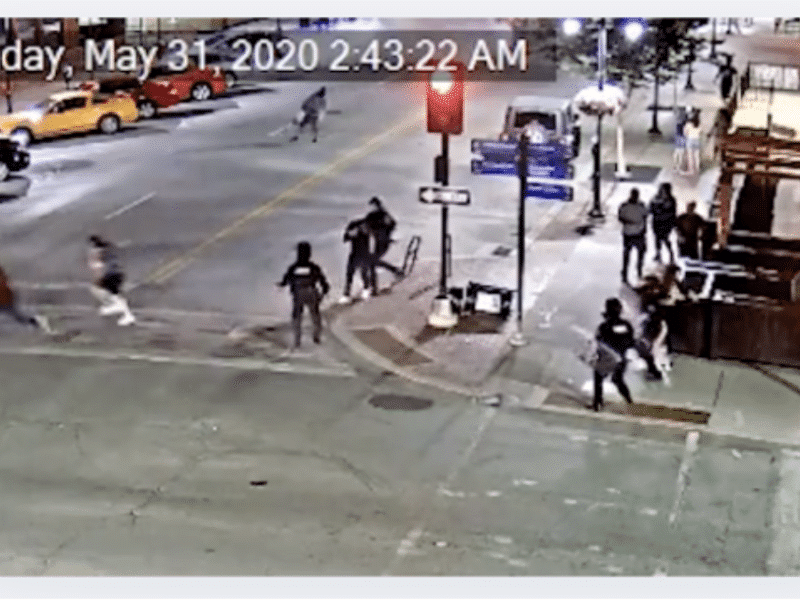
The Silence After the Sirens: What a Security Camera Revealed at 3rd & Court
A nonprofit dissected a surveillance video from the 2020 George Floyd protests, revealing allegedly undocumented use-of-force incidents by the DMPD.