
What King’s Dream Demands
Rev. Funchess analyzes the words of Dr. Martin Luther King and implements them into the reality we live in today.
I want to borrow a word from Dr. Martin Luther King’s sermon, “A Tough Mind and a Tender Heart,” found in his book “Strength to Love.” King warned us about two dangers that can destroy a society from the inside: soft-mindedness — the habit of believing slogans instead of truth — and hard-heartedness — the refusal to feel the pain of our neighbors. King’s vision was not a nation of perfect people, but a people learning to hold together what the world keeps trying to pull apart: clear thinking and compassionate living. That is exactly the kind of moral courage this moment requires.
Because we live in a time when soft-mindedness is loud. It’s easy to reduce human beings to labels: “illegal,” “woke,” “undeserving,” “those people.” It’s easy to let misinformation become a substitute for understanding.
But a tough mind insists on truth. It asks better questions. It studies history. It looks at reality— facts and faces, data and stories — and refuses to be manipulated.
And we live in a time when hard-heartedness can feel fashionable. People score points by being cruel. Policies get framed as “strength” when they are really a shortage of mercy. But a tender heart insists on seeing the image of God in every neighbor — especially the ones the world treats as disposable.
Now, if we’re going to honor King we have to do more than admire him. We have follow him. As Jemar Tisby challenges us, we need to get beyond the “quotable King.” The problem is not that we don’t know King’s words; it’s that we don’t always want to follow King’s way.
We love King’s dream, but we don’t always love what King’s dream demands. We don’t need more quotes from King — we need more courage like King. So let’s apply King’s message where it belongs: right here, right now.
First: immigration. We are watching immigration become a national crisis of conscience — families caught in uncertainty, communities confused and our public conversation too often poisoned by fear.
Second: DEIJ — diversity, equity, inclusion and justice. If we’re honest, the debate is not really about acronyms. It’s about whether we will tell the truth about who gets left out —and what it takes to bring people in.
Third: health care — nationally and in Iowa. People are anxious about affordability, access, mental health care and whether there will be a doctor nearby when crisis hits.
Fourth: education — nationally and in Iowa. Education is where democracy is either nurtured or neglected. (Excerpted from a King Day speech).
Related Articles
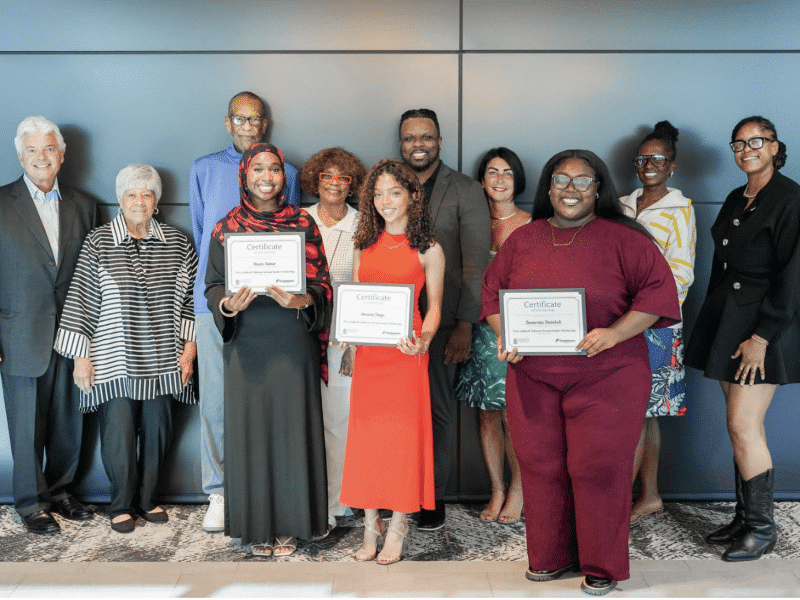
Five Des Moines students receive Inaugural Teree Caldwell-Johnson Servant Leader Scholarships
The inaugural scholarship recognizes underserved students pursuing higher education while carrying forward Teree Caldwell-Johnson’s commitment to opportunity and service.
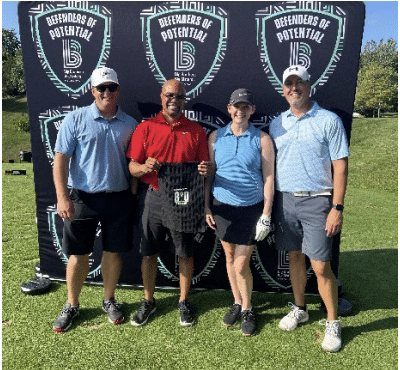
Central Iowa mentoring nonprofit organizes fall fundraiser for young Iowans
Big Brothers Big Sisters of Central Iowa’s annual Big Shots Golf tournament raises funds to connect young people with caring mentors across the region.

HIRING: Advertising Sales Representative – Des Moines, Iowa, hourly pay, + commission
Black Iowa News is hiring an Advertising Sales Representative in Des Moines, IA. Earn hourly pay plus commission while selling print, digital, newsletter and social media advertising.