
OPINION: The Problem With Black Women
The headline may make you uncomfortable. It should. Sometimes the best way to expose a myth is to state it plainly, then dismantle it piece by piece.
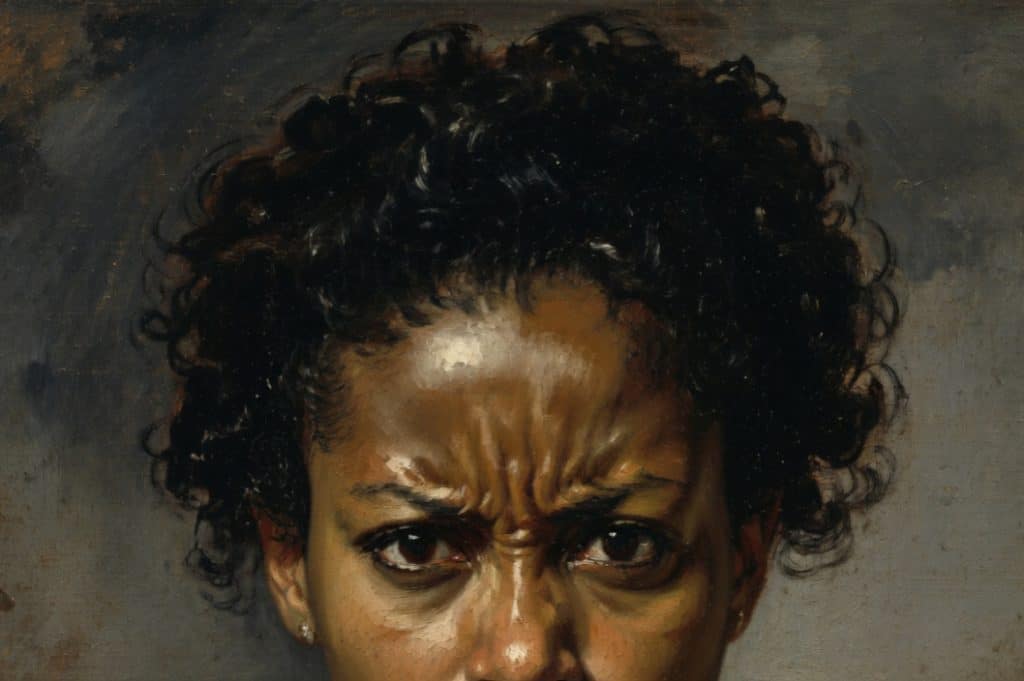
Well, now that I have your attention, take a deep breath.
Exhale.
Good.
Now do it again.
Because before anyone reacts to the headline, I want to explain exactly what I mean. After hearing my opinion, a friend once told me I should write about Black women.
So here we are.
First, some context. I am a heterosexual Black man, and I was raised by three beautiful Black women. I have spent my life watching Black women navigate a world that often demands impossible contradictions from them. I can definitely tell you with 100 percent certainty that the problems that Black women face are way more complex and detailed than one would expect.
Be strong, but not intimidating. Be confident, but not aggressive. Be successful, but not threatening. Be independent, but still make everyone else feel comfortable. Be submissive, but control everything. Be aggressive, but not masculine. Then people turn around and ask questions like: ‘Why are Black women so angry?’ But before we answer those questions, maybe we should ask a different one:
Who decided the defining characteristics of Black women in the first place?
The problem with Black women is that Black women are not the problem. The problem is that society has often misunderstood, mislabeled and punished the very traits it demanded they possess. Strength becomes anger. Confidence becomes attitude. Self-protection becomes hostility. A voice becomes aggression.
The same qualities that allow all women to survive difficult circumstances are often amplified, ridiculed and criticized when displayed by Black women who society has historically expected to remain quiet, gentle, or docile. That contradiction is where the real problem begins — not with Black women — with the way society chooses to view them through a judgmentally-tinted lens.
History is full of examples of strong and intelligent Black women whose confidence and refusal to accept limitations were often misinterpreted as defiance, when they should have been called leadership. Few examples illustrate this better than Angela Davis.
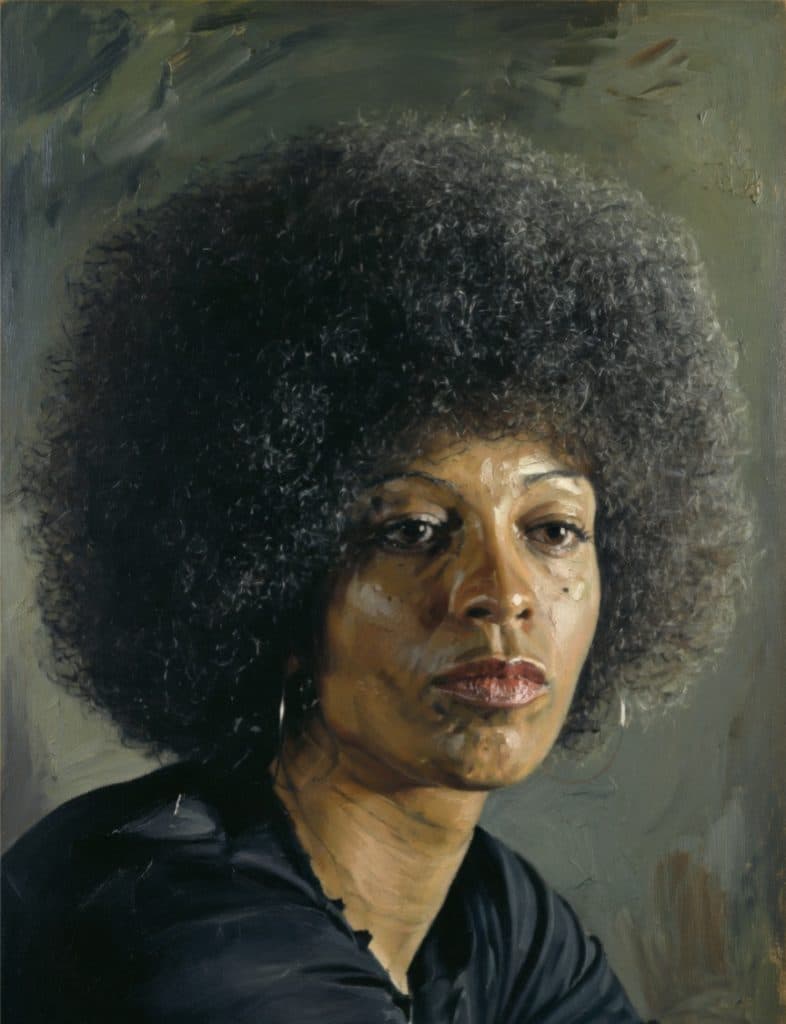
Davis was not born a revolutionary. She became one. She was a gifted student who excelled at everything academic. The daughter of educators, she pursued an intellectual curiosity that took her far beyond her hometown of Birmingham, Alabama. She studied philosophy at three of the world’s most respected institutions: the Sorbonne in Paris, Johann Wolfgang Goethe University in Frankfurt and Humboldt University in East Berlin. Under the influence of prominent theorists such as Theodor Adorno and Oskar Negt, Davis explored some of humanity’s most difficult questions: power, violence, oppression and the forces that shape society.
After writing her dissertation “Towards a Kantian Theory of Force” And graduating Magna Cum Laude, she was appointed assistant professor of philosophy at UCLA. At this point, Angela Davis was not simply a person with strong opinions; she was a highly educated scholar who had spent years studying the very systems she would later challenge. Yet, when she became outspoken about racial and social injustice, many people did not see an educated woman engaging in an intellectual debate about society. They saw a threat.
Another example is Nina Simone. Nina was a renowned singer, songwriter, pianist, composer, and Civil Rights activist known for her powerful voice and virtuosic piano skills. She blended classical, jazz, blues, folk, and R&B, sometimes within the same song. As a classically trained pianist, Simone’s music was not protest music because it was fashionable; it was protest music because she could not separate her art from the reality around her. The violence and injustice she witnessed were not abstract one-off issues; they were wounds inflicted on her community and country. Born in North Carolina, Simone began playing piano at age three and studied at the Juilliard School.
After Juilliard, Nina was denied admission to the Curtis Institute of Music, she believed racism and jealousy influenced the decision. That rejection became a defining moment for her, fueling her determination to prove her talent. Nina’s style was so unique that critics struggled to categorize it. A Nina Simone album was an audiological adventure, moving between genres and emotions like a Kung Fu master changing styles mid-fight, filtered through her distinct voice and piano style. During the Civil Rights era, she became a powerful voice for change through songs like “Mississippi Goddam.”
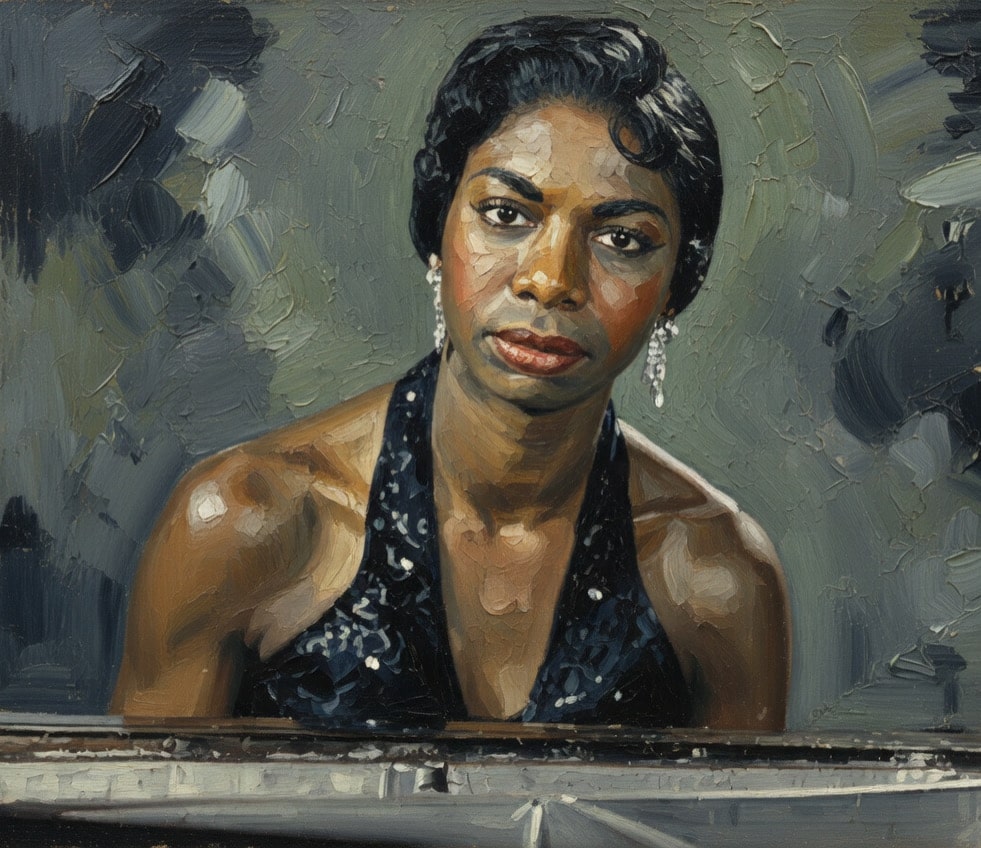
She connected with leading figures of the movement, including Martin Luther King Jr., Malcolm X, and Angela Davis. For Simone, music was not separate from activism; it was another form of resistance. Nina used her voice, and society loved her for it. But when she used that same voice to speak truth to power, the applause faded, and the message became clear: “BE QUIET.”
Angela Davis and Nina Simone came from different worlds, but they faced the same contradiction. Today, Michelle Obama represents another example of that same struggle: society celebrates Black brilliance until that Black brilliance challenges the world around it.
Former First Lady Michelle LaVaughn Robinson Obama is quite possibly the quintessential example of Black excellence.
If Black excellence were a dictionary entry, it would probably just be a picture of Michelle Obama holding a sign that says, “Stop Hatin’,” because a Princeton-educated attorney, best-selling author, and former First Lady does not need to explain herself to people who had already decided they didn’t want to listen.
Michelle Obama is an American attorney, author and public figure who served as the most beautiful first lady the United States has ever had from 2009 to 2017. What…she is…fight me! As the wife of “the luckiest man on earth” — his words, not mine — 44th U.S. President Barack Obama, she made history as the first Black woman to hold that role. Raised on the South Side of Chicago, she graduated cum laude from Princeton University. She earned a law degree from Harvard Law School before building a successful career in corporate law, municipal government and nonprofit leadership. Everything about her says she would have been something special even if she had married me instead.
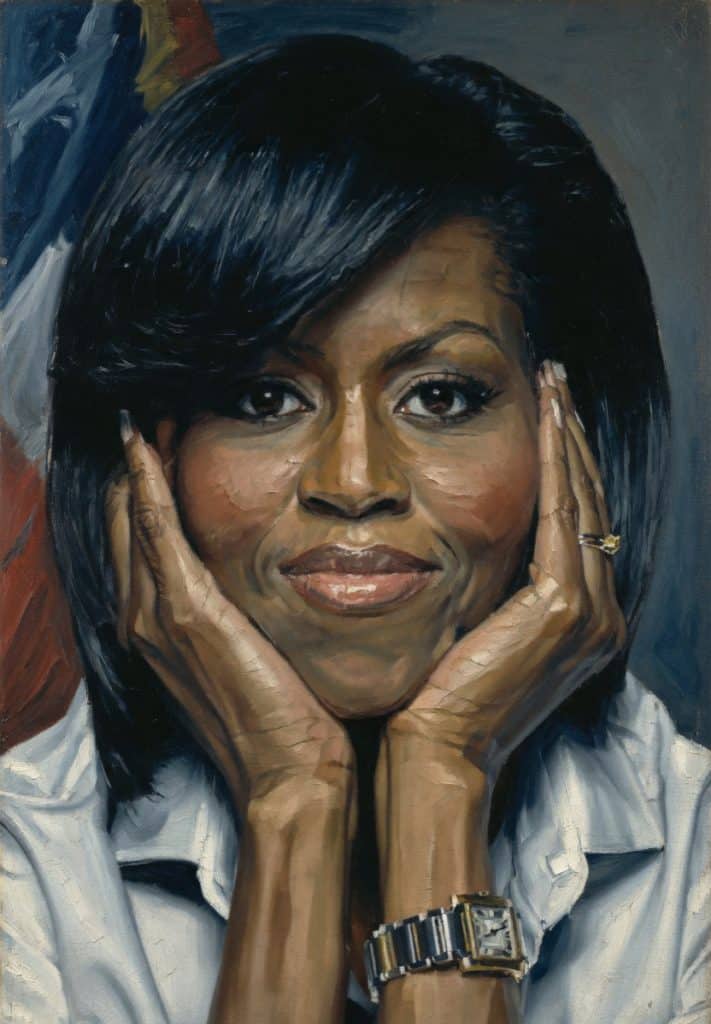
During her time as first lady, Michelle Obama became known not simply as the president’s wife, but as a leader in her own right. Her popularity even led some supporters to suggest placing her on the 2016 presidential ticket. After witnessing how the country treated her husband, I was glad she chose not to do it.
She championed initiatives focused on healthy families, education, international girls’ education and support for military families and veterans. She embodied a combination of intellect, discipline, compassion and achievement that made her an undeniable example of excellence, but it also caused extreme discomfort in a specific group of men because she’s tall, beautiful, well-spoken, confident — and so far out of their league.
History is full of “problematic” Black women.
I’m not at all sorry if you’re disappointed that this piece isn’t filled with self-hating, propagandized nonsense about fake nails, fake hair, gold teeth, hair bonnets, big booties, or questionably revealing outfits. I refuse to ask for, make, or accept apologies from or on behalf of my beautiful Black sisters who carry entire communities on their backs effortlessly while rarely saying a word about the weight. I accept them. I appreciate them. I respect them. I encourage them to be everything they are without question and everything they want to be without concern.
Serious. Sexy. Brilliant. Loud. Quiet. Complicated. A little silly. A little wild. A little weird. Soft when they want to be and strong when they have to be.
I love all of it.
I love all of them.
And I will never accept anything less for them than the freedom to exist unapologetically, exactly as they are — comfortable in every shade of skin from golden olive to midnight onyx, just as God created them.
Perfection.
Support Black Iowa News
Make a tax-free donation to the monthly statewide Black Iowa Newspaper. We accept DAF, Crypto and stock: Learn more: https://altnewsfoundation.org/black-iowa-news/.
Stay connected: LinkedIn. Bluesky. Facebook. Threads. YouTube
Author

Related Articles
Passing the Baton: Who will document the Black experience in Iowa for the next 250 years?
The Black Press has long documented the lived experiences of Black Iowans. Sustaining it into the future will require more.
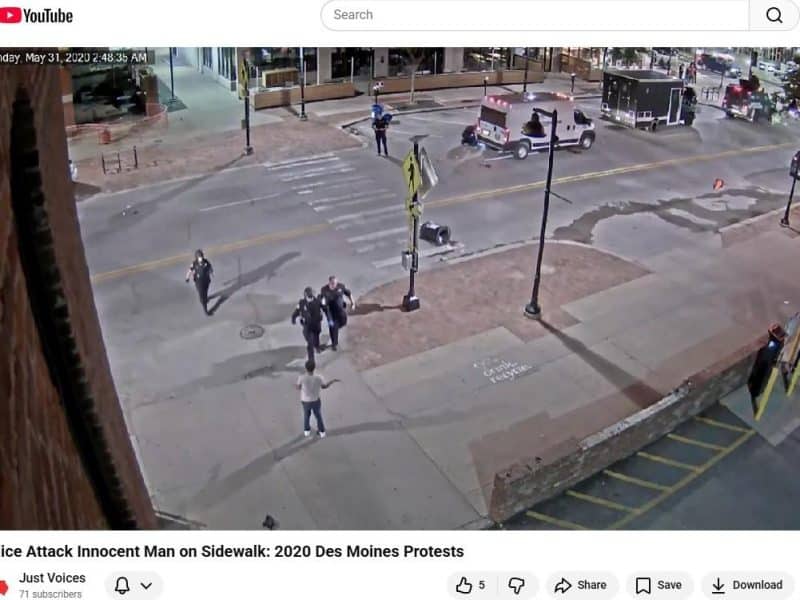
Profile of Des Moines police violence in aftermath of 2020 George Floyd protests
Officers caught on camera: Just Voices dives into video of Des Moines police officers assaulting a pedestrian on May 31, 2020 – a week after George Floyd’s murder.
Who Will Write America’s Next 250 Years?
OPINION: Wayne Ford, a former Iowa legislator, ponders the past and the nation’s next 250 years.