
Meet Sioux City’s local Black author and historian: Jim Tillman
Telling Black stories. Author Jim Tillman has deep roots in Sioux City, Iowa, and he has made it his mission to shepherd Black history there.
Correction: Jim Tillman’s age was listed incorrectly in previous versions of this story. We apologize for the error.
One great thing about Jim Tillman? You can hastily shoot him a Facebook message asking to interview him, and he’ll agree with no questions or additional details needed. Tillman is all about action. Now 67 years old, he is full of vim and vigor, working with urgency and intention as he researches Sioux City. His family has deep roots in Sioux City dating back to the early 1900s. Tillman’s family arrived by way of Forsyth County in Georgia and is a surviving descendant of the infamous 1912 Forsyth lynching.
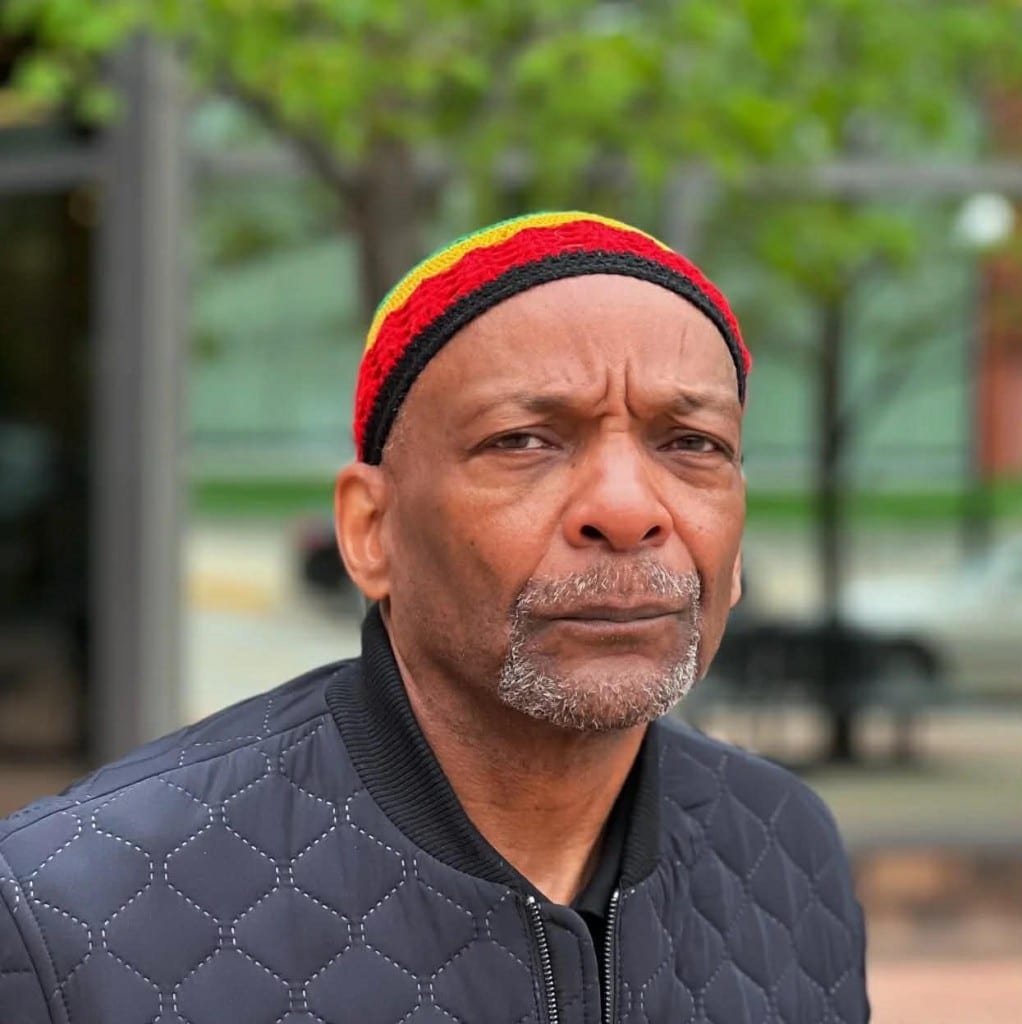
His family, just like many other Black families in Georgia, were among the 1,100 people who had to quickly flee from white-hooded gangs that were running rampant through southern communities. Black families were threatened, terrorized and forced to choose between freedom and justice or life and liberty. They relocated to rebuild in new northern towns across the US. Evacuees, who were left with the unfortunate choice between safety and livelihood, left behind their lives, their friends, their property, businesses and farms.
Tillman’s uncle, George (G. S. Tillman), was one of them. After exile, he and his parents built a new life in Sioux City, and he eventually grew up to run the Rib Hut, one of many Black businesses that formed along the Missouri River back then.
The area’s revenue was due in large part to the presence of Black-owned businesses. Chophouses, barbers, taverns, barbecue, chicken shacks were popular amongst all residents. Just after the Civil War, developers quickly moved to the Siouxland area and hired displaced Black workers to install pipeline, lay asphalt, pave sidewalks and build the new settlement literally from the underground up.
Tillman’s story is just one of the many he aims to share about local history. An advocate for suppressed stories, his role on the Sioux City Public Museum‘s Board of Trustees serves the community well. He is passionate about the significance of Sioux City’s history and aims to document as much as he can. His early days as a videographer included documenting local events in the Black community. Later, as he discovered old family photos, he aimed to identify his own archives that also help tell the history of Sioux City.
Those photos informed his series of books, all dedicated to the Black history of Sioux City. His first title, “The Journal of African American History – Sioux City, Iowa (Vol. 1),” covers Sioux City’s Black leadership dating back to its origins. His other three volumes cover a range of Sioux City’s history, including sports, music, education, churches and Black narratives before the 1900s and the 1950s. His fourth book, “Voices of Resistance,” is all about the city’s Black churches.
Tillman’s newest project is about the Sanford Center, one of the few places in Sioux City where the Black community was able to socialize with safety. The center served everything for the Black community, including funerals, weddings, church services, after-school programs, dinners, dances and more. But after years of disuse, the center is returning to a place where it is inviting the community back.
”I am a product of the Sanford Center” he says, noting it hasn’t changed much since he was a kid, including the curtain he recalls from his younger days. The center is in need of a remodel, and Tillman aims to assist with raising funds for the building.
Beginning with Sioux City’s Juneteenth celebration, Tillman expects to attract the community and advocate for support for the remodel. You can find more information about the Sanford Center on his YouTube channel.
Eventually Tillman hopes to broaden his focus to include additional community stories that may not originate in Sioux City or the Black Community.
“Everybody’s got a story, and everybody wants to tell their story. If we listed to enough of them . . . we can share in this,” he said.
Tillman is working on his fifth independently published book and is busy marketing and booking speaking engagements about Sioux City and Iowa history.
He has more stories than he could ever write.
This story appears in the April edition of the Black Iowa Newspaper.
Author

Related Articles

African American Museum of Iowa honors statewide leaders in annual event
From athletes to state representatives, the History Makers event showcases Black excellence through various perspectives of leadership.

From Little Rock to Muscatine: School desegregation pioneers share their stories in Iowa
Civil Rights pioneers Carlotta Walls LaNier of the Little Rock Nine and Leona Tate of the New Orleans Four to speak in Iowa.
You Need to Thank Thurgood Marshall
OPINION: Find out why Shade Burgs says the nation owes a debt of gratitude to Thurgood Marshall.