
Iowa State Treasurer Candidate John Norwood says he will ‘follow the money’ to make costs and outcomes more apparent, improve lives, save taxpayers money
Here are the responses from Black Iowa News’ Candidate Questionnaire. Seven candidates completed the questionnaire. Here’s where they stand on the issues that matter to Black Iowans. The election is Nov. 3.
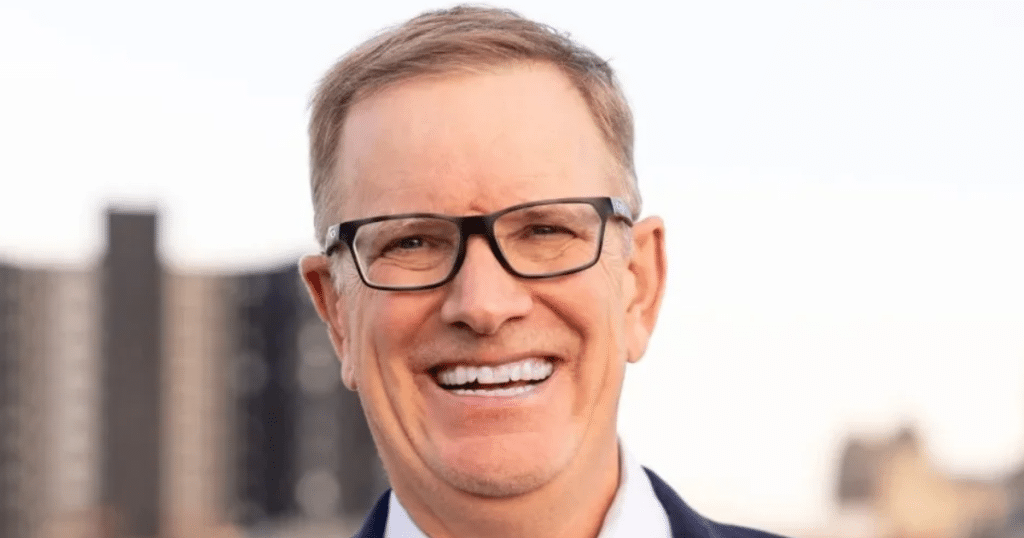
Democrat John Norwood, who is running for Iowa Treasurer, responded to Black Iowa News’ 2026 Candidate Questionnaire. Here are his unedited responses.
BLACK IOWA NEWS: Black Iowans face challenges involving household income, homeownership, access to capital and business development. What specific policies would you support to expand economic opportunity, increase homeownership and help Black-owned businesses grow and succeed in Iowa?
Norwood: The Treasurer can use Iowa’s financial tools to expand opportunity and access to capital. LIFT is particularly important. While it began with an agricultural diversification focus, support for targeted small businesses—including women- and minority-owned businesses—became an important part of the program.
I want to better understand and respond to the distinct barriers Black and brown Iowans can face in entrepreneurship, homeownership, affordable housing, and access to capital.
Through Goldman Sachs 10,000 Small Businesses, I have advised scores of entrepreneurs, including Black and brown business owners. I have seen challenges extending beyond financing to building relationships with bankers, attorneys, CPAs, and other professional advisers. I have also invested my own money in minority-owned and operated businesses in central Iowa.
As Treasurer, I would strengthen LIFT, expand partnerships with Iowa banks and credit unions, and use the office as a connector—helping entrepreneurs gain access not only to capital, but also to the relationships, expertise and networks necessary to build durable businesses and generational wealth.
BLACK IOWA NEWS: Black Iowans experience disparities in maternal health, chronic disease, and access to affordable, quality health care. What specific actions would you take to address these disparities, improve health outcomes, and ensure Black Iowans have access to the care they need?
Norwood: The Treasurer does not run Iowa’s health-care system, but the people’s CFO can help expose the financial consequences of health disparities and encourage smarter investment in prevention.
Several years ago, then Broadlawns Hospital CEO Jody Jenner asked me to help him understand how minority communities viewed the hospital. We found that some older residents carried distrust based on Broadlawns’ outdated reputation, even as the hospital was changing dramatically. Broadlawns worked to engage minority communities, connect with younger generations, and improve access to care. That reinforced something I believe strongly: trust, accessibility, and prevention matter.
We need creative approaches to maternal-health disparities and chronic diseases affecting Black Iowans. Earlier screening, preventive care, community outreach, and trusted messengers can improve health while avoiding much higher costs later. An ounce of prevention really can be worth a pound of cure.
As Treasurer, I will “follow the money”—making costs and outcomes more transparent and helping policymakers distinguish between spending that treats problems after they become expensive and investments that prevent them, improve lives and save taxpayers money over time.
BLACK IOWA NEWS: Educational achievement, school funding, access to higher education and the teaching of Black history remain important issues. What policies would you support to improve educational outcomes for Black students, ensure equitable opportunities, and prepare young Black Iowans for successful careers and futures in Iowa?
Norwood: I was a history major at Williams College and years later chaired the West Des Moines Historical Society. One of its properties, the Jordan House, was a stop on the Underground Railroad. I believe we must understand our history—the good, the bad and the ugly—so we can make better decisions and avoid repeating its worst chapters.
Strong public schools are foundational to Iowa communities and our economy. I believe we should limit private-school vouchers rather than provide the same public subsidy regardless of family income. Public resources should be stewarded where they are most needed.
We also need to recognize that equal funding does not always produce equitable opportunity. Schools serving higher concentrations of poverty, students with disabilities or other significant needs may require greater public support to deliver strong outcomes.
Public schools carry a fundamental obligation to educate every child who comes through their doors. That is both our responsibility and our challenge.
The Treasurer does not set school policy, but the people’s CFO can help inform the debate by showing the long-term economic return from strong schools, education savings, financial literacy, and career pathways.
BLACK IOWA NEWS: Issues surrounding discrimination, voting rights, policing and criminal justice continue to affect Black communities. What specific actions would you take to protect civil rights, address racial disparities in the justice system and ensure Black Iowans are treated fairly by government institutions?
Norwood: The Treasurer does not control policing, sentencing, or voting law, but the state’s CFO can do more to surface the economic and financial consequences of racial disparities and insist on fairness within the institutions the office touches.
Every Iowan should be treated fairly and with dignity by government. There is also an economic dimension to fairness. Citizens who have opportunities to pursue their hopes, build careers, start and grow businesses, and participate fully in their communities add to Iowa’s social fabric and economic strength.
My conversations with corrections officers have reinforced the need to examine the full costs of our criminal-justice system—staffing shortages, overtime, turnover, incarceration, and recidivism. Safety must always be paramount. But taxpayers should also understand whether policies are improving public safety and helping people become productive citizens or simply creating more long-term costs.
As Treasurer, I would bring transparency to those financial consequences, ask hard questions about outcomes, and make sure the Treasurer’s own programs and partnerships model equal access, respectful treatment, and accountability.
BLACK IOWA NEWS: Why should Black Iowans entrust you with their vote? What in your record demonstrates that you understand the challenges facing Black communities and will take specific actions to improve their lives?
Norwood: I sometimes say my superpower is connecting with people. I listen with empathy, ask hard questions, and look creatively for solutions to complex problems.
I am a financial educator and lifelong learner. I put tens of thousands of miles on my vehicle each year traveling Iowa, working with communities, and learning about their different challenges and aspirations.
Through Goldman Sachs 10,000 Small Businesses, I have advised scores of entrepreneurs, including Black and brown business owners. I have invested my own money in minority-owned businesses. My work with Broadlawns also taught me how history, trust and access can influence whether people use essential services.
As Treasurer, my agenda is practical: protect IPERS, broaden access to capital, strengthen education savings and financial literacy, put more Iowa money to work in Iowa, and make the financial consequences of inequities more visible.
I want to unleash the power of Iowa’s money to work harder for taxpayers, families and communities.
Author

Related Articles

One week to go until the Nov. 3 Election: Here’s what seven Iowa candidates say they’ll do for Black Iowans if elected
Black Iowa News sent candidate questionnaires to 200+ email addresses on the Secretary of State’s 2026 candidate list. We received seven responses.
Republican Ronald Langston wants to bring his extensive public and private sector expertise to Iowa Senate District 17
Republican Ronald Langston is running for Iowa Senate District 17 in Des Moines. The election is Nov. 3.
Iowa agriculture secretary candidate Chris Jones would advocate for ‘environmental justice’ and farming opportunities for Black Iowans
Here are the responses from Black Iowa News’ Candidate Questionnaire. Seven candidates completed the questionnaire. Here’s where they stand on the issues that matter to Black Iowans. The election is Nov. 3.