
Former state Rep. Wayne Ford asks Rob Sand to restore advisory bodies if elected Iowa governor
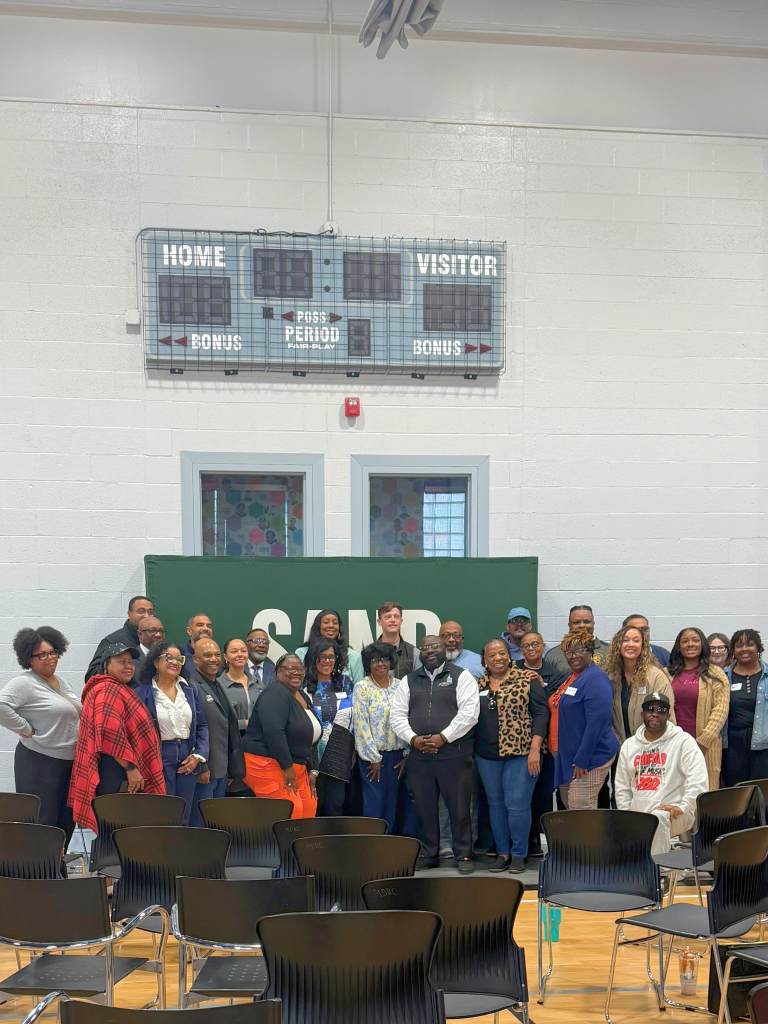
Gubernatorial candidate Rob Sand, Democrat, held a fire side chat with Black leaders on Oct. 26. The election is Nov. 3.
I was delighted to participate in a meeting on Oct. 26, with Democrat Rob Sand, candidate for governor, and fellow Black business and community leaders at the historic Willkie House in Des Moines. I appreciated his willingness to meet directly with members of our community, hear their perspectives and share his aspirations for Iowa’s future. I valued the opportunity for thoughtful dialogue and shared my recommendation with Sand’s leadership team. The election is Nov. 3.
Having served 14 years in the Iowa House, I know that meaningful public representation has never belonged to one political party. Consider six historic Iowa commissions serving Women, African Americans, Latinos, Native Americans, Asian and Pacific Islanders and Persons with Disabilities. Their development tells a remarkable bipartisan story stretching from the 1960s to the 2024 restructuring.
The Commission on the Status of Women addressed education, employment and civic participation for a population that makes up more than half of Iowa. The Latino Affairs and African American commissions offered avenues for important community concerns. The Asian and Pacific Islander Commission recognized another growing part of our state. The Native American Affairs Commission honored the voices of Iowa’s original peoples, whose history here predates statehood. The Commission of Persons with Disabilities addressed access, independence, employment and participation. Each represented a different part of Iowa’s identity.
I was personally involved in one chapter of this history. In 1999, during Republican Gov. Terry Branstad’s administration, I introduced House File 410 proposing a study of Asian and Pacific Islander Iowans, followed by House File 469, proposing a commission. Five years later, in 2004, the Iowa Legislature established the commission under Democratic Gov. Tom Vilsack through separate legislation, Senate File 2188. Even after my years in the Legislature, I find the history illuminating: the Iowa Commission on the Status of African Americans, for example, was established under Republican Gov. Terry Branstad.
In 2024, Gov. Kim Reynolds signed legislation eliminating or consolidating 83 boards and commissions, including these six separate commissions. Her administration emphasized efficiency and reducing duplication; some responsibilities moved to the Human Rights Board.
My dream is that, if elected governor, Sand would explore an early executive order creating six advisory bodies inspired by these historic commissions. They could convene community voices, identify needs, recommend policy and maintain a direct channel to the governor’s office. If Iowans support permanent restoration, Republican and Democratic legislators could then work together on legislation.
I offer this recommendation in appreciation of the meeting and in a spirit of bipartisan cooperation. What earlier generations helped build across party lines, today’s leaders can consider restoring together — if that is the will of Iowans.
Related Articles
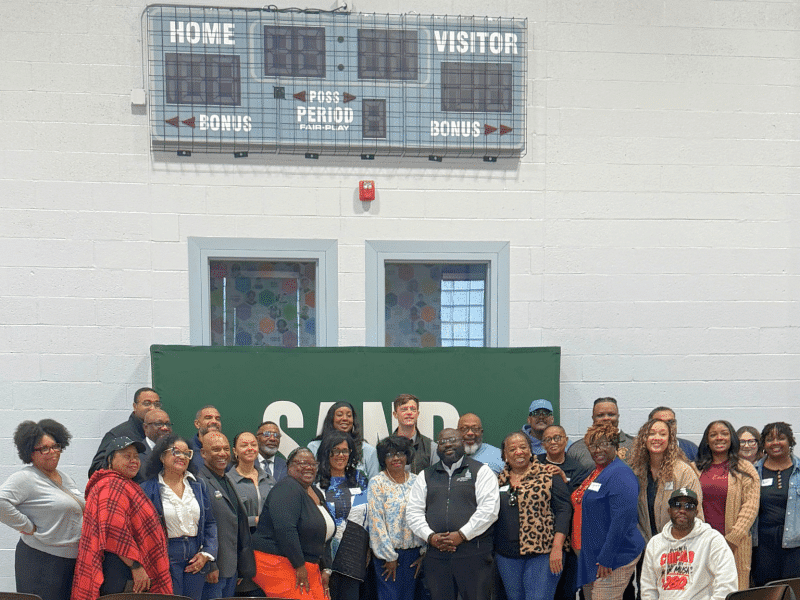
Eight Days to Election Day: Governor candidate Rob Sand Sits Down with Black Des Moines leaders
Gubernatorial candidate Rob Sand, a Democrat, met with Black Des Moines leaders after a push from a Black doctor who met him at a fundraiser.

Sorority hosts candidate conversation at Corinthian Baptist Church in Des Moines
The Alpha Kappa Alpha Sorority, Iota Zeta Omega Chapter, hosted Connect & Lead, A Candidate Conversation on Sept. 29, at Corinthian Baptist Church.

The Iowa America Thought It Knew: Race, Democracy and a Record Worth Remembering
Iowa has a rich history of Black Iowans making an impact on politics locally and nationally, says a former Iowa legislator