
Seated, Not Silent: Why I Choose Not to Stand for the Pledge
OPINION: Do you stand for the Pledge of Allegiance? Not everyone does. Read Lya Williams’ rationale for her decision.
I love this country enough to ask more of it — and I believe that choosing not to stand can be an expression of conscience, citizenship and hope.
Lately, I keep hearing the same question: Why don’t you stand for the Pledge of Allegiance?
My answer is rooted in several parts of my life and experience, but they all lead to one conviction: patriotism should leave room for conscience, criticism and peaceful dissent.
Conscience and peaceful protest
Growing up in North Carolina, I was required to recite the pledge. The words “under God” troubled me because national unity should not depend on shared religious belief.
We cannot claim unity while excluding our neighbors. Colin Kaepernick’s 2016 protest also shaped my thinking. His decision to sit and then kneel during the national anthem was quiet, lawful and costly. It showed how quickly peaceful dissent can be punished.
History, service and belonging
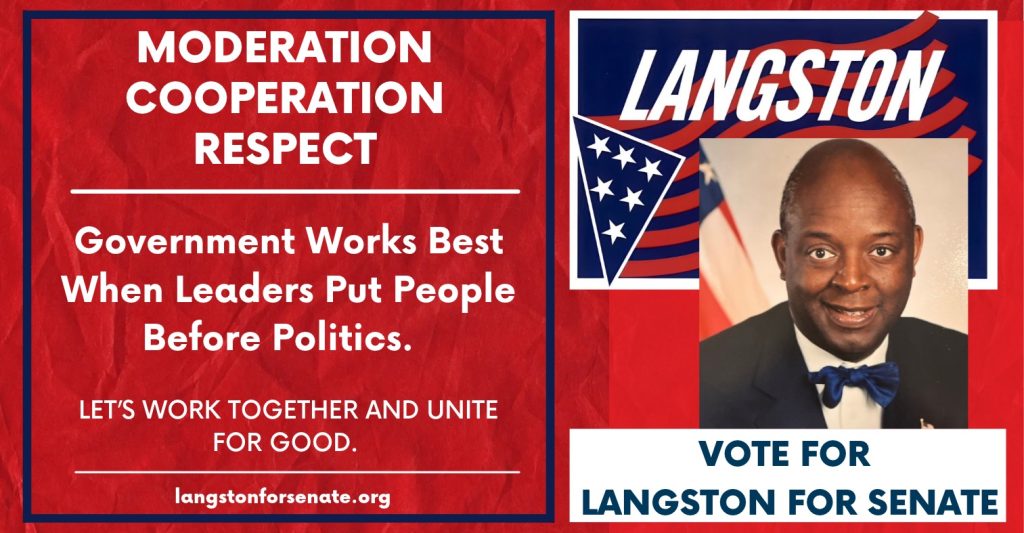
My choice is not new and did not begin when I joined the school board. I first remained seated to support students I mentored. I also think of Black service members, including my father, who defended this country but returned to discrimination and unequal treatment. Their experience exposes a painful contradiction: sacrifice did not guarantee dignity or belonging. Patriotism should not be used to decide who counts as a true American.
ADVERTISEMENT
Rights, leadership and public responsibility
Some critics use my choice to question my ability to lead. Yet I am exercising a constitutional right and breaking no law. In West Virginia State Board of Education v. Barnette, the Supreme Court ruled in 1943 that public-school students could not be compelled to salute the flag or recite the pledge. Public boards may enforce fair rules about time, disruption and conduct, but those rules should protect order without silencing a viewpoint.
The experiences that shaped my perspective
I was raised by a factory worker and a teacher, both college-educated, in a society that did not treat either job as professional. At an integrated school, I was reminded that I did not resemble the students considered the best. Those experiences taught me to question systems and traditions that rank people’s worth.
What leadership requires
Leadership means showing the next generation how to exercise rights responsibly. I inherited freedoms that earlier generations fought to secure, and I intend to use them. The flag should unite us, not become a weapon against dissent. Whether we stand, sit, or kneel, each of us should remain free to act according to conscience — and our country should be strong enough to listen.
This piece appears in the October Black Iowa Newspaper
Write a letter to the editor
We want to hear from Black Iowans. Your voice is valuable, and Black Iowa News is here to amplify it. Share your thoughts with us. It’s easy. Email us your original, unpublished opinion piece of 400 words to: dana@blackiowanews.com.
Author

Related Articles
Iowa’s water quality crisis inspires Black leaders to pursue solutions
A cohort from the African American Leadership Academy studied Iowa’s Water Quality Crisis and developed a proposal to bring safer drinking water to Des Moines’ Black residents.
Letters to the Editor: Say ‘No’ to Iowa Constitutional Amendment 1
Want to share your opinion? Email your letter to the editor to Black Iowa News. Email letters@blackiowanews.com.
Clash of the Clippers: More Than a Barber Competition
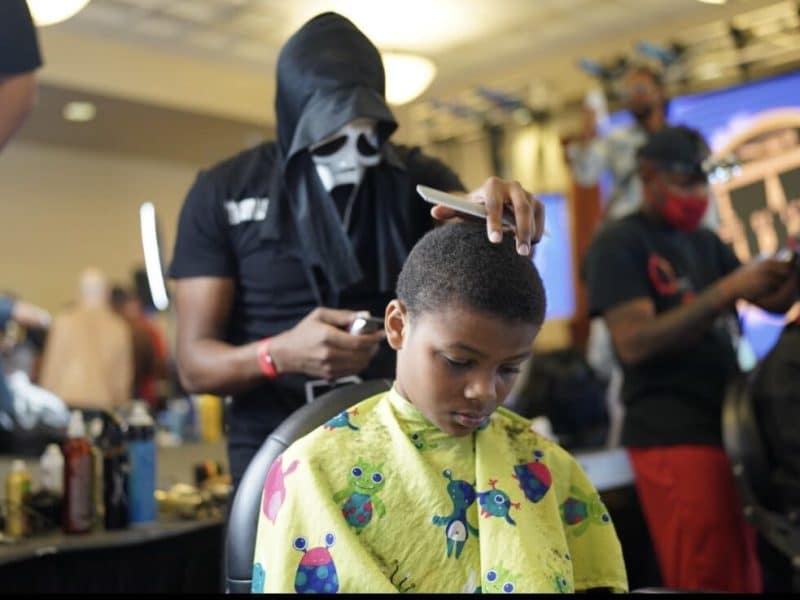
Clash of the Clippers spotlights Iowa’s Black barbers, celebrating their artistry, entrepreneurship and cultural influence through competition and community connections.