
Running for Office: Observations from the first Black woman elected to Ames City Council — Anita Rollins
“I also have a strong internal drive to care about community and particularly about people from populations who are marginalized.” — Anita Rollins
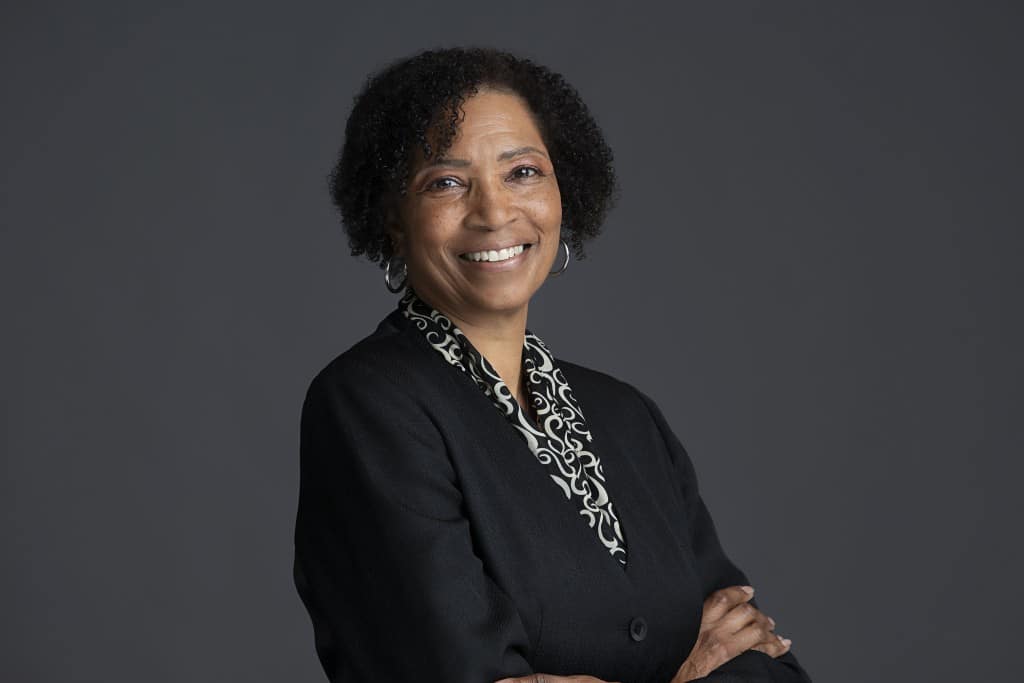
Black Iowa News discussed the intricacies of political office with the first Black woman elected to the Ames City Council in 2022.
What’s it going to take for more Black Iowans to get elected in 2025?
Black Iowa News: How meaningful is it for you to be the first Black woman elected to the Ames City Council?
Anita Rollins: “It is extremely meaningful, but perhaps not for the reason that people might think. It’s meaningful because I understand that many people who look like me don’t have the resources to serve. What I mean by that is, I understand that running for and serving in a public office requires, for example, time that is available and flexible; or financial resources that allow one to spend time in service rather than in a second job or in caring for others; and decent health. I’m extremely humbled to be so privileged.”
Black Iowa News: What are some strategies that could help more Black people get elected to local and state government, and councils, boards and commissions?
Anita Rollins: “The first thing that I would recommend as a strategy for successfully entering public service is to learn about how to get involved – what is the application process and deadline for the position in which you would like to serve, and what are the requirements for the position, for instance.
The second strategy I would recommend would be to talk with others who have served in that position. They can tell you a great deal about the best places to spend your energy as you are running for an office. They can also help you identify resources and share the ways they have found to be successful in connecting with potential constituents.
My third strategy suggestion would be to sit in on meetings of the government unit to which you would like to be elected. That serves several purposes: first, it will let you see how people interact in that setting and the topics they cover so that you can determine whether that is really a good fit for you and your interests. Second, it will provide an opportunity to connect with people who are currently doing that work. Third, it sends a message that you are serious about your desire to learn and serve. It also provides an opportunity to learn about the issues.
Finally, I suggest that you identify and solidify your values and views, but also stay focused on what’s best for the entire population that you hope to serve. That can only happen through getting out in your community.”
Black Iowa News: What motivates you to work on behalf of the community?
Anita Rollins: “First and foremost, what motivates me to work on behalf of the community is the love I have for my Lord and Savior Jesus Christ and my desire to be obedient to his command to love my neighbor. I believe he has led me to pursue public service.
I also have a strong internal drive to care about community and particularly about people from populations who are marginalized. Serving on the city council provides me with an opportunity to try to make a difference in people’s lives in this tiny slice of the world. I believe strongly in leaving things better than I found them, even if it’s only in a small way.”
Black Iowa News: What do you see as the most pressing issues facing Black Iowans?
Anita Rollins: “To me, sadly, because they are long-standing, equitable access to a high-quality education, over-incarceration, and employment and housing challenges remain pressing issues for Black Iowans. As a city council member, I have these issues as my lens in decision-making.”
Black Iowa News: What are some possible solutions to the issues facing Black Iowans?
Anita Rollins: “I’m not sure that I have solutions, but I think there are some actions we can take that can help Black Iowans have better outcomes. For instance, I think we have to continue to hold school districts accountable – we have to ask for data and ask what districts are doing to increase educational outcomes for Black youth. And then we have to keep going and keep asking until we achieve the outcomes we know are achievable.
When it comes to the rates of over-incarceration among Blacks, one of the things we can do is ensure that we aren’t over-policing. City policies can make a great deal of difference in this area. The community can also ask questions about the types of training their local police department takes advantage of, and community groups can invite them to learning opportunities.
When it comes to housing and jobs, sometimes there are programs and services available that people in our community could benefit from but the information isn’t reaching those who could benefit from it the most. As a city, one of the things I continue to challenge us to do is not to think of ourselves as having communicated simply because we put information out; instead, it is communication when the information has reached the intended audiences.
And of course, an action I recommend is to continue to agitate and advocate. Make your voice heard and/or join a group that will amplify your position and values.”
Black Iowa News: On the heels of Black History Month, who is your favorite Black historical figure, and why?
Anita Rollins: “It may sound cliché, but Rev. Dr. Martin Luther King, Jr. is probably my favorite Black historical figure. Perhaps in part it’s because I was alive and knew about him growing up, but today it is primarily because of the way he tied his Christian, biblical principles to his actions. His call for radical love, his sacrificial service, his willingness to speak truth and to put himself in the gap for others were phenomenal feats. I have this message in the signature line of one of my emails, and I think it sums up how I try to think about what I do: “The first question which the priest and the Levite asked was: “If I stop to help this man, what will happen to me?” But . . . the good Samaritan reversed the question: “If I do not stop to help this man, what will happen to him?” – Dr. Martin Luther King, Jr.”
CORRECTION: This story in the March edition of the Black Iowa Newspaper contained an error that has since been corrected here. We regret our mistake.
Author

Related Articles
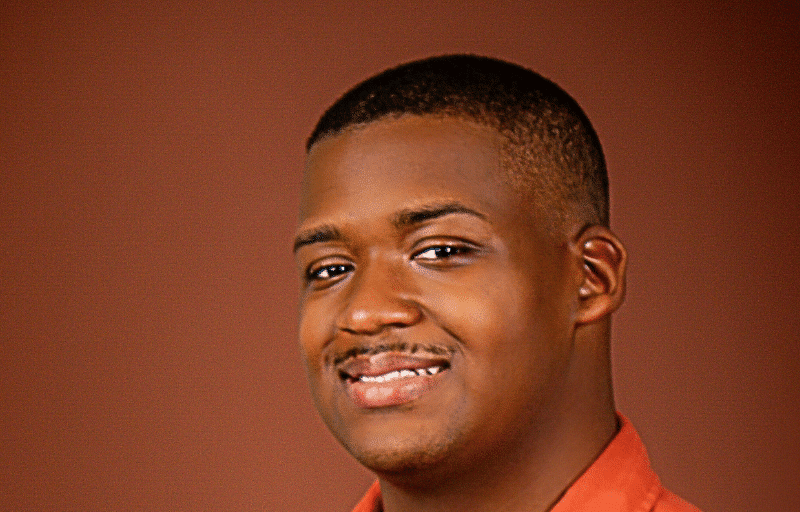
Iowa House District 71 candidate DeLano Cain-Watson feels ‘deep responsibility to make sure Black Iowans are not treated as an afterthought in state policy,’ but as ‘vital’
Black Iowa News Q&A: Get to know DeLano Cain-Watson, a candidate for Iowa House District 71 in Dubuque, Iowa.

Celebrate Kwanzaa at the African American Museum of Iowa
Visit the African American Museum of Iowa to celebrate Kwanzaa from 12-3 on Dec. 28. Activities for all and food provided.

We gotta talk about ‘white-on-white crime’
Opinion: Statistics show that “white on white crime” is and always has been equally on par with other races, so why don’t we ever hear about it?