
‘How are you taking responsibility for your own health?’ asks keynote speaker at Black Women 4 Healthy Living’s annual conference
About 100 Black women packed a health conference designed with their needs in mind on Aug. 17, at Grand View University. #BW4HL
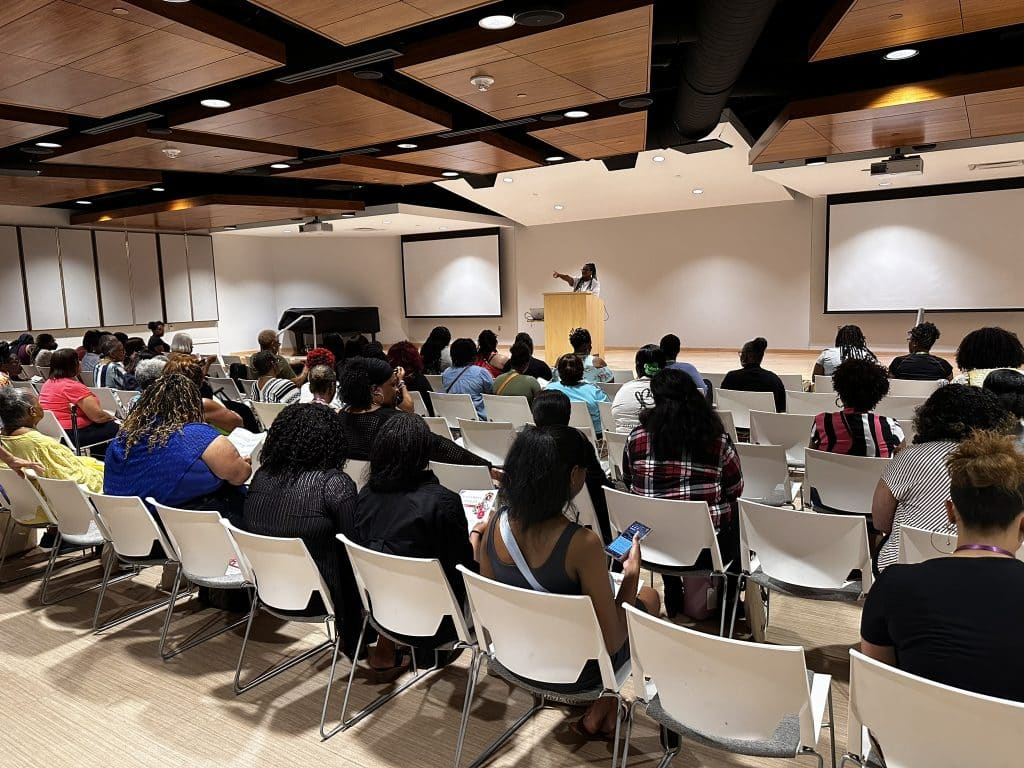
More than 100 women on Saturday attended a free health conference organized by Black Women 4 Healthy Living (BW4HL), a Christ-centered wellness movement. Several health experts and Black elected officials spoke at the conference, in its second year, held at Grand View University. The event featured workshops, performances and a vendor fair.
The conference theme was inspired by Proverbs 4:23: Black Women, Protect Your Heart. Breakout sessions covered fibroids, breast cancer, the maternal health crisis and postpartum depression, financial health, mental health, movement and single parenting.
Speakers agreed that most people are familiar with the dire health disparities affecting Black people and the historical and social reasons behind them. Keynote speaker and Des Moines University President Angela Walker Franklin, Ph.D., challenged attendees to take responsibility for their own health.
“At the same time as we celebrate the strength of the Black woman, in the same breath, we can be concerned about the heavy lift and the weight we all carry,” she said. “We, too many times, are strong for everyone else, except for ourselves.”

Franklin, a licensed clinical psychologist who holds a doctorate in clinical psychology, advised the attendees to hit the “reset button.”
“No longer is it OK for you to neglect the person that you are and need to be for everyone else. No longer will it be OK to put yourself at the bottom rung. No longer will it be OK or allowed to think of yourself last. We hope to flip the script today to remind you of the power that comes from putting yourself first to make sure you are there to help everyone else,” she said.

Black Maternal Health Crisis
Nationally, Black pregnant patients are three times more likely than white patients to die of pregnancy-related complications, and according to the CDC, a majority of the deaths are preventable. Black Iowans are six times as likely as white Iowans to die during pregnancy or within the first year of giving birth.
Latoya Houskin-Lewis is the founder and CEO of Mahogany Doula Services and a clinical operations program manager with Molina Healthcare. She has 20 years of experience in health and human services and led a workshop entitled Black Maternal Health Crisis: An Issue of Civil Rights.
Houskin-Lewis encouraged attendees to recommend birthing people use doulas, who provide care for birthing people throughout their pregnancy and after. She also encouraged them to ask for doula services to be added as an employee benefit. She urged attendees to participate in local elections and know where candidates stand on maternal health issues.
She said it doesn’t make sense the U.S. outspends other nations on research and development, is technologically advanced but is the worst nation for maternal health and mortality.
“So when you take it even further and you look at the number of white women in comparison to the number of Black women in the U.S. then it feels personal, right?” she said. ”It feels personal because this is not just the situation where we need some more diversity, equity, and inclusion training within the health systems. It looks like somebody’s truly dropped the ball.”
During the 2024 legislative session, Iowa legislators extended postpartum care for Medicaid recipients from 60 days to a year after pregnancy ends. Since July 29, Iowa enacted a ban on most abortions after six weeks, which is before many women know they’re pregnant. Health experts predict the change to Iowa’s abortion law will worsen Black maternal health.

Nicole Stokes, a licensed social worker operates the private practice, Restoration Therapy LLC. Her session was entitled Spilling the Tea on Postpartum Depression and Black Women. She said postpartum depression can happen to women regardless of income and education levels.
“Our bodies go through so much throughout the pregnancy and after delivery. We need to give ourselves some grace,” she said.
Treatment options can include psychotherapy, antidepressants, talking to religious or spiritual leaders, support groups and holistic solutions, including aromatherapy, oils, meditation and journaling, she said.
She urged the attendees to pay attention to new moms.
“Sometimes moms just need us to listen versus trying to fix the problem,” she said. “But then us as Black women, what are we? We’re fixers. If a person is struggling, we want to fix it.”

‘Power beyond measure‘
State Rep. Mary Madison (D-West Des Moines), who ran unopposed during the primary and doesn’t have a Republican challenger in the Nov. 5 election, spoke to the group about a wide range of issues, including the need for people to vote, support candidates, write letters and get involved.
“Every election, they say, is local, because people are making laws and a policy that affects us every day, our water, our air — everything,” she said.

The BW4HL planning committee included Brandi Miller, conference chair, Angela Mickens Bolden, Brittani Leake, Deanna Bell, Lacinda McClendon, Rhasida Russell and Vivian Bryson.
Author
Related Articles
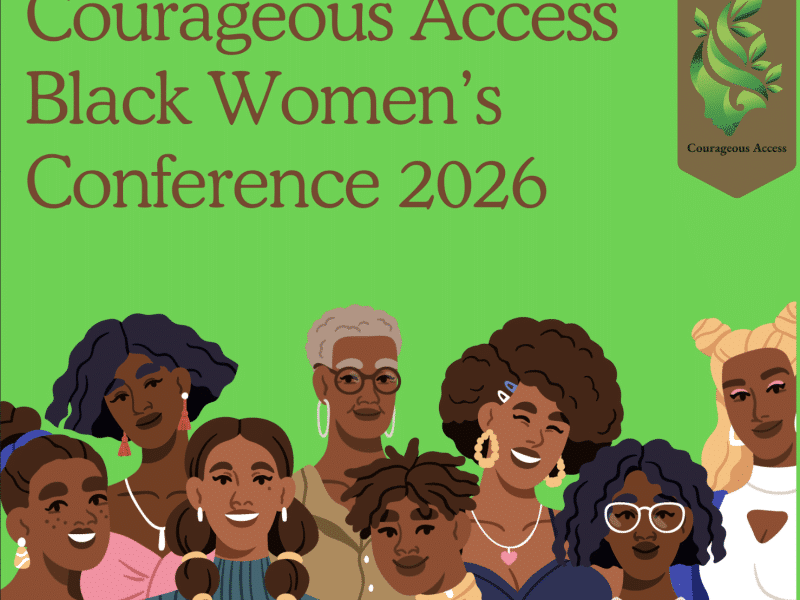
Inaugural Black Women’s Conference, promoting healing, awareness, empowerment, to be held in October in Chicago
The nonprofit Courageous Access, founded in Iowa, will host a conference for Black women, held in Chicago. Register today.
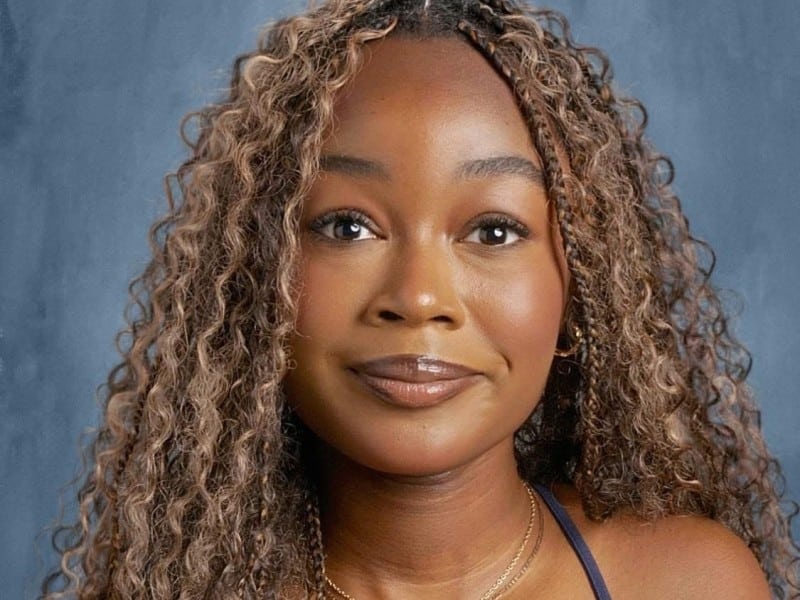
Toxic Braids? Study Finds Synthetic Braiding Hair May Pose Serious Health Risks to Black Women
Research finds carcinogens in synthetic braiding hair and Black hair products, raising new health concerns as Iowa faces rising cancer rates.

Heart to Heart — Docuseries raises awareness about Black Iowans’ heart health
A docuseries about heart health will be shown at 6 p.m. Thursday, Feb. 20, at Grand View University’s Viking Theatre.