
Heart to Heart — Docuseries raises awareness about Black Iowans’ heart health
A docuseries about heart health will be shown at 6 p.m. Thursday, Feb. 20, at Grand View University’s Viking Theatre.
In 2017, 21-year-old Khalil Adams experienced serious heart problems, which caused a stroke and led to a heart transplant on Dec. 21, 2022. His mother, Tinika Roland, underwent genetic testing during her son’s health crisis, which revealed they carry a mutated gene that can harm the heart. Others in their family also have the gene, she said.
Her son’s experience inspired her to produce a docuseries to raise awareness about heart health, and she hopes an upcoming screening will encourage viewers to take steps to improve their heart health through prevention and genetic testing.
“We know about breast cancer, clinical screening and genetic testing, so that’s well known, but the cardiovascular clinical screening and genetic testing, I had never heard of,” said Roland, a heart health advocate and health equity consultant.

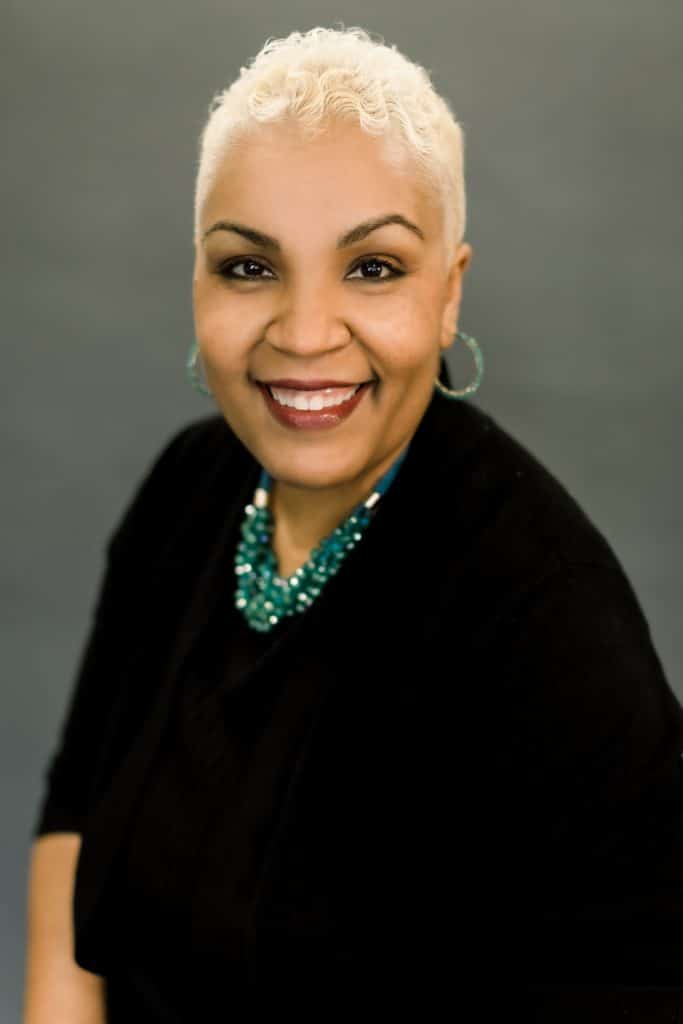
Photos: Khalil Adams, when he had an LVAD (left ventricle assist device), known as a heart pump, and his mother, Tinika Roland, a heart health advocate and health equity consultant. Photos courtesy of Roland.
The idea for the film originated during Roland’s fellowship with the Mid-Iowa Health Foundation.
“My spirit kept saying, ‘Tinika, you need to do a film about it. You need to do a series about it,'” she said.
The Heart Health Docuseries will be shown at 6 p.m. Thursday, Feb. 20, at Grand View University’s Viking Theatre. A brief Talk Back with the film’s storytellers will follow the event. The docuseries features Black Iowans affected by unexpected heart issues, including Roland’s son, Khalil Adams, Claudine Cheatem, Bo James, Melinda Tingle and David “DJ Hollywood” Burkett. The event also features clinicians Corey Lewis and Gabriel Kringlen; and Dr. Dennis Zachary and Dr. Hayley Harvey.

Saige Mayfield, a theatre arts major & professional communication minor, is president of Grand View University’s Black Student Union (BSU), which collaborated with Roland to host the screening during February’s Black History Month. Mayfield said via email the screening aligns with the BSU’s commitment to raising awareness about health disparities that disproportionately impact Black communities.
“Additionally, hosting this screening at a predominantly white institution (PWI) during Black History Month is especially meaningful. It creates a space for our community to share and honor our stories, while also fostering awareness and understanding among the wider campus,” she said. “At a PWI, it’s important that we amplify the voices of Black students, faculty and community members so that our history, struggles and triumphs are recognized and respected.”

Tinika’s Journey
These days, when Roland’s heart rate skyrockets, an implantable cardioverter defibrillator shocks her heart to stabilize its rhythm.
“This machine has shocked me 12 times in three years,” she said. “The last time it shocked me was in September of last year. It shocked me five times in a row.”
It’s traumatic, draining but live-saving, she said.
“I have irregular heartbeats, and that’s one of the reasons why I put this device in — because the alternative is sudden death,” she said. ” I’ve had family members that have passed away suddenly of heart attacks. However, we did not know at that time that it was genetic.”
She added: “Once I found out I’m at higher risk of sudden death or of having a heart attack or stroke, then I made the decision that I wanted to be able to save my life or prolong my life, and because of modern medicine, there are options, but we have to be able to have those discussions. We have to have the information first to see if we’re at risk. We may not be at risk just because our family is at risk. That may not be our story, but what’s the alternative?”
It’s American Heart Month
February is American Heart Month. According to the Iowa Public Health Association, high blood pressure, high blood cholesterol and diabetes are the top three risk factors for heart disease, which is the number one cause of death in the U.S., according to the Centers for Disease, Control and Prevention. Roland said a variety of factors influence heart health, including diet and stress. She said her research also found Black people are less likely to receive the proper medical care, genetic testing and medical devices like defibrillators.
“What we eat, our lifestyles . . . We know that the stress kills, and we know that epigenetics is real — that just being Black in America has impacted us, has caused stress,” she said.
Roland said it’s also not uncommon to see headlines about young student-athletes or celebrities who experience sudden heart crises from inherited heart diseases — or those who die suddenly — which is another reason she is pushing for awareness and the use of additional heart tests and genetic testing.
Viewers of Roland’s docuseries have told her the content has made them think about their heart health and their families, she said. One person told her the docuseries convinced her to have a heart test she had delayed, Roland said.
Roland wants people to think more about prevention and cardiovascular clinical screening, including echocardiograms, EKGs and genetic testing.
“We have all these different screenings, but a lot of people just don’t know about the cardiovascular screenings,” she said.
Thinking about heart health means thinking about one’s mortality, which Roland agreed many people don’t like to do. She said it’s important to consider the risks and then take action, which could include various options, including medication or devices. She said medical tests can be costly, but insurance may cover them.
“It’s not only about us, it’s about our family and our friends,” she said. “We can make the informed decisions.”
Advocate for yourself
Roland said medical providers have limited time with patients, and statistics show they tend to interrupt patients within the first eight minutes of a visit, which can prevent patients from sharing what’s happening to them. Her research found that 20 percent of patients leave their medical providers without knowing what to do next, she added.
“One of the things I always say is, be informed, be an advocate and survive,” she said.
She encourages people to take a notebook to doctor’s visits and ask health care providers to draw diagrams, if necessary. She wants people to get their annual physicals and ask for advanced testing, such as an EKG over a basic stethoscope.
The film touches hearts, Roland said. She hopes it also changes minds.
“The intention was not for people to shed tears, but people were shedding tears because some of the storytellers are so heartfelt,” she said.
The docuseries began filming in September 2023, and screenings were held last year at DMAAC, with a private screening held at Drake University. Roland wants to partner with other educational institutions and organizations to hold future screenings around the state and nationally.

Author

Related Articles
Toxic Braids? Study Finds Synthetic Braiding Hair May Pose Serious Health Risks to Black Women
Research finds carcinogens in synthetic braiding hair and Black hair products, raising new health concerns as Iowa faces rising cancer rates.

MercyOne partners with DART for Black History Month
MercyOne & DART launch a February campaign raising awareness of the Black maternal health crisis with resources

Advocates call on Iowa lawmakers to defeat ‘Cancer Gag Act’
Iowa has the second highest cancer rate in the country.