
Des Moines police used tear gas on peaceful protesters in 2020 — Kerwin Dobbins was there
EXCLUSIVE: Article series from Just Voices chronicles the George Floyd protests during the summer of 2020 in Des Moines.
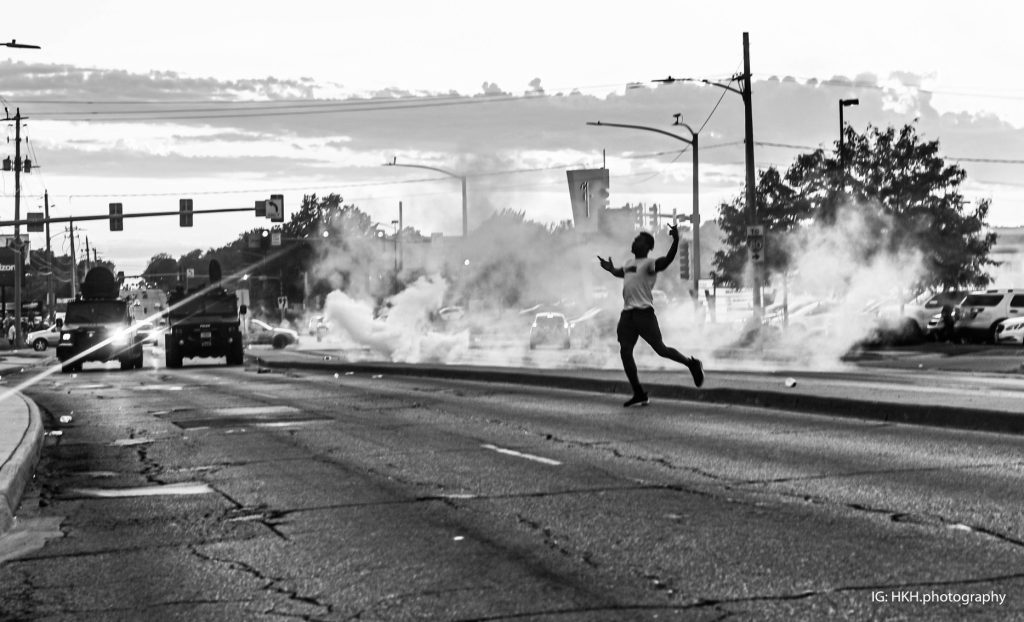
When Kerwin Dobbins served in the Army and Navy from 1987 – to 1993, he trained for combat including how to survive chemicals of war like CN and CS gas, commonly called tear gas. Soldiers like Dobbins had to know how to endure it and function under its crippling effects. Little did he know that nearly 30 years later, that training would come in handy on the steps of the Iowa State Capitol grounds when the Des Moines Police Department (DMPD) showed up to square off with peaceful protesters during the Summer of 2020.
He reflects on his military training.
“Digging into that kind of combat training mentality is where, you know, I first discovered the wonderful world of CN and CS gas. They used those gases on us during basic training, and later in the field, because that’s what we had a possibility of encountering in, you know, real combat situations.”
But this wasn’t combat, this was a protest on Saturday, May 30, 2020, at the Iowa State Capitol grounds with 300 people who felt compelled to gather after seeing the videotaped murder of George Floyd by a Minneapolis cop.
Dobbins is a graduate of Hoover High School, a father, ex-military, and a caring, soft-spoken Black man who loves helping others and making his own batches of home-brewed beer. He participated in a weekend of protests that summer and he was also prepared to assist with ground movement by protesters.
Friday, May 29, was the first day of protests that Dobbins participated in. This protest was held during the day in front of the Des Moines police station. He recalls his surprise at the large turnout.

“And my goodness, there was tons of people there, I couldn’t even put a count on it, but there was enough to fill the entire street in front of the Des Moines Police Department, and the stairs, and then with some people in the little grassy knoll across the street and on the bridge. And there were a bunch of speakers from different organizations and different groups. And it was remarkably well-organized. I was very surprised, I mean, how well organized it was, how fast they pulled that together.”
He remembers something else that surprised him: “There was no police presence, not at all.”
Dobbins and a few friends heard about another protest happening on the Capitol grounds the next night, Saturday, May 30, and they made plans to attend.
“So, we had heard about, I think we saw on television from the previous night, that there were people downtown and they were doing (destructive) things, and so we found out they were gonna do the same things. So, you know, I was nervous, as this one was at the Capitol. “
Dobbins remembers getting ready for the protest at the Capitol. “. . . We got dressed in our black clothes; we had goggles and facemasks, head coverings. I think my friend, Pete, brought out a bucket so that we could put it over any (launched) tear gas.“
The crowd was large again.
“It was pretty big, I would say at least 250 people, strung out as far as you could go without really running into the police, all the way back down to the street. There were people there with milk, and water with sodium bicarbonate in it; I mean that was the extent, and there were a couple people that were acting in a medic capacity. So, you could see there was more organization, and (the movement that Summer) just built from there.”
Protesters and Law Enforcement Engage
The police were prepared and perhaps over prepared. Des Moines police had not dealt with demonstrations of this size very often. Just Voices recently learned that the DMPD Crowd Control Policy had not been updated for 30 years, in fact. But DMPD, State Troopers, and other law enforcement were ready to defend the state capitol. Dobbins remembers the moments after he arrived.
“Some people had brought water, and I remember one guy had come up out of the crowd and just chucked this water bottle up at the police line. And about thirty seconds later, they took a united step forward. Which spooked a lot of people and angered a lot more. So, we took a step forward. And then they took another step forward. And then we took like two or three steps forward. And you know, you I just hear somebody saying “Hold the line, here it comes.” And they just, they dropped the tear gas right on top of us. And that just caused, just chaos! And people tried to—some people tried to run, you know. Some people that had gloves on threw the tear gas back. Law enforcement had their masks deployed, obviously, and they had their riot shields, so they weren’t too scared.”
“So, imagine that flash bang going off. It’s like standing next to a live firework you’d see at a fireworks show. It’s a flash bang, and then, boom, and then gas. And it’s enough to really, really spook most people.”
The DMPD and other law enforcement reacted to the crowd’s determination by responding with tear gas to force dispersal, and it worked. Dobbins recalls:
“It wasn’t pleasant. I was used to it, because — both Pete and I were used to it. We both got hit with CS and CN during our military trainings. But that first volley spooked a lot of people — it’s supposed to disperse people and it worked. For a while. People ran back down the stairs to the street. There weren’t that many medics there but I remember nobody got trampled in the retreat. Yet some people tripped and fell trying to get away. And I remember this girl was bleeding, she had skinned her knees up pretty well . . . She had these shorts on with flip-flops.”
The event affected him.
“You come across that kind of force, I mean — for me it was triggering, a little bit. The booms. Especially and it being at night. And just all you could see for blocks around was tear gas. And I think somebody, a couple people, got shot that night too, with rubber bullets, as they tried to flank the police; maybe for a distraction,” he said.
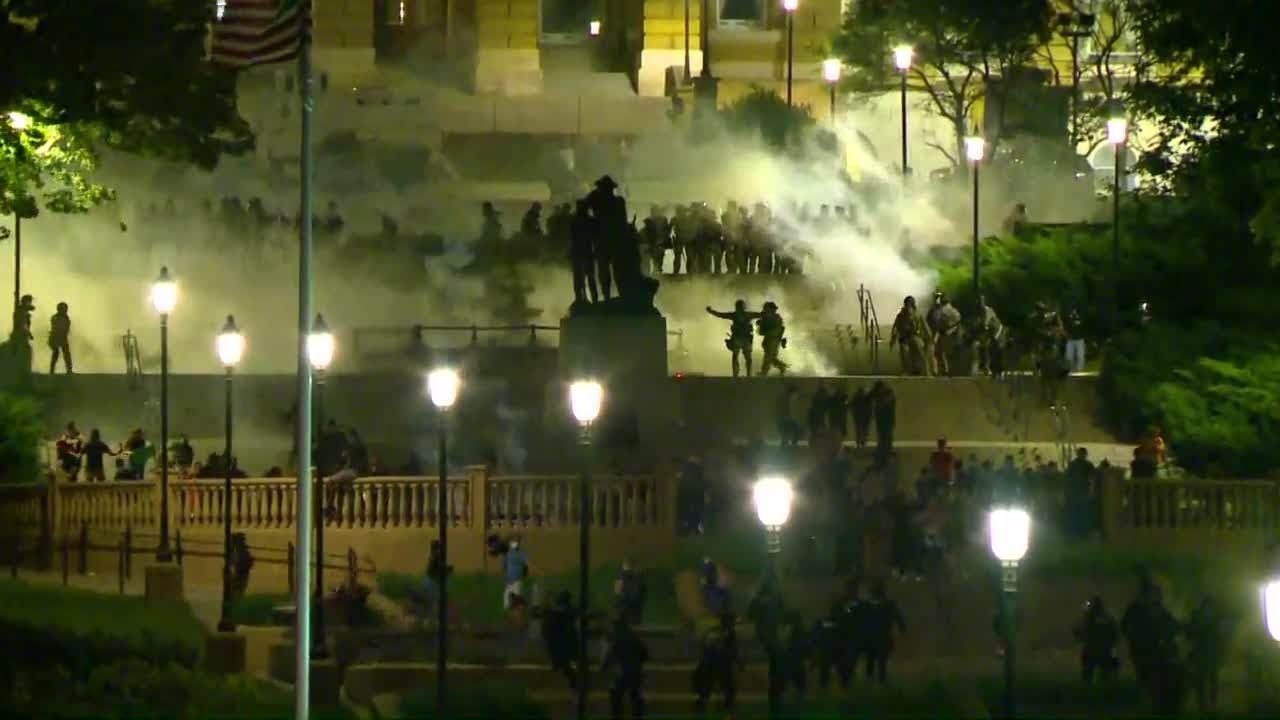
Protesters Flee Tear gas but Regroup Later
Law enforcement had accomplished their goal of forcing the protesters to flee. People ran in every direction, but some folks regrouped as they headed west, away from the Capitol grounds. According to Dobbins, “Some people regathered other places. So yeah, there was a group that, we tried to stay together, just for safety in numbers. And we were going, I forget what street, maybe it was Court Avenue that we were marching down. So, I started, I led a chant going down Court Avenue. It was one of the ones that we ended up using a lot during the BLM protests. Hey, hey, ho, ho, these crooked cops have got to go. Hands up, don’t shoot.”
The small group Dobbins became part of, he remembers as, “probably about 50 people. We picked up stragglers along the way. But the Des Moines Police Department was coming down the street as well.”
This “cat and mouse” chase continued with the DMPD doggedly pursuing this small pod of protesters who were fleeing the Capitol grounds.
“We had turned and went back up, come back up, like Walnut Street — either Walnut or Locust. And they had met us, I believe at the top or at the end of the bridge. They were standing there. And so, we were at one end of the bridge and they were at the other. And I remember they had the street blocked off with their cars. And then they were — I don’t know, there was probably about twenty of them. I remember we went toward them just to see what they would do, and they didn’t do anything. It was just like before at the Capitol. And then they started, like marching fast. And then they deployed tear gas at us again. So, we just ran again. And I remember half of us kept going, like all the way back down. It must have been Locust.”
Kerwin Looks Back on That Protest Moment
Looking back on that warm summer night, and what he endured, Dobbins looks at his experience from a bigger perspective, reflecting on the plight of Blacks in America historically. He initially had violent thoughts of retribution in his mind, but he didn’t give in to them.
“I have to be honest with you, when we were at the Capitol, I was feeling pretty, like violent. And part of me wanted to (expletive deleted) up the Capitol. And I guess in hindsight I think I may have had like a regret about that if it were to have happened. I mean, because yes, it would have sent a message. But, I mean, they’re just gonna fix any damage. You know? And it’s gonna to cost taxpayer money to do it. So, I mean, what were we out to accomplish outside of letting people know how upset we were? And just basically venting.”
He continues. “We’ve gone through 400 years of police oppression starting with the people that rounded up the slaves, then that evolved into what I think of as our Sheriff’s Department today. And then just an all-around, through the course of time, just disproportionately affecting people of color. And so, because (white people) don’t have that experience, there’s no way they could understand. The only thing that we want from them is empathy.”
The Bottom Line for Kerwin
“So, I guess for me, it’s that I’m tired of being tired. And I think that’s what, the rest of the people there felt, too. And, you know, some people were just being good allies. But some people were just being straight mischievous. Personally, I didn’t want to hurt anybody’s private property.”
After that intense summer, Dobbins became more committed to helping marginalized communities through his volunteer work with mutual aid. “Mutual aid is . . . well, it’s not a handout, it’s not charity. It’s just helping people just get by in their day-to-day lives. You know, on issues like hunger and houselessness, definitely criminal justice, and criminal justice reform. I remember how happy I was when the bail fund was set up. You know, getting people home to their families, or just home so that they could get set up for their court appearances without having to meet with their attorney in jail,” he said.
Kerwin Shares His Thoughts on True Police Reform
“Well, people talk about “bad apples.” And I think it’s really, really true. I mean the analogy is there for a reason. A bad apple will spoil the whole bunch. This is gonna sound out there, but I think it’s gonna take a complete dismantlement of the criminal justice system as we know it. I mean from the local police department up to the U.S. Justice Department. You’ve got white supremacists in positions of power, and those need to be rooted out. Absolutely and without prejudice.,” he said.

Author

Related Articles

Polk County to launch its first warrant resolution clinic
The CJCC joined forces with various organizations to help Polk County residents resolve their non-violent warrants.
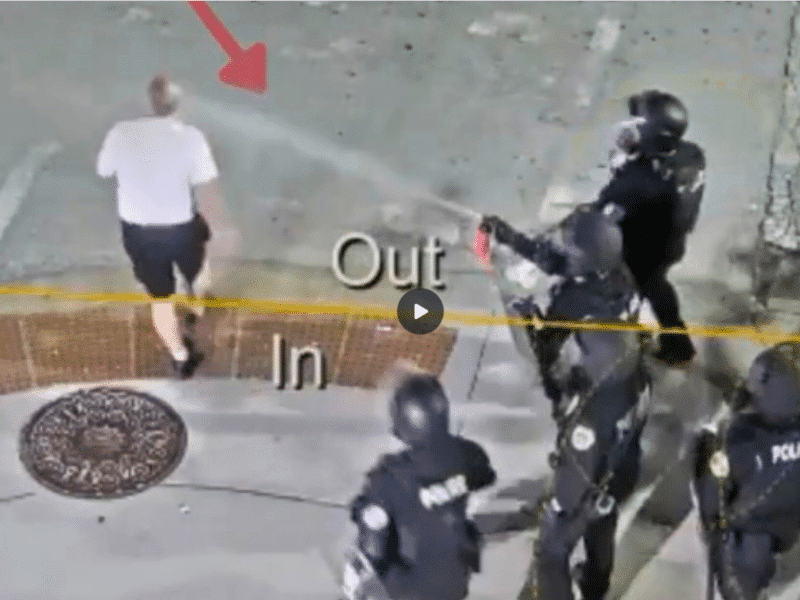
Des Moines police use-of-force reports from 2020 George Floyd protests subject of new Just Voices’ review
Just Voices will release a series of essays centered around the Des Moines Police Department’s use-of-force reports during the 2020 George Floyd protests.
The Rest of the Story: A look at a high profile leader and the lawsuits behind the 2020 George Floyd protests in Des Moines
Volume 2 of “The Peoples History” will be available soon and detail the impact of the 2020 George Floyd protests in Des Moines, Iowa.