
Experts say mentorship is contributing to the growth of Black-owned businesses in the U.S.
What is driving the rise in the number of Black-owned businesses in the U.S.? Experts weigh in.

According to the latest census data from 2023, the number of Black-owned employer businesses in the U.S. surpassed 200,000 for the first time in recorded history, and between 2017 and 2023, Black-owned employer firms grew by 62 percent.
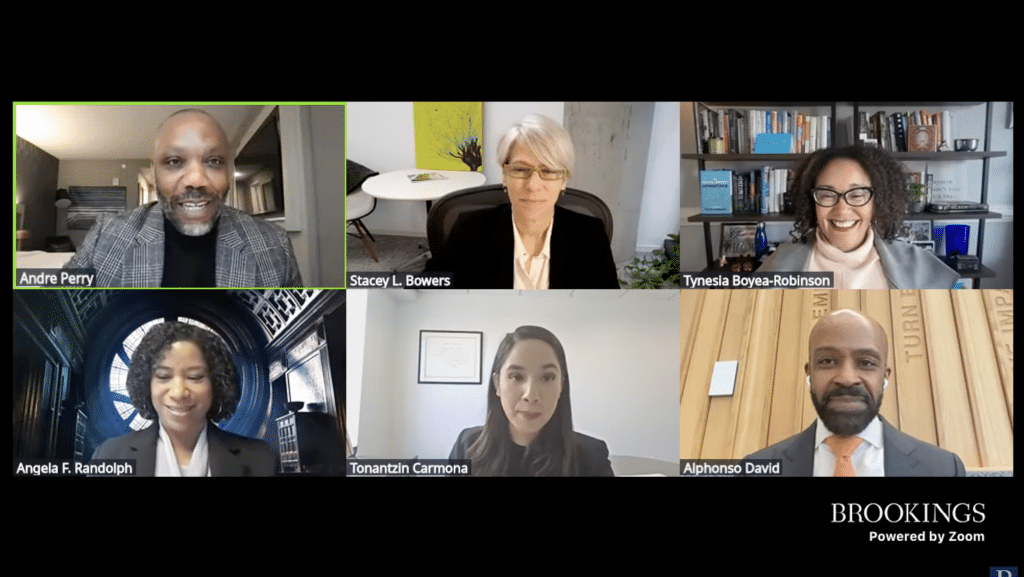
Brookings Metro, a nonpartisan research program focused on providing data-driven policy ideas to encourage city and regional officials to create more inclusive economies, held the webinar, “Rise up economics: Why local Black business growth is powering national trends.” Experts emphasized the impact of local Black businesses on the nation. Stacey L. Bowers, senior counsel at Michael Best, pointed out during the event that mentorship is a significant contributor to the growth of Black-owned businesses.
“I think that the more businesses we see being founded by Black owners creates more ability for people who are thinking about [starting their businesses] to seek out that mentorship,” Bowers said. “Because one of the things that holds true is that when you have a strong mentor . . . people you can turn to when you’re starting a small business, you’re much more likely to be successful as you head down that path.”
Iowa has approximately 11,336 Black-owned businesses, according to the U.S. Small Business Administration.
Black women, who are experiencing high unemployment nationally due to the rollbacks of diversity, equity and inclusion and other factors, are also affecting the number of new Black businesses, research shows
Tynesia Boyea-Robinson, president and CEO of advisory firm CapEQ, moderated the conversation between the speakers, who all work at the intersection of policy, racial equity and economic development.
Speakers during the webinar highlighted the critical role Black-owned businesses have in local economic growth, fostering community stability and bringing attention to the successes of local Black business owners. Angela Randolph, associate professor of Entrepreneurship at Babson College, spoke about the ripple effects of Black entrepreneurship on the nation and future generations.
“Having Black entrepreneurs and seeing that business growth is tied to seeing role models,” Randolph said. “We’re talking about generational wealth and how that translates to legacy, not just in our immediate family, but in those that Black entrepreneurs get to meet and the social cohesion it creates whenever a community gets to be a part of building a new business.”
More data is needed to gauge the progress that is being made. From education to health and accessibility, data gaps are something Bowers and Tonantzin Carmona, a fellow at Brookings Metro, agreed is an ongoing problem. Carmona highlighted the current instability that entrepreneurs are experiencing.
“Right now there is a lot happening at the federal level from tariffs, how that affects small businesses, their ability to plan, hire and expand,” Carmona said. “Changes are also happening to 7(a) and 8(a), which are programs that minority entrepreneurs rely on. You have to zoom in at the local level as well. How are [local small businesses] responding? These are all things we need to think about.”
According to the Center for American Progress, which works to advance progressive policy across a variety of issues, small-business importers paid an additional $25,000–$37,000 per month, totaling over $300,000 annually for many. Alphonso David, president and CEO of Global Black Economic Forum, explained the need to prioritize the growth of these businesses and how they can support themselves during difficult situations.
“We need to figure out more concrete ways where we can support these firms and their practices,” David said. “Litigation is an important tool that we’re using throughout the country to push back against public officials who are seeking to dismantle diversity, equity and inclusion, or dismantle equal opportunity, or to dismantle free enterprise. These are all concepts that ultimately go and undergird our business community.”
The speakers vocalized what they think could be done to mitigate the problems small Black businesses face. From reaching out to their communities to seeking resources and supporting one another, there are various ways entrepreneurs and business owners can grow as individuals and in their craft. Andre Perry, senior fellow and director of the Center for Community Uplift at the Brookings Institution, said everyone deserves equal opportunities and access to resources to help their businesses thrive.
“People are taxpaying citizens of this country. They should have equal access to the opportunities that are presented, particularly those regarding procurement and contracting,” Perry said. “I’ve always had a view that the role of the government is to be an anti-discriminatory agent to remove the racism that keeps people from having the opportunities that they deserve.”
Perry continued, “We need an opportunity to participate in free markets. Our goods and services are just as good. You’re hurting the economy when you don’t throttle the discrimination that clearly exists.”
To watch the webinar held last March, click here.
This story appears in the May edition of the Black Iowa Newspaper.
Author

Related Articles
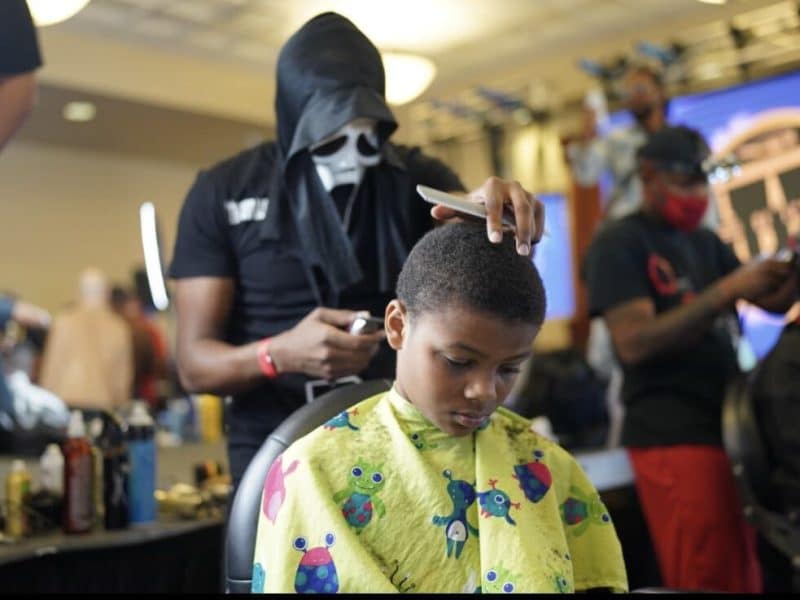
Clash of the Clippers: More Than a Barber Competition
Clash of the Clippers spotlights Iowa’s Black barbers, celebrating their artistry, entrepreneurship and cultural influence through competition and community connections.
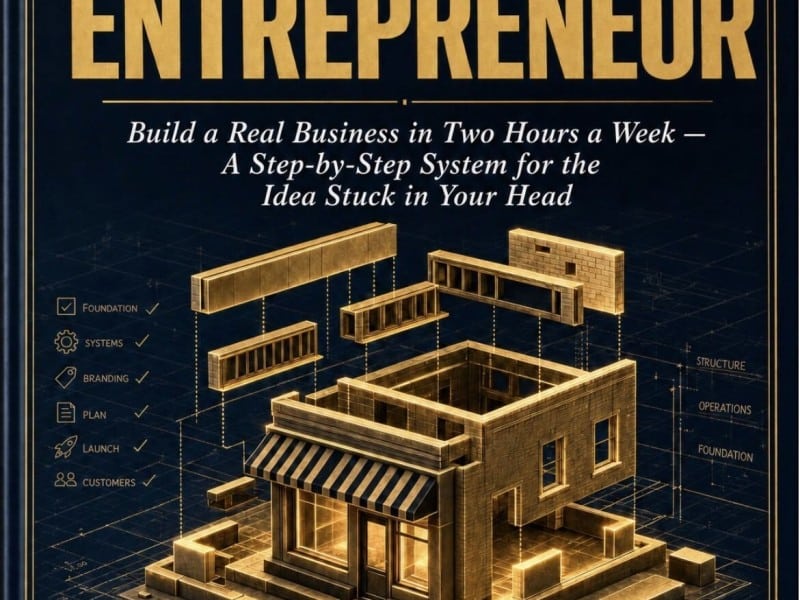
No Time to Start a Business? Ken Chester Says You Need Just Two Hours
If you had just two hours a week, could you turn your business idea into reality? A Des Moines entrepreneur says yes.
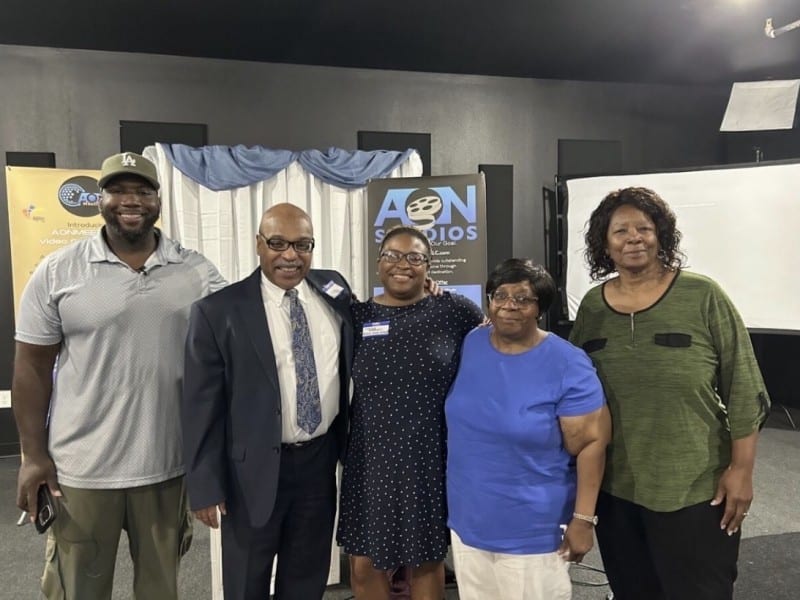
Quarterly business roundtable showcases small business owners of color in Des Moines
A quarterly virtual networking event based in Des Moines, Iowa, brings together aspiring small business owners of color.