
Common ground in a divided time: Iowa honors late Civil Rights icon Rev. Jesse Jackson
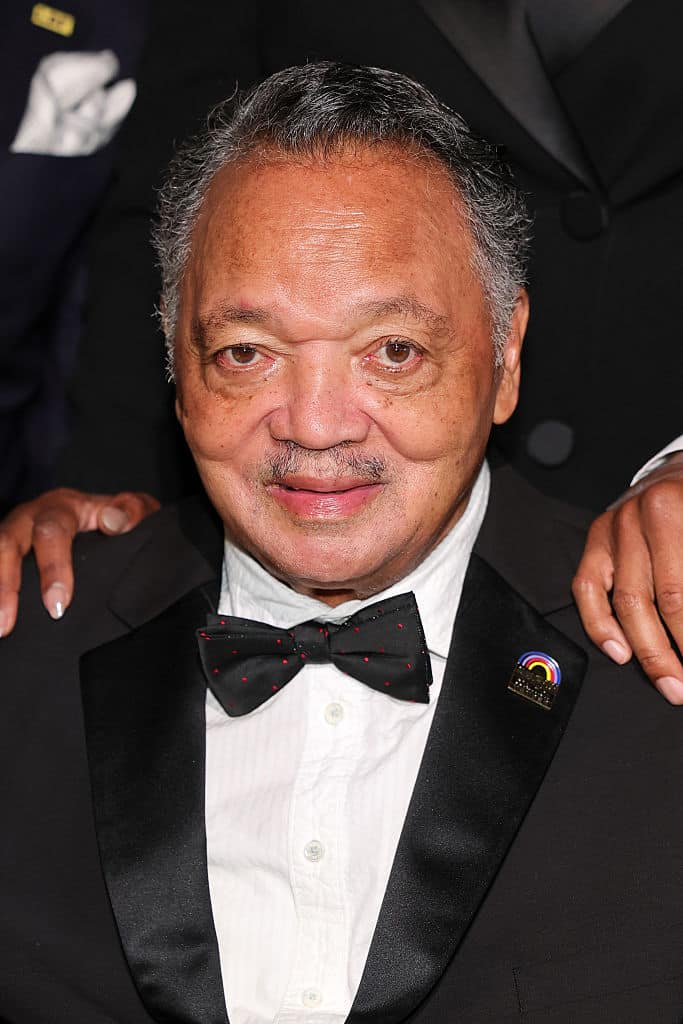
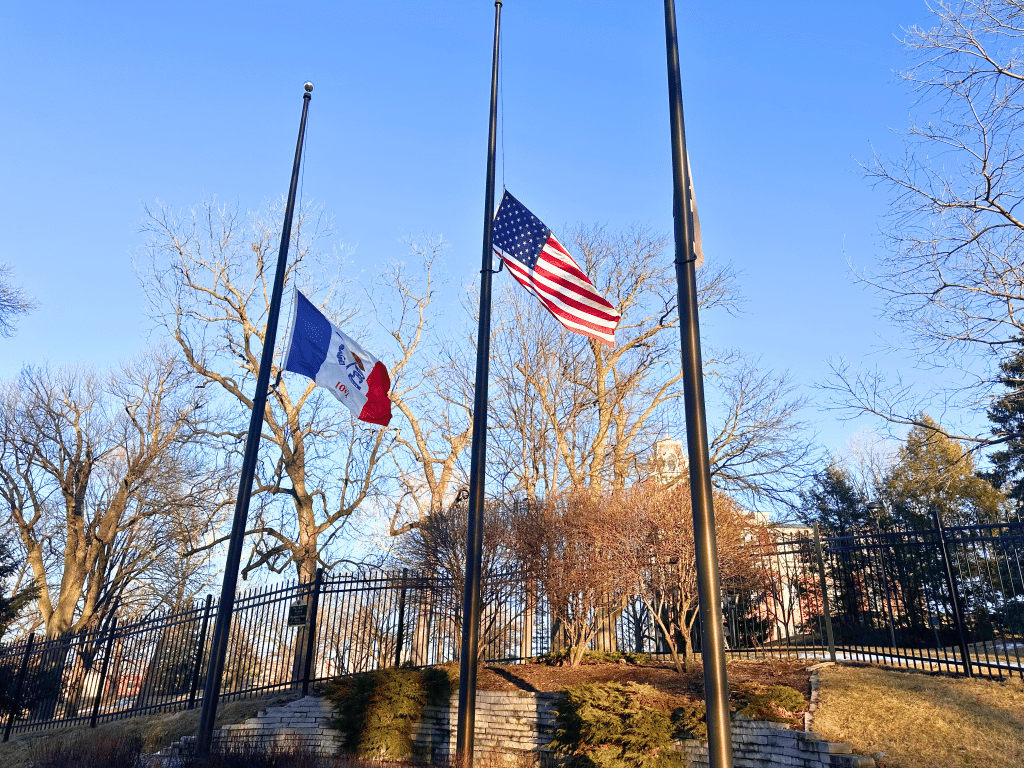
As Iowa lowers its flag in honor of the late Rev. Jesse Jackson, we should pause — not just to remember the man — but to remember our own history.
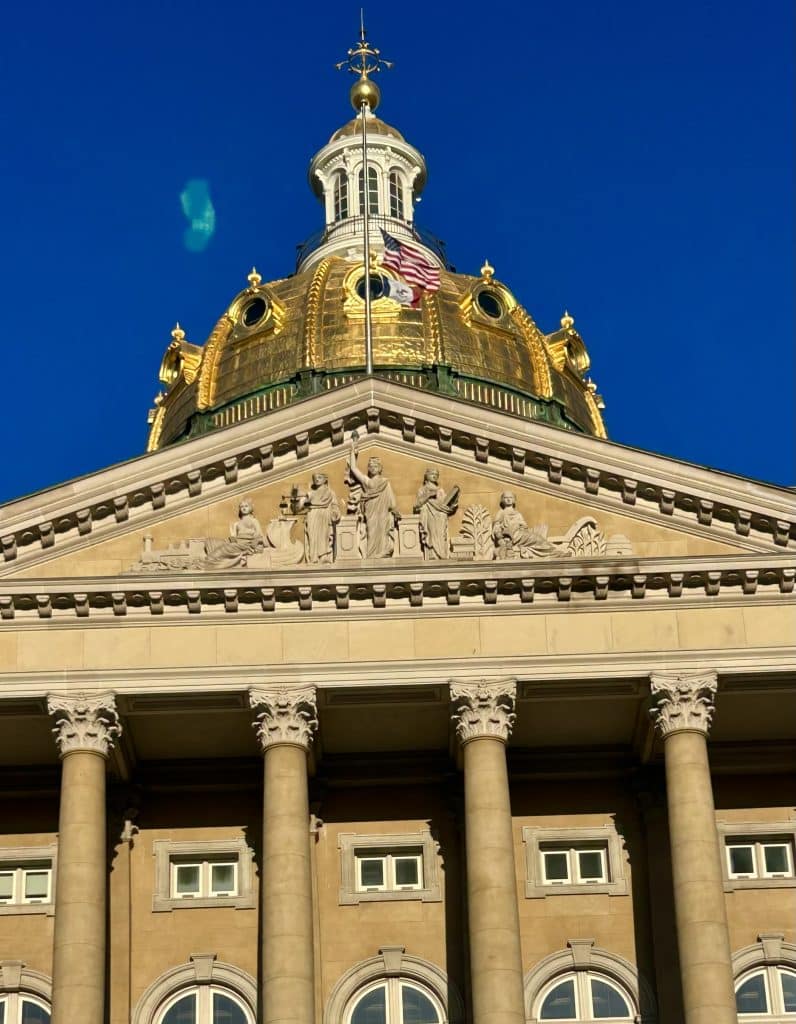
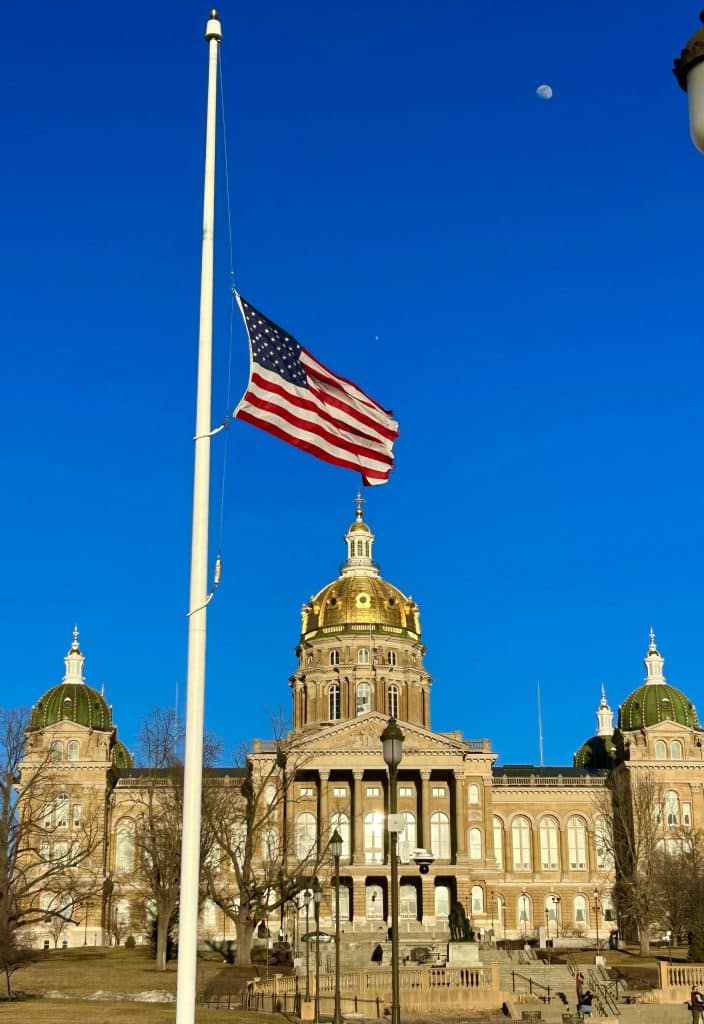
Gov. Kim Reynolds ordered the flags of Iowa to be flown at half-staff in recognition of Jackson’s life and legacy. He died on Feb. 17. Several other states have done the same — including Illinois, New York, Connecticut, Delaware, Minnesota, Michigan, Pennsylvania, North Carolina and Kentucky. Many of those states have long been considered Democratic strongholds.
Iowa, a state that has leaned more Republican in recent elections, joins that recognition. That matters. Because Jackson did not simply pass through Iowa. He invested here.
In 1984 and again in 1988, when few believed he had a viable path to the presidency, Jackson campaigned hard in this state. He opened an office in Greenfield. He traveled across Iowa numerous times. He built relationships. He believed Iowa was worth the effort.
In 1988, he finished third in the Iowa Democratic Caucuses — a fact many have forgotten and some never knew. At a time when a Black presidential candidate was often dismissed as symbolic, Iowa voters placed him competitively in the field.
That same year, Jackson participated in our Brown & Black Presidential Forum during the Democratic nomination contest — engaging directly with Iowa voters as part of the caucus process.
Years later, Barack Obama would not only begin his presidential rise in Iowa — he won the Iowa Democratic Caucus in 2008 — demonstrating that Iowa voters were willing to support transformational leadership.
That, too, is part of Iowa’s story.
Perceptions can sometimes be narrow. Iowa is often described in simplified political terms. But history tells a fuller story. This state helped elevate Jackson. It helped launch Obama. It was the first state in the nation to pass racial impact statement legislation — an idea many believed would never emerge from here.
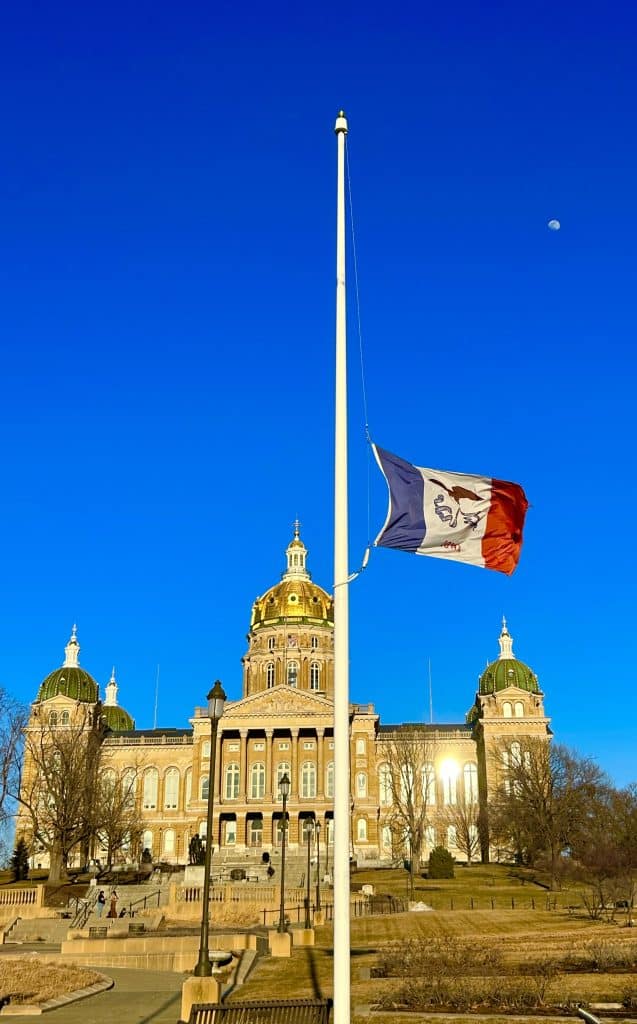
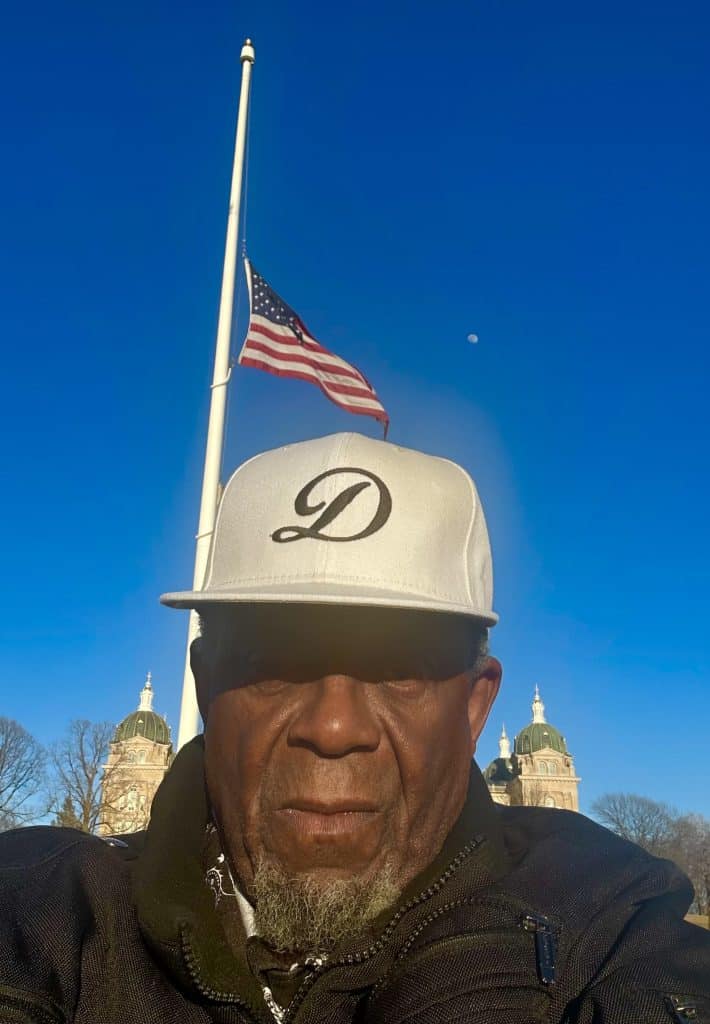
Iowa has surprised people before.
Lowering the flag in honor of Jackson does not erase political differences. It does not settle debates over education policy, diversity initiatives, or the direction of the state. Those conversations continue.
But leadership also requires intellectual honesty.
When elected officials take actions that reflect respect for history and participation in democracy, that deserves acknowledgment.
Across the country, governors from Michigan and Minnesota to Kentucky and Pennsylvania have ordered flags lowered in recognition of Jackson’s life and legacy. Memorial services are being organized in Chicago and other major cities as leaders reflect on his decades of civil rights work. Iowa’s action stands within that broader national moment — yet it carries its own distinctive history because Jackson invested here, campaigned here, and helped shape Iowa’s political memory.
Jackson stood for expanding who gets a voice in America. He believed the democratic process should include those who had long been excluded. Iowa played a role in that expansion.
By lowering its flag, Iowa recognizes that history.
And in a divided time, finding common ground where it genuinely exists is not weakness — it is maturity.
Respect where it is due.
Continue the debate where it is necessary.
And remember that democracy is strongest when participation is honored.
“A central figure in America’s civil rights movement, Reverend Jesse Jackson advocated for peace, justice and equality and helped reframe the conscience of our country,” Gov. Kim Reynolds said, in a press release. “His legacy will continue to inspire generations of Americans.”
Pick up a copy of the Black Iowa Newspaper

Related Articles

Grab the latest edition of the Black Iowa Newspaper
The Black Iowa Newspaper was established in 2023 by Dana James, founder and publisher. Monthly editions are delivered statewide.

The government is out to get us: ‘They want us penniless, powerless and voteless in chains’
“Ask not what your country can do for you — ask what you can do for your country,” JFK famously said. But what happens when your country appears out to get you?
OPINION: Valentine’s Day gunfire and the Midwest crossroads
Be heard. Share your opinion with Black Iowa News. Email your unpublished piece to dana@blackiowanews.com.