
Black Iowa farmers to gather for inaugural Iowa Farmers of Color Conference
A Black Iowa farmer is the driving force behind the Iowa Farmers of Color Conference that will be held on Dec. 16, in Des Moines.
Todd Western III is a sixth-generation Black Iowa farmer whose ancestors purchased their freedom from enslavement in Virginia, navigated the Underground Railroad through Ohio and then purchased more than 160 acres in Iowa in 1864, which began the family’s nearly 160-year farm legacy, he said.
In 2022, Western’s son, Todd Western IV, an urban farmer who began researching farming history, sent him videos about the tragedies of Black farmers.
“I had no idea because as a farmer, particularly a Black farmer, you just think you’re the only one — especially in Iowa,” he said. “And so I learned that 12% of farmers in 1944 were Black. Now, 1.4% are Black, and so then you realize we have something special.”

Now, Western is on a quest to find, unite and help Black farmers throughout the Midwest — and others. He said he’s located nearly half of the nine Black farmers in Iowa that he knows about. That’s why Western created the inaugural Iowa Farmers of Color Conference to provide a place for Black Iowa farmers, big and small, to connect, collaborate and learn from each other. The free event will be held from 9 a.m.-4 p.m. Saturday, Dec. 16, at Jasper Winery in Des Moines. The day will be filled with speakers and discussions on topics such as succession planning, taxes, financing, resources and the future of farming. A social gathering will be held from 4 p.m.-6 p.m.

Speakers include DeWayne Goldmon, senior advisor for racial equity for the U.S. Secretary of Agriculture, which is former Iowa Gov. Tom Vilsack, and Darrell Tennie, CEO of the Tennie Group, who is an organizer of the annual Harvest Ball, an outreach event “custom-designed to meet the needs of minority farmers.” which Western had attended in Raleigh, North Carolina.
“This is a baby of mine that I’ve been working on for about two years,” Western said, of the upcoming conference. “I’m just so happy that it’s coming to fruition. This is definitely a seed I planted, and I’m trying to grow it.”
Western and his siblings grew up immersed in urban and rural life.
“I always say I had the best childhood because I had city life in Waterloo, and I had farm life,” he said. “I could be in school clothes, I could be in farm clothes, I could be in a suit because my mom was singing in an opera somewhere.”
After Western’s grandfather died in 1974, his father, who worked at John Deere in Waterloo for 41 years as a process engineer, and his mother, a music teacher and opera singer, took over the family’s 160-acre farm in New Sharon and they purchased another 40 acres near Waterloo. After his father died in a bike accident in 2008, his mother, Barbara, led the family’s efforts over the years to make the business more efficient and profitable, he said.
Western said all people have farming as a part of their culture, and Black people should also feel proud of their ancestors’ contributions to the history of farming in the U.S. and their agricultural roots.
According to the Legal Defense Fund, which fights for racial justice, Black farmers have long experienced systemic discrimination, and land loss has contributed to the Black wealth gap. Black farmers were also disproportionately shut out of USDA loan programs, according to an analysis by NPR.
Author
Related Articles
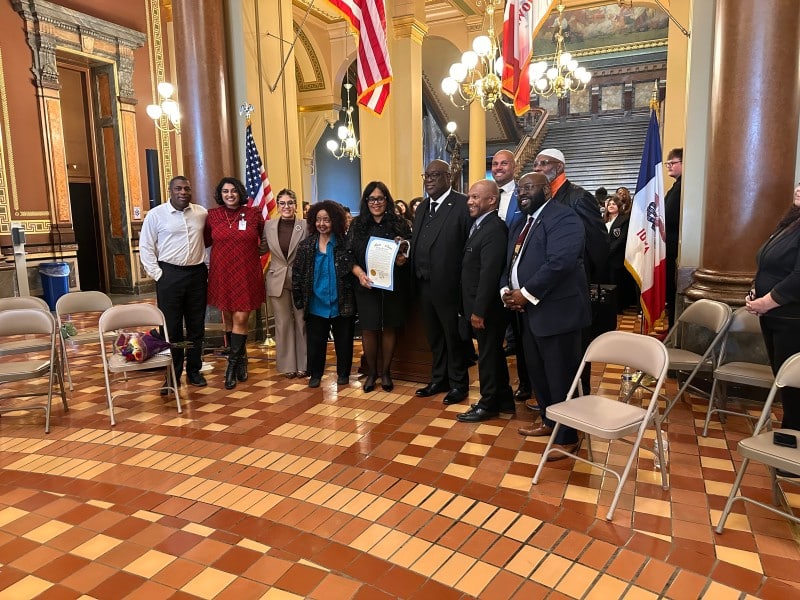
Black History Month program draws crowd at the Iowa Statehouse
Black Iowans flocked to the Iowa Capitol on Feb. 26, 2026, to celebrate Black History Month. The theme: Policy to Power: From Advocacy to Action.

The Power of Art: Sioux City NAACP commemorates Coretta Scott King during Black History Month
Sioux City NAACP hosts free Coretta Scott King program with live narration, music and Civil Rights storytelling at Morningside University.
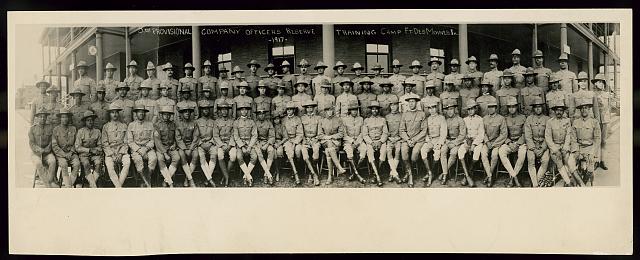
Historical marker unveiling in June to commemorate Fort Des Moines’ Black officers
A marker unveiling ceremony will be held at 1 p.m. on June 14, at the Fort Des Moines Museum and Education Center in Des Moines.