
‘Ordinary people’ who changed the course of history featured on Iowa Civil Rights History podcast
Erick Nganyange’s love of history shines in the Iowa Civil Rights History podcast. Check it out on Spotify.
When Erick Nganyange asked people “born and raised in Iowa” about Alexander Clark, their answers surprised the podcast host.
“About eight out of 10 didn’t know who Alexander Clark was,” he said.
Nganyange told a small audience at the Iowa Fort Des Moines Museum and Education Center in Des Moines that two of his podcast episodes cover Clark, an important Black historical figure, whom he considers a hero.
“There’s a lot more about his life and his family legacy, and we don’t know much about his wife, Catherine,” said the host of the Iowa Civil Rights History podcast.


The accountant and self-described history junkie who enjoys thoroughly researching historical figures told a friend he was surprised more people weren’t talking about Clark and others, and his friend issued him a challenge to fulfill the role. That led Nganyange to create his podcast. He said historians describe Clark as the “second most influential Black man in the history of the United States in the 19th century.” Right up there with famed abolitionist Frederick Douglas, he said. Clark was born free in 1826 in Pennslyvania and moved to Iowa at age 16 in 1842. Clark racked up astounding accolades:
- Clark and others petitioned the Iowa Legislature in 1855 to repeal a law prohibiting “the immigration of free Negroes into this State” before the Civil War.
- Clark organized what came to be known as the 60th U.S. Colored Infantry of 1,100 Black soldiers from Iowa and Missouri and served as a sergeant major.
- In 1867 when his daughter, Susan Clark, was prevented from attending a white school, Clark sued the Muscatine School District. The Iowa Supreme Court ruled in 1868 that all children could attend a common school, which preceded the U.S. Brown vs Board of Education case in 1954, which desegregated American public schools.
- In 1869, a state convention appointed Clark a delegate to the Colored National Convention in Washington, D.C., where he met President Ulysses S. Grant, who offered him an appointment as ambassador to Haiti in 1873. Clark rejected the offer due to the small salary.
- A father of five, his son Alexander Jr. became the first Black person to graduate with a law degree from the University of Iowa in 1879. Clark himself became the second Black man to earn a law degree from the school in 1884.
Episode ideas spring from things Nganyange reads, and his followers send him tips. Nganyange described the technical aspects of compiling his podcast episodes at the museum last fall. The easiest part of being a podcast host is the interviews, but it’s hard to edit two-hour conversations down to 45 minutes. He enjoys delving into history and sharing it with others.
“Sometimes small actions from ordinary people can change the course of history, and I want to find those people and kind of highlight their stories,” he said.
Editor’s Note: Black Iowa News Founder & Publisher Dana James appears on this episode of the Iowa Civil Rights History podcast.
This story first appeared in the winter edition of the Black Iowa Newspaper.
Check out these Bingeworthy Black Podcasts:
- Iowa Civil Rights History
- Inside Black Iowa
- Black & Priveleged in America
- Breaking Barriers, the “DEI&B” podcast by Top Rank
- Being Heard: 2 Black Women, Coffee & Conversations with Lya & Dana
- Babylon Makes the Rules
- This is not my show
- The Healthy Project and Coffee Can’t Fix Everything
Listen on Spotify, Apple, YouTube, Substack and other podcast platforms.
Author
Related Articles
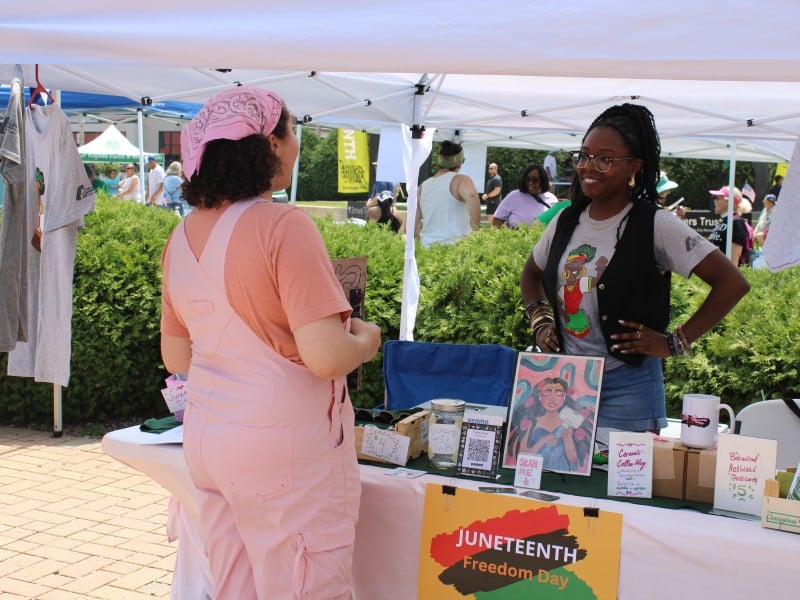
‘Community’ at the heart of celebrating Juneteenth in Iowa
Large Juneteenth celebrations will happen in Cedar Rapids, Des Moines, Waterloo, Davenport and Ottumwa on Saturday, June 20.
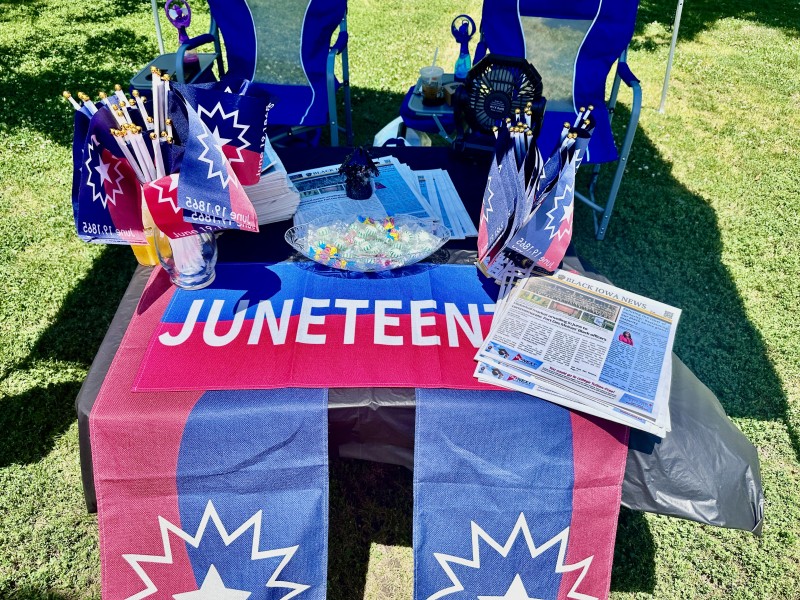
Your guide to Juneteenth in Iowa: 25+ celebrations to explore across the state
Discover Iowa’s Juneteenth celebrations, including performances, history, music, food and more. Share this guide with your family and friends.

Quad Cities African American Resource Directory launches
Looking for a business in the Quad Cities area? A new resource makes your search easier.