
REFLECTIONS: From Urban Dreams to the Airwaves: KUCB’s Legacy, KJMC’s Stewardship and a New Crossroads for Des Moines Radio, After Sale of KJMC
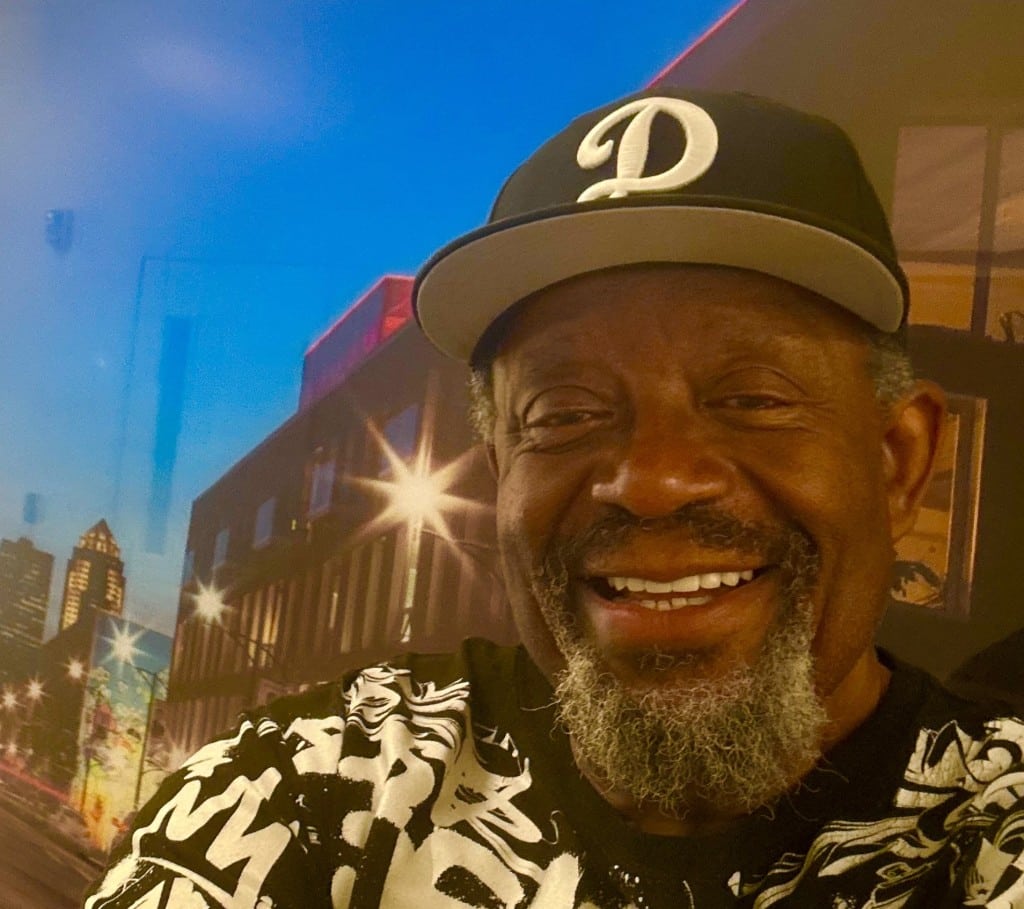
Wayne Ford reflects on the loss of Des Moines’ Black radio station KJMC and his time in radio.
I didn’t set out to run a radio station. I set out to serve a city.
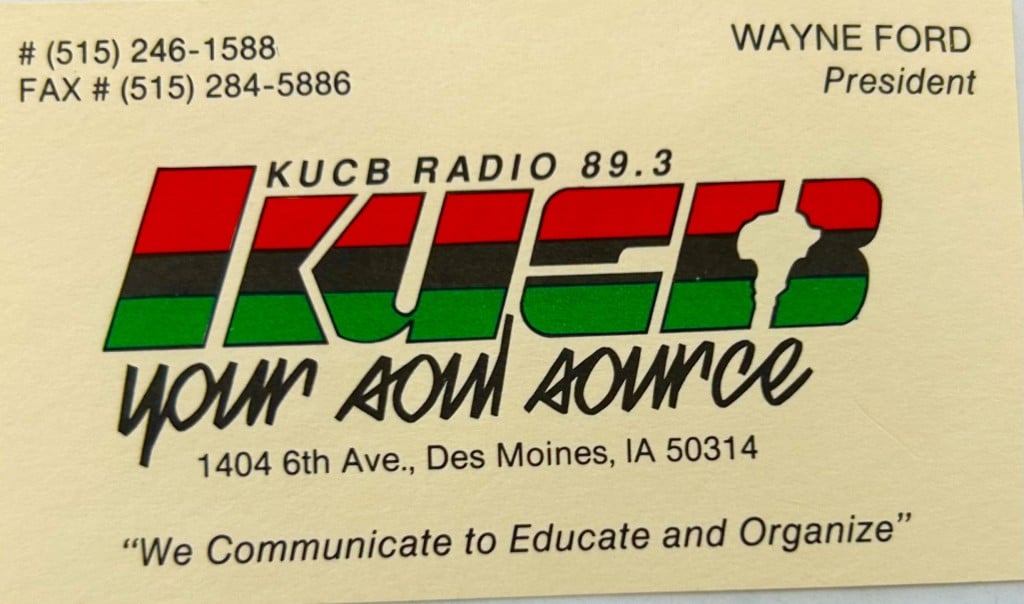
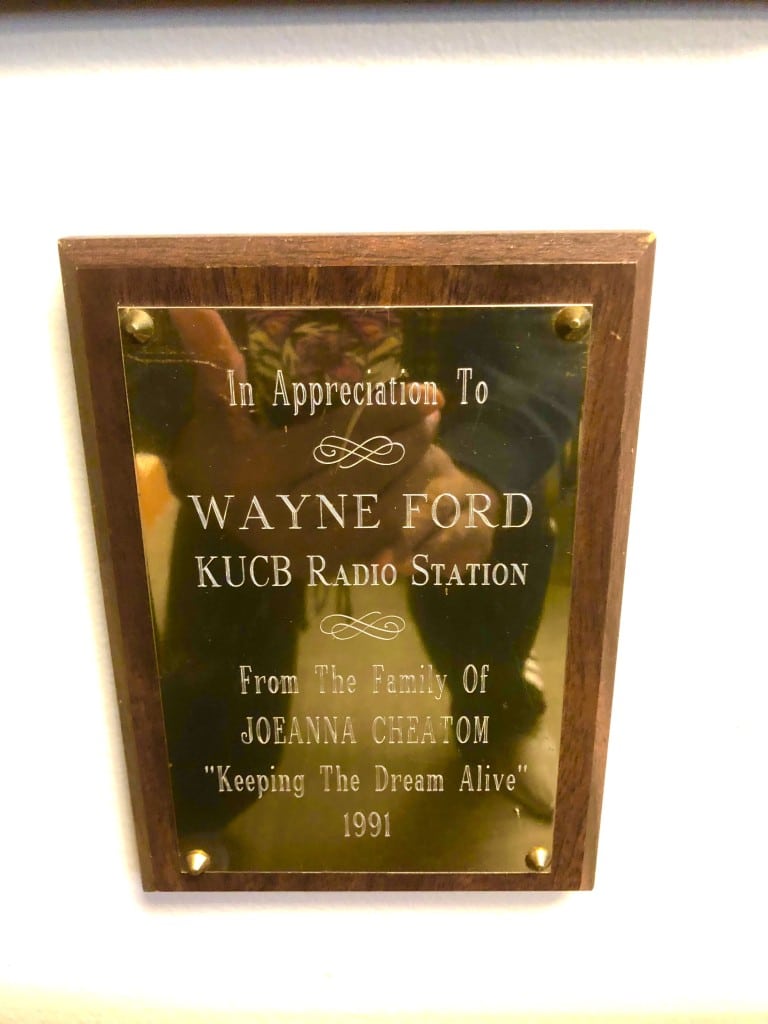
In the late 1980s, Urban Dreams — the nonprofit I founded on the corner of Sixth Avenue in June 1985 — was humming with programs, partnerships and possibilities. That work got noticed. Charles Knox and Joanna Cheatham of the Black Theology Center came to me with an uncommon request. They had followed Urban Dreams closely, and their board believed I could extend their mission of Black spiritual and cultural empowerment on the airwaves. They asked me to serve as president of KUCB-FM, Des Moines’ first Black-owned and Black-operated radio station.
That invitation was more than a title. It was recognition of the trust the community placed in me. It also became a turning point that raised my visibility across both Black and white communities — and in time helped pave the way for my election in 1996 as one of Iowa’s first Black legislators.
KUCB: A Community Pulpit
When I accepted, I made a strategic move: placing KUCB’s studio right next door to Urban Dreams. Together, the nonprofit and the station became an inner-city hub — a place where civic programming and cultural broadcasting strengthened one another.
From the beginning, KUCB was more than a playlist. It was a community pulpit. We ran Gospel Sundays, hosted what we called “Heavenly, Extraordinary Talk” shows, and trained a new generation of DJs. For many, it was the first time they saw themselves behind a microphone. Some of those voices would go on to national markets: Atlanta, Hollywood and beyond.
But the station was also a first responder of a different kind. When a baby was lost, KUCB went live to provide space for grief and prayer. When tempers flared and guns were ready, we opened the phone lines and used the air to negotiate truces. KUCB was a station, yes, but it was also a sanctuary.
KJMC Carries the Baton
By the late 1990s, KUCB’s license changed hands. In 1999, Minority Communications, Inc. launched KJMC 89.3 FM (K-Jam). To their credit, they carried forward many of KUCB’s traditions: Sunday gospel, strong community talk, and an unbroken commitment to Des Moines’ Black audience.
They also broadened the lineup with nationally syndicated programming. Tom Joyner’s Morning Show became a staple followed by D.L. Hughley’s comedy-driven afternoons. And in 2024, Tavis Smiley’s talk show joined the schedule—placing Des Moines listeners into a national dialogue about race, culture and politics.
KJMC ran for more than 25 years, making it the only Black-targeted station in central Iowa. Its mix of R&B, smooth jazz, classic hip-hop and gospel anchored the cultural soundscape for a generation.
KJMC at a Glance
Format: Urban Adult Contemporary, R&B, Old School, Classic Hip-Hop, Smooth Jazz, and Gospel.
Signature Programs:
• Sunday Gospel Block – carrying on KUCB’s worship tradition.
• Community Talk Shows – locally hosted conversations tackling jobs, health, and justice.
• Tom Joyner Morning Show – humor, music, and political engagement.
• D.L. Hughley Show – comedy-driven commentary on news and culture.
• Tavis Smiley Show (since 2024) – nationally syndicated interviews and analysis.
Community Impact:
• Voice for the Black community in Des Moines for 25+ years.
•Educational Programming as a noncommercial station, including PSAs and local underwriting.
• Cultural Continuity of KUCB’s founding vision, giving space to gospel, talk, and minority voices.
• Training Ground – provided experience for emerging DJs and personalities, some of whom went on to national markets.
2025: Sale and Spiritual Synchronicity
In July 2025, Minority Communications agreed to sell KJMC to the American Family Association (AFA), which operates the American Family Radio (AFR) network, for $1.125 million. The deal is currently under FCC review, with no official word yet from AFR about how it will approach its first Black community-rooted station.
For me, the story has a divine twist. About a year ago, before this sale was public, I downloaded the AFR mobile app while looking for a religious station. I found their teaching and preaching to be a source of personal renewal. To later learn that this very network would acquire KJMC felt like divine intervention — a reminder that God’s plans often arrive before we can see them.
Faith, Facts, and Opportunity
I don’t expect AFR to change its entire philosophy. Their focus on Christian teaching has already enriched my own spiritual walk. But I do believe this: Black Americans attend church at higher rates than white Americans, and gospel music holds a special place in our culture. That That fact, shared respectfully, opens doors for understanding.
Handled wisely, this moment is not a loss but a win-win opportunity. AFR could remain true to its mission while honoring the heritage of KUCB and KJMC —perhaps by inviting Black preachers into its lineup or allowing occasional gospel programming. Inclusion doesn’t weaken; it strengthens.
KJMC’s Legacy Deserves Its Flowers
Let’s give KJMC its credit. For more than 25 years, they kept the light on. They gave Des Moines’ Black community a consistent radio presence when no one else did. They hosted gospel Sundays, carried national voices, and provided educational programming. They did the unglamorous, necessary work of holding the line. That should be recognized, not overlooked.
Closing Reflections
From Urban Dreams in 1985, to KUCB in 1981, to KJMC in 1999, and now to AFR in 2025, the journey of Des Moines’ Black radio has always been about more than broadcasting. It has been about voice, faith and continuity. The future is not guaranteed, but one truth is: The airwaves remember. They carry our sermons, our songs, our truces and our stories. If AFR honors that history, 89.3 FM can remain what it has always been at its best — a bridge between people, a pulpit for faith and a microphone for community.
RADIO TIMELINE:
1981 – KUCB-FM signs on the air at 89.3 FM as Des Moines’ first Black-owned and Black-operated radio station. Born from the Black Theology Center’s vision, KUCB blends gospel, R&B, reggae, jazz and talk shows to serve Iowa’s Black community.
June 19, 1985 – Urban Dreams founded in Des Moines by Wayne Ford. The nonprofit becomes a nationally recognized model for urban programming and a central community hub.
Late 1980s – KUCB’s board, led by Charles Knox and Joanna Cheatham, appoints Wayne Ford as president, recognizing his success at Urban Dreams. The studio relocates next to Urban Dreams, creating a powerful Sixth Avenue inner-city hub.
1996 – Wayne Ford elected as a state legislator. KUCB’s visibility and credibility in the community play a role in his broader leadership recognition.
1999 – KUCB ceased. Minority Communications launches KJMC 89.3 FM (“K-Jam”) after FCC proceedings. KJMC preserves KUCB’s legacy with gospel Sundays and community talk, while adding syndicated national programs.
2000s–2020s – KJMC sustains more than 25 years of broadcasting. Highlights include Tom Joyner’s Morning Show, D.L. Hughley, and, in 2024, Tavis Smiley’s syndicated talk show.
July 2025 – Minority Communications agrees to sell KJMC to the American Family Association (AFR) for $1.125 million. The deal is under FCC review. If approved, this marks AFR’s first acquisition tied to a Black community legacy station.
This story appeared in the October edition of the Black Iowa Newspaper.
Related Articles
OPINION: The Problem With Black Women
The headline may make you uncomfortable. It should. Sometimes the best way to expose a myth is to state it plainly, then dismantle it piece by piece.

Passing the Baton: Who will document the Black experience in Iowa for the next 250 years?
The Black Press has long documented the lived experiences of Black Iowans. Sustaining it into the future will require more.
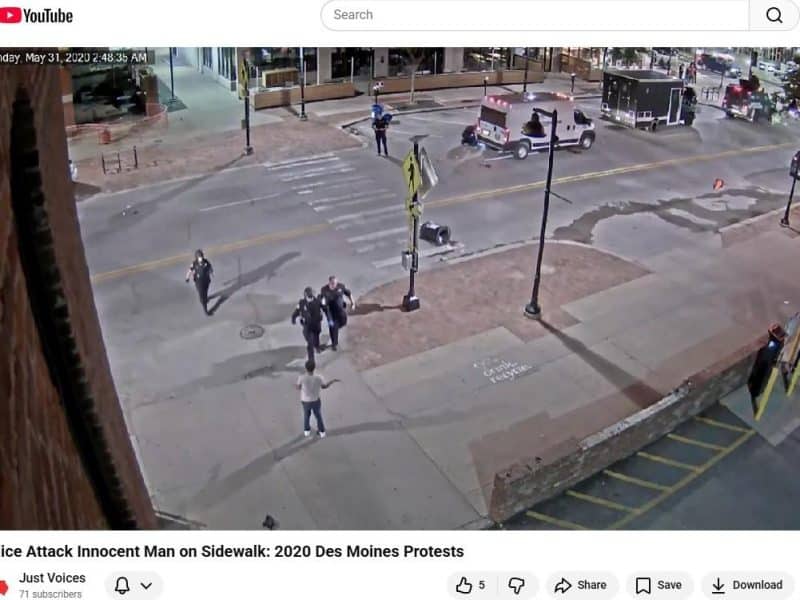
Profile of Des Moines police violence in aftermath of 2020 George Floyd protests
Officers caught on camera: Just Voices dives into video of Des Moines police officers assaulting a pedestrian on May 31, 2020 – a week after George Floyd’s murder.